











JHY PCB Blog Hub

Your Source for Expert PCB Design, Manufacturing, and Assembly Insights – Stay Informed with 2025 Trends!

What Is an Eyeglass Showcase Used For?

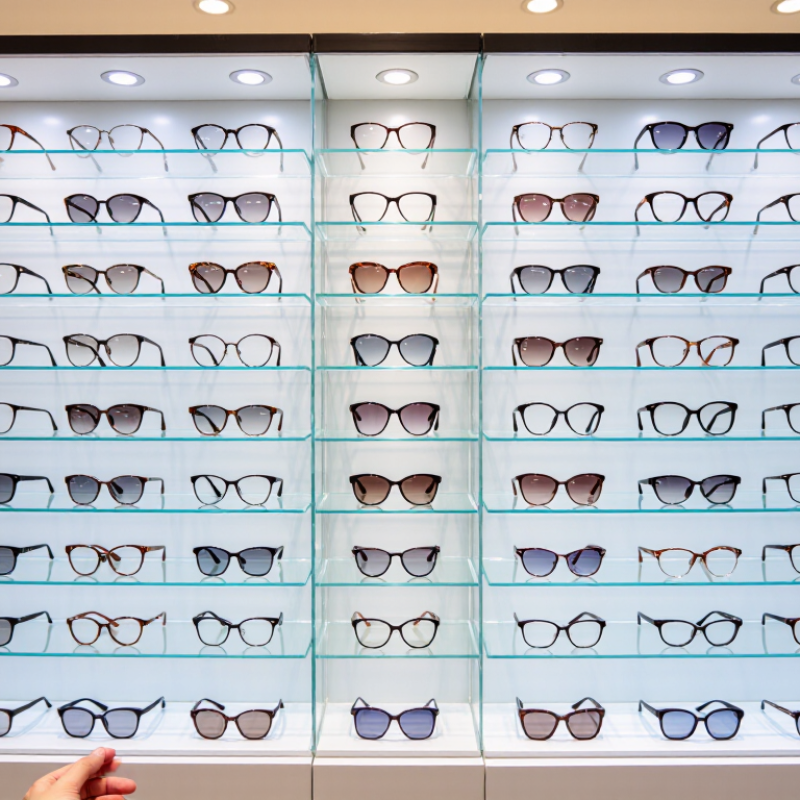
An Eyeglass Showcase does more than hold frames. It helps customers see, compare, and choose them with confidence. Behind clear glass, each pair can be arranged by shape, color, material, or price. A well-lit display reveals details that might otherwise disappear: the curve of a temple, the finish on a rim, or the subtle tint of a lens. Small details matter.

In a busy optical shop, the showcase also protects merchandise and keeps the sales floor orderly. Lockable cabinets can support secure storage, while open shelves make browsing feel easier. The right choice depends on the store’s layout, lighting, customer flow, and the kinds of frames on display. Glare, cramped spacing, or harsh lighting can make even quality eyewear look less appealing. A showcase is not a substitute for knowledgeable service, either. Customers may still need help understanding fit, comfort, and lens options.

A useful design principle is simple: make every frame easy to see and compare. No source article or verified expert quotation was provided, so I can’t responsibly attach that statement to a named industry expert. In a finished article, a sourced comment from an optical retail or display professional could add valuable perspective. For now, the practical question remains: what should an Eyeglass Showcase do for both the product and the person standing in front of it?
What Is an Eyeglass Showcase Used For?

What an Eyeglass Showcase Is

An eyeglass showcase is a display cabinet or stand designed to present glasses neatly and keep them easy to examine. It may have shelves, individual holders, or a glass cover. In an optical shop, it helps customers compare frame shapes, colors, and sizes without handling every pair at once. At home, a small tabletop version can keep frequently used glasses visible and reduce the chance of misplacing them. It is more than furniture. Good lighting and clear spacing make details easier to see, while a stable base helps prevent accidental falls.

Tips: Choose a showcase with enough room between frames, so temples do not snag. Wipe the glass and shelves with a soft, clean cloth. Bright lights can help, but strong reflections may make lenses and frame finishes harder to inspect.

The best design depends on the setting. A counter display needs quick access; a covered cabinet may be more suitable where dust is a concern. Materials also affect appearance: clear acrylic feels light, while wood can add warmth. Still, a showcase cannot fix poor lighting or clutter. Some displays look tidy from the front but become awkward to use when frames are packed too closely. That detail is easy to overlook.

How It Displays Eyeglasses

An eyeglass showcase organizes frames so shoppers can compare shape, color, and fit at a glance. Clear spacing matters: crowded temples overlap, while a little room lets each frame stand out. Place frames near eye level, with lenses angled toward the aisle to reduce reflections from overhead lights. A small mirror nearby makes trying on a frame easy. Keep price and lens details visible, but not louder than the frames.

The Vision Council’s 2023 Consumer inSights report found that about 76% of U.S. adults use some form of vision correction. That broad need makes an orderly range of frame styles useful, though the figure does not measure display effectiveness. POPAI’s 2012 Shopper Engagement Study reported that 76% of purchase decisions are made in-store. It is older research, and it was not specific to eyewear, but it supports making product comparisons easy at the point of choice. Good lighting helps. Yet bright spots can hide lens color or surface detail, so test the display from a shopper’s standing position. A showcase can look polished and still be awkward to use; sometimes the simplest improvement is moving one frame forward.

What Is an Eyeglass Showcase Used For? – How It Displays Eyeglasses

Showcase Type How It Displays Eyeglasses Typical Use Display Benefit Practical Consideration
Wall-mounted frame board Frames are arranged in rows on hooks, rails, or individual holders. Optical shops with wall space for browsing a broad selection. Keeps many frames visible and easy to compare at a glance. Frames should be spaced so customers can remove and replace them without knocking others.
Countertop stand A small number of frames sit upright on a compact stand or individual supports. Counters, consultation desks, or smaller retail spaces. Makes selected frames easy to notice while using little floor space. A stable base helps prevent the stand from tipping during browsing.
Glass display cabinet Frames are arranged on shelves behind glass doors or panels. Displays where added protection or controlled access is useful. Shows the collection while helping reduce handling, dust, and accidental contact. Glass reflections and fingerprints can affect visibility, so lighting and cleaning matter.
Rotating display stand Frames are held around a central stand that turns to reveal different sides. Retail areas where customers need access to several rows from one position. Makes a selection accessible without requiring a long display wall. The stand needs enough clearance to rotate freely and should remain stable when loaded.
Drawer or tray system Frames rest in divided trays that slide out from a cabinet or counter. Storage and organized browsing when visible wall or counter space is limited. Keeps frames grouped and protected when they are not being viewed. Dividers help prevent frames from rubbing against one another in storage.
Illuminated showcase Built-in lighting brightens frames displayed on shelves, panels, or stands. Areas where clear visibility is needed, especially in dimmer interiors. Helps customers see frame colors, shapes, and details more clearly. Lighting should be even and comfortable, without distracting glare or excessive heat.

An eyeglass showcase is a display or storage fixture designed to present frames for browsing, comparison, and selection. The right format depends on available space, the number of frames, visibility needs, and how much protection is desired.

How It Protects Frames and Lenses

An eyeglass showcase helps protect frames and lenses between fittings or during display. A closed cabinet limits dust, fingerprints, and casual handling. This matters because grit can leave fine scratches when lenses are wiped carelessly. Padded supports also keep frames from sliding or resting unevenly, which may strain hinges over time. Clear doors let staff inspect styles without touching every pair. A showcase is not a guarantee, though. Strong sunlight can fade some frame materials, and glass alone may not block all ultraviolet light.

Tips: Keep the case away from sunny windows, heaters, and damp areas. Use clean, soft supports, and leave enough room between frames. Wipe the inside with a lens-safe cloth; avoid spraying cleaner directly near displayed eyewear. Small habits help.

Protection depends on thoughtful storage, not just a polished cabinet. Check hinges and shelf edges for rough spots that could catch a frame. Keep frequently handled samples within easy reach, while storing delicate or less-used pairs behind a closed panel. A showcase can reduce everyday wear, but it cannot prevent damage from poor cleaning or accidental drops. That part is easy to overlook. The setup may need adjusting as the collection changes.

What Is an Eyeglass Showcase Used For?

A closed showcase helps protect eyeglass frames and lenses from everyday display-area exposure while keeping them visible.

The chart uses a qualitative scale: 1 means a typical closed showcase helps reduce that exposure; 0 means no enclosure-based reduction compared with an open shelf. This is not a laboratory measurement, and a showcase does not guarantee protection from damage.

Common Types of Eyeglass Showcases

Eyeglass showcases come in several forms, each suited to a different shop layout. Countertop cases keep selected frames close to customers and staff. They work well for featured styles or a small collection.

Easy to reach. However, crowded counters can make frames look cluttered, while overhead lights may reflect across the glass.

Wall-mounted showcases save floor space and keep frames visible at eye level. They can create a clean display, but customers may have less room to compare several pairs at once.

Freestanding cabinets offer more display area and can help define a section of the store. Some include shelves with adjustable heights, useful for frames of different shapes.

Rotating displays let customers browse many options in a compact footprint, though tight aisles can make them awkward to use. Lockable glass cases suit valuable or delicate frames, but staff access can slow browsing.

More capacity. Drawer-style showcases keep extra stock organized and protected from dust, while leaving fewer frames visible at a glance.

In practice, an attractive case is not always an easy one to shop. Clear labels, steady lighting, and enough space to handle frames can matter as much as the showcase type.

A layout may still need adjusting after customers start using it.

Key Features for Retail and Storage

An eyeglass showcase makes frames easier to inspect while keeping stock organized and protected from dust and frequent handling. The Vision Council’s 2023 Vision Needs Monitor reported that about 76% of U.S. adults use some form of vision correction. That broad need makes clear product presentation useful, though a cabinet alone cannot replace knowledgeable service. Visibility matters.

For retail, clear glass, adjustable shelves, and even, low-heat lighting help customers compare frame shapes and finishes. Keep labels readable and leave enough space between frames; crowded displays make details harder to see. A lockable door can limit casual handling, while a shallow drawer keeps backup stock close at hand.

For storage, padded trays and clean, dry interiors help reduce scratches and dust buildup. Avoid stacking frames loosely, especially where hinges can catch.

Small design choices matter. Anti-glare glass can improve viewing, but reflections may still appear under strong ceiling lights. Test the showcase from the customer’s eye level, not only from behind the counter. Wipe glass with a suitable soft cloth and check hinges and locks regularly. A display can still feel crowded. That is worth noticing before adding more stock.

Scroll to Top