What Is a Zipper Bag Packing Machine?
A Zipper Bag Packing Machine forms, fills, and seals pouches fitted with reclosable zipper tracks. It can handle premade bags or, in some configurations, form pouches from rollstock. Depending on the model, operators may set the fill weight, sealing temperature, and production speed. The result is familiar: a measured portion enters the pouch, the top seal closes, and the zipper remains available to the consumer.
The machinery serves a substantial packaging sector, but zipper-machine market figures should not be confused with broader packaging data. The Flexible Packaging Association’s 2023 State of the U.S. Flexible Packaging Industry report estimated U.S. flexible-packaging sales at $42.9 billion in 2022. That figure describes the sector, not zipper bag machines alone. PMMI’s packaging machinery research also provides useful context on equipment, automation, and investment trends; buyers should check each report’s date and scope before comparing figures.
A practical evaluation starts at the bag, not the brochure. Check zipper profile, pouch dimensions, film structure, target fill weight, and required output. Then test actual materials: a zipper that tracks poorly or a seal that wrinkles can slow production and create avoidable waste. One limitation matters here: no source articles or verifiable expert quotation were provided, so I cannot responsibly attribute a sentence to a named specialist. A published interview or report would be needed to quote an industry expert accurately. That caution is deliberate. Machine performance depends on the specific product, pouch, and line setup.
What a Zipper Bag Packing Machine Is
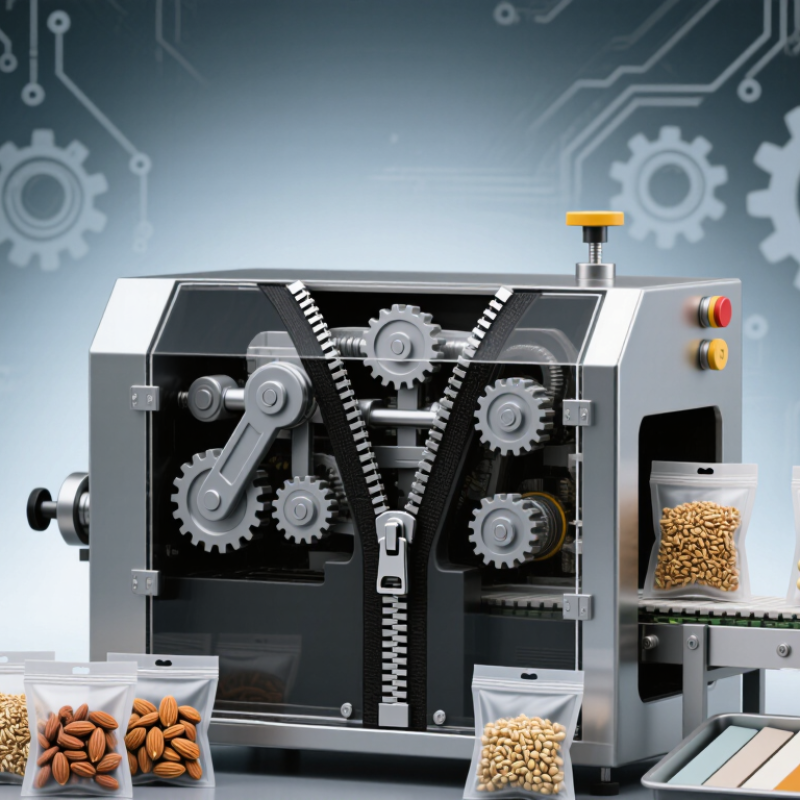
A zipper bag packing machine is equipment that fills and closes pre-made pouches fitted with a resealable zipper. Unlike systems that form bags from a roll of film, it handles bags that already have their shape and closure. The machine typically picks up a pouch, opens its mouth, dispenses a measured product, and seals the top edge. The zipper stays available for the customer to open later. Simple in concept.
Inside a typical line, grippers hold each pouch while suction cups or air pressure help separate its panels. A filling station may use a scale for dry foods or a pump for suitable liquids. The exact setup depends on the product: powder can cling to the zipper track, while larger pieces may need a wider opening. After filling, the machine may press the zipper closed before heat-sealing the area above it. Sensors can detect missing or poorly opened bags, though they do not replace routine checks.
Operators need to match pouch dimensions, zipper position, and material to the machine’s settings. A small change in film thickness can affect how a pouch opens or seals. On the floor, the first adjustment is not always the right one; test runs and seal inspections help identify problems. Cleaning access matters too, especially when product dust gathers around the filling area. A reliable setup is usually one that suits the actual bag and product, not simply the fastest advertised cycle.
Key Components and Their Functions
What Is a Zipper Bag Packing Machine?
Key Components and Their Functions
A zipper bag packing machine turns flexible film or premade pouches into filled, resealable packages. On a rollstock line, an unwinder feeds film through tension rollers, keeping the web steady. A zipper applicator aligns and attaches the closure; forming shoulders shape the film into a tube. The filling system doses product into each pouch, while sealing jaws close the top and cut finished bags. Sensors check registration and detect some feed or seal faults. The control panel lets operators adjust timing, temperature, and fill settings. Small changes matter: a few millimeters of zipper drift can leave a crooked closure.
The Flexible Packaging Association’s 2024 State of the U.S. Flexible Packaging Industry report estimated U.S. flexible-packaging sales at $42.9 billion in 2023. That scale makes dependable seals and repeatable filling important, but it does not guarantee performance on every product. Powder can cling to seal areas; chunky foods may slow filling. A real production trial is more useful than relying on a machine’s stated speed alone. Results depend on pouch material, product behavior, and operator setup.
Tips: Check zipper alignment and seal strength during setup, then repeat checks after material changes. Keep the seal area clean. It sounds simple, but it is easy to overlook. Record rejects and stoppages by cause; those notes can reveal whether the issue is film tension, dosing, or temperature.
How a Zipper Bag Packing Machine Works
What Is a Zipper Bag Packing Machine?
How a Zipper Bag Packing Machine Works
A zipper bag packing machine fills pre-made pouches fitted with reclosable zippers. It moves each pouch through a series of stations, with timing and alignment controlled by sensors and mechanical guides. The operator loads empty bags into a magazine and product into a hopper. Small details matter: a curled pouch can affect how reliably it opens.
At the pickup station, suction cups lift one pouch from the stack. Grippers hold its edges while air or mechanical fingers separate the front and back panels. Some machines open the zipper before opening the pouch mouth. A sensor checks that the bag is open, then the filling system drops a measured amount of product inside. The zipper itself does not usually close the package during this step.
After filling, the machine brings the pouch to a heat-sealing station. Heated jaws seal the film above the zipper, closing the package while leaving the zipper available for later use. A cooling area may help the seal set before finished bags are discharged. Operators check fill levels, seal appearance, and zipper alignment during production. Real lines are less tidy. Dust, uneven products, or bags with inconsistent dimensions may require slower speeds or adjustments, so settings should be verified with the actual pouch and product.
Common Machine Types and Configurations
A zipper bag packing machine fills and seals pouches with interlocking closures. Common configurations differ in how they handle bags, products, and production speed. Premade-pouch machines pick up finished bags, open them, fill them, and seal the top. Rotary models use several stations around a turntable, while intermittent-motion models pause at each operation. They suit products such as snacks, powders, or small hardware, provided the filling system matches the product.
For higher volumes, horizontal form-fill-seal machines make pouches from film, add a zipper, and fill the bags in a continuous line. Vertical systems can also form bags from rollstock, though zipper application may require an added module. A zipper-opening device helps keep the closure clear during filling. Small details matter: dusty powder can foul the tracks, and bulky pieces may catch at the opening. These problems are easy to underestimate.
Filling options include multihead weighers for discrete pieces, auger fillers for powders, and pumps for liquids. The right choice depends on product flow, target weight, pouch size, and changeover frequency. PMMI’s 2023 State of the Industry report put U.S. packaging machinery shipments at about $10.9 billion in 2022, reflecting a substantial equipment sector—not a guarantee that any one configuration will fit. Ask suppliers to test actual product and pouch samples, then check seal consistency and zipper function at operating speed. A tidy factory test can still miss real-world variation.
Common Zipper Bag Packing Machine Types
Indicative operating-speed ranges for common configurations (bags per minute)
Premade-pouch machines fill and seal bags that are already formed, while vertical form-fill-seal (VFFS) machines form bags from rollstock. Actual speeds vary with bag size, product, filling system, and zipper handling.
Applications and Key Selection Factors
What Is a Zipper Bag Packing Machine?
Applications and Key Selection Factors
A zipper bag packing machine opens pre-made bags, fills them with product, and seals them. The zipper lets customers close the package again. These machines are used for dry foods, pet treats, powders, small hardware, and personal-care products. A snack line may need gentle handling to protect fragile pieces. A hardware line may need accurate counting instead. One machine may not suit both.
Start with the product and bag. Check the bag’s width, height, zipper position, and material, then confirm the machine can handle them consistently. Powder can escape into the zipper area, while oily products may affect sealing. Small details matter. Ask how quickly operators can change bag sizes and clean product-contact parts. Also consider filling accuracy, target output, available floor space, and whether the machine can connect with existing scales or conveyors.
A quoted speed can look impressive, but it may assume an easy-to-handle product and steady bag supply. Request a trial using your actual product and bags. Watch for missed zippers, uneven fills, and seal defects. A slower line that runs reliably may be more useful than a fast one that needs frequent adjustment. There is a trade-off. Real production conditions are rarely as tidy as a demonstration.