




JHY PCB Blog Hub

Your Source for Expert PCB Design, Manufacturing, and Assembly Insights – Stay Informed with 2025 Trends!

What Are the Top Emergency Lights from China?

Choosing the right Emergency Lights from China requires more than comparing prices, brightness, or delivery speed. A dependable product must guide people through smoke, darkness, power failure, and genuine confusion.

Dr. John E. Bullough, a respected lighting researcher and director at the Lighting Research Center, has said, “Lighting should help people see clearly and act safely.” That principle matters when evaluating Chinese emergency-lighting manufacturers. A bright lamp alone proves very little. The battery must hold its charge. The enclosure should resist dust and moisture. The test button should respond immediately, even after months of inactivity.

This guide examines leading Emergency Lights made in China, including exit signs, recessed units, twin-spot lamps, and portable rechargeable models. It considers beam performance, battery chemistry, charging time, operating duration, thermal control, and replacement-part access. Factory quality systems also deserve attention. Certifications can help, but buyers should verify the issuing body and test scope.

Details matter.

For example, a warehouse light may need a wider beam than a hotel corridor model. A coastal installation may require stronger corrosion protection. A compact unit can look elegant, yet provide limited coverage during a real evacuation.

The assessment is not perfect. Product specifications can change, and published performance may depend on testing conditions. Samples should be inspected and tested before large orders. Installation environments also vary more than catalog photographs suggest.

The strongest Chinese suppliers usually combine consistent assembly, transparent documentation, responsive support, and practical customization. This article compares those qualities carefully, helping distributors, facility managers, and contractors identify Emergency Lights that perform beyond the showroom.
What Are the Top Emergency Lights from China?

What Are Emergency Lights and How Are They Used?

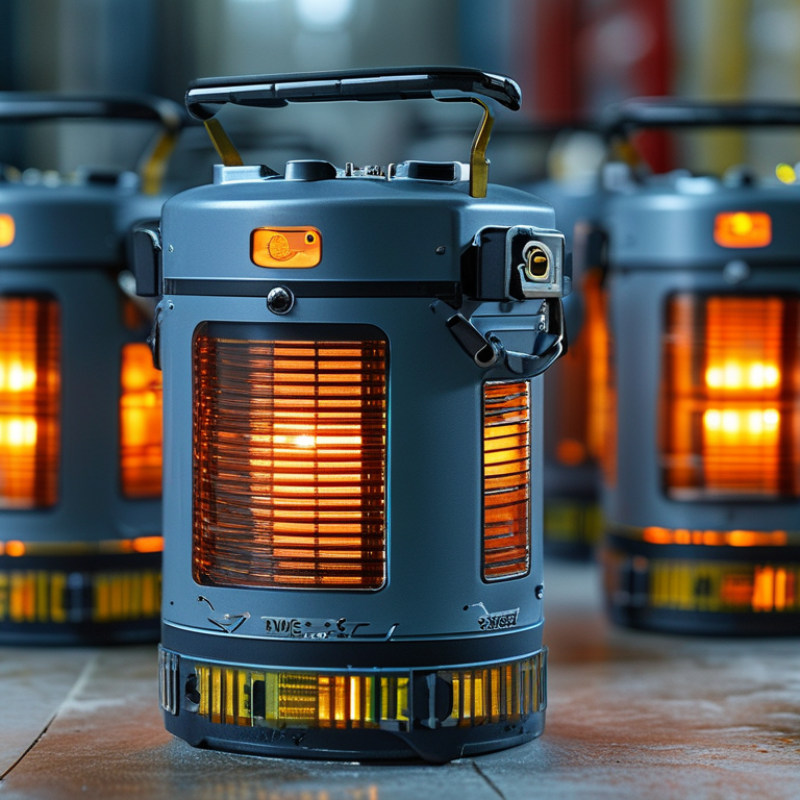
Emergency lights are battery-powered fixtures that provide illumination when normal electricity fails. They commonly include emergency luminaires, exit signs, and portable lanterns. During a blackout, an internal battery activates automatically, lighting escape routes, stairwells, corridors, and doorways. Some models remain lit continuously, while others switch on only during power loss.

Their purpose is practical, not decorative. A suitable light should reveal floor edges, steps, obstacles, and exit directions without creating harsh glare. In a warehouse, for example, fittings may be installed above aisles and near emergency doors. In an apartment building, wall-mounted units can guide residents through a dark stairwell. Battery duration, charging time, brightness, and beam coverage all affect performance. Placement matters just as much.

When evaluating emergency lights from China, buyers should examine test records, electrical ratings, battery quality, and compatibility with local safety requirements. Factory inspection and sample testing can expose loose terminals, weak housings, or inaccurate runtime claims. A light may appear bright in a showroom but perform poorly after repeated charging cycles. That detail is easy to miss. Regular functional tests, battery replacement schedules, and clear maintenance records improve reliability. Even experienced installers should review the site layout again, because a technically compliant fixture can still leave a shadowed corner or poorly visible exit.

What Are the Top Emergency Lights from China?

What Are Emergency Lights and How Are They Used?

Emergency lights are battery-powered luminaires that automatically provide illumination when normal power fails. They are commonly used along evacuation routes, in stairways, crowded public areas, and refuge spaces to support safe movement during fires, blackouts, and other emergencies.

The chart presents commonly specified minimum emergency-illumination levels referenced in China's GB 51309-2018 fire emergency lighting and evacuation indication design standard: 1 lux for evacuation corridors, 3 lux for densely occupied areas, 5 lux for stairways, and 10 lux for refuge areas. Actual projects should be checked against the latest applicable regulations and site conditions.

Which Types of Emergency Lights Are Made in China?

China produces a wide range of emergency lights, not one standard product. Common types include self-contained exit signs, LED bulkhead lights, recessed downlights, twin-spot units, and portable rechargeable lamps. Factories also manufacture central-battery systems for hospitals, warehouses, transport facilities, and commercial buildings. Some models use lithium batteries, while others use nickel-metal hydride or traditional sealed lead-acid batteries.

Industry reports show why this variety matters. Allied Market Research estimated the global emergency lighting market at about USD 5.7 billion in 2021, with continued growth expected through 2031. The report links demand to stricter building safety practices and expanding construction activity. China’s manufacturing base supports high-volume production, flexible housing designs, and rapid LED integration. During supplier evaluations, buyers should inspect battery duration, charging temperature, photometric test results, and enclosure quality. A bright lamp is not automatically a dependable lamp.

China-made emergency lights also include explosion-resistant industrial fixtures, solar-powered outdoor units, and remote-head systems. These products serve factories, parking areas, stairwells, and temporary work zones. IEC 60598-2-22 remains an important technical reference for emergency luminaires, although local approval requirements still differ by market. Product documents should show test methods, rated autonomy, ingress protection, and replacement-battery information. Details can be uneven. That is where careful sampling, factory audits, and independent testing become necessary. Some suppliers provide attractive samples but weaker production consistency. Cost savings may disappear after installation problems.

What Are the Top Emergency Lights from China? - Which Types of Emergency Lights Are Made in China?

Emergency Light Type Typical LED Power Typical Emergency Duration Common Battery Type Typical Mounting or Use Typical Protection Level Common Applications
Rechargeable Emergency Bulb 5–15 W 2–4 hours Rechargeable lithium-ion or nickel-metal hydride E27 or bayonet lamp holder; portable household use Usually IP20 Homes, apartments, small offices, and temporary power outages
LED Exit Sign 1–5 W 2–3 hours Rechargeable nickel-cadmium, nickel-metal hydride, or lithium-ion Wall, ceiling, or suspended installation Commonly IP20–IP40 Corridors, stairways, public buildings, factories, and commercial facilities
Emergency Bulkhead Light 3–12 W 1.5–3 hours Rechargeable lithium-ion, nickel-cadmium, or nickel-metal hydride Surface-mounted wall or ceiling fixture Typically IP44–IP65 Warehouses, car parks, corridors, workshops, and outdoor-covered areas
Twin-Spot Emergency Light 2 × 3 W to 2 × 10 W 1.5–3 hours Rechargeable lead-acid, nickel-cadmium, or lithium-ion Adjustable twin heads mounted on a wall or ceiling Usually IP20–IP65 Large rooms, factories, warehouses, loading areas, and evacuation routes
Portable Emergency Lantern 3–20 W 3–12 hours, depending on brightness Rechargeable lithium-ion or lead-acid Handheld, freestanding, or hanging Often IP20–IP54 Households, camping, emergency response, maintenance, and outdoor activities
Solar Emergency Light 3–20 W 4–12 hours after sufficient charging Rechargeable lithium-ion or lithium iron phosphate Wall-mounted, portable, or integrated solar-panel design Commonly IP44–IP65 Outdoor paths, rural locations, gardens, temporary work areas, and disaster preparedness
Emergency Floodlight 10–100 W 1–3 hours Rechargeable lithium-ion, lithium iron phosphate, or lead-acid Portable tripod, bracket, or surface-mounted fixture Typically IP54–IP66 Construction sites, road works, rescue operations, warehouses, and outdoor events
Recessed Emergency Downlight 3–10 W 1.5–3 hours Rechargeable lithium-ion, nickel-cadmium, or nickel-metal hydride Recessed ceiling installation Usually IP20–IP44 Hotels, offices, retail stores, hospitals, schools, and modern commercial interiors
Explosion-Protected Emergency Light 5–30 W 1.5–3 hours Rechargeable lithium-ion or nickel-cadmium Wall, ceiling, or pendant mounting with sealed housing Often IP65–IP66; hazardous-area rating varies by model Petrochemical facilities, chemical plants, workshops, mines, and industrial sites
Central-Battery Emergency Luminaire 3–20 W Determined by the central battery system External centralized battery system Ceiling or wall installation with wired emergency supply Usually IP20–IP44 Large offices, hospitals, shopping centers, airports, and high-occupancy buildings

The specifications shown are typical ranges for emergency-light categories commonly manufactured in China. Actual performance depends on the model, battery capacity, LED efficiency, operating temperature, installation method, and applicable safety requirements. Product selection should be checked against relevant local regulations and standards, such as emergency-lighting, photometric, electrical-safety, and ingress-protection requirements.

What Features Define the Top Chinese Emergency Lights?

The top emergency lights from China are defined by practical performance, not bright packaging. A reliable model should produce a steady beam during power failures, stairwell use, and outdoor checks. Look for high-efficiency LEDs with adjustable brightness. A wide beam helps indoors, while a focused beam reaches across a yard or warehouse.

Battery quality matters just as much. Lithium-ion cells can offer strong capacity, but the protection circuit needs careful inspection. Useful features include overcharge protection, low-battery alerts, and a clear charging indicator. A runtime test is essential because printed figures may reflect the lowest brightness setting. In my experience, real performance often falls short in cold conditions. That deserves attention.

Durable Chinese emergency lights usually combine impact-resistant housing with sealed switches and an IP-rated design. IP ratings help, but they do not replace practical testing. Check whether the charging port has a secure cover and whether the handle feels stable with wet hands. Red flashing modes, magnetic bases, and power-bank functions can improve versatility. However, extra features may increase failure points. Independent safety reports, battery specifications, warranty terms, and traceable factory quality checks make evaluation more reliable. Clear instructions matter too. A light is only useful when people can operate it quickly under stress.

Which Safety Standards Should Chinese Emergency Lights Meet?

What Are the Top Emergency Lights from China?

Chinese emergency lights should meet the safety rules of their target market. For domestic use, buyers commonly check GB 17945 for fire emergency lighting and evacuation indication systems. GB/T 51309 also supports emergency lighting design in buildings. These standards address illumination, automatic switching, battery operation, testing, and fault indications. A compliant product should show clear marking, traceable test records, and rated operating time.

For export projects, IEC 60598-2-22 is a key reference for emergency luminaires. Products may also need electromagnetic compatibility testing under relevant IEC or EN requirements. The European market usually requires applicable CE conformity, RoHS compliance, and verified technical files. North American projects may request UL 924 certification. Local building and fire codes still control installation. A certificate alone is not enough.

Check the battery carefully. It should maintain the required duration after charging and repeated discharge cycles. Measure illumination at floor level, not only near the lamp. Inspect charging indicators, test switches, wiring terminals, and enclosure protection. IP ratings matter in dusty or damp areas. Some suppliers provide excellent samples but weaker production batches. That risk is easy to overlook. Independent inspection helps compare random units with the approved sample. I would also review ageing-test records, because short demonstrations can hide battery decline. Standards change, and project specifications can conflict with older certificates. Confirm the latest edition before ordering.

How Can Buyers Choose a Reliable Chinese Emergency Light Supplier?

China offers several practical emergency light formats, including self-contained LED units, exit signs, twin-spot lamps, and central-battery systems. The best choice depends on evacuation distance, ceiling height, battery access, and local fire requirements. The IEA’s Energy Efficiency 2023 report notes that LED lighting can use at least 75% less energy than incandescent lighting. That advantage matters during long standby periods.

Reliable sourcing starts with evidence, not attractive catalogs. Ask for test reports covering IEC 60598-2-22, EN 1838, electromagnetic compatibility, battery capacity, and emergency duration. Request samples from the same production line. Check the charging time, discharge result, light distribution, and performance after repeated cycles. A supplier should provide serial-number traceability, material records, and a clear replacement-battery policy. ISO 9001 certification helps, but it does not prove every shipment is consistent.

Factory verification still needs practical judgment. Review production records, aging-test areas, incoming inspection, and failure rates. Confirm whether the stated two- or three-hour runtime applies at the required temperature and load. The U.S. Department of Energy reports that quality LED products can last up to 25 times longer than incandescent lamps, yet poor batteries can shorten the real service life sharply. A polished factory video proves little. No audit is perfect. Buyers should keep an independent sample test before approving mass production.

Scroll to Top