










JHY PCB Blog Hub
Your Source for Expert PCB Design, Manufacturing, and Assembly Insights – Stay Informed with 2025 Trends!
Top 10 Tips for PCB Board Fabrication What Buyers Need to Know
Pcb Board Fabrication is a critical process in the electronics industry. It transforms complex designs into functional circuits. According to a 2023 report by Market Research Future, the PCB market is expected to reach $90 billion by 2026. This growth emphasizes the importance of high-quality fabrication standards.
However, many buyers overlook essential details in the PCB fabrication process. Knowledge gaps can lead to delays and increased costs. A 2022 survey found that 45% of companies experienced production issues due to poor material selection. Understanding the nuances of PCB fabrication is crucial for achieving reliability and performance in electronic devices.
Buyers need to navigate various factors such as materials, design specifications, and lead times. Each decision impacts the final product's quality and efficiency. By focusing on informed decisions, stakeholders can enhance their project outcomes and avoid common pitfalls. Embracing best practices in PCB Board Fabrication ensures a successful partnership between buyers and manufacturers.
Understanding PCB Fabrication: Key Terminology and Concepts
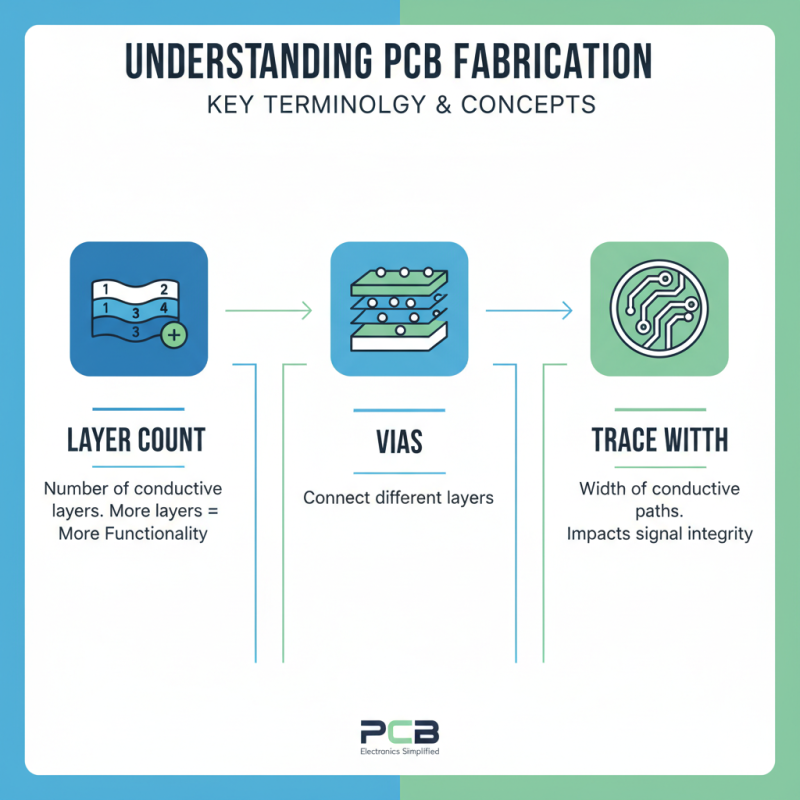
Understanding PCB fabrication is essential for anyone involved in electronics. Key terminologies help bridge the gap between complex processes and user comprehension. Terms like "layer count," "vias," and "trace width" form the foundation of this industry. Layer count refers to the number of conductive layers in a board. More layers can offer more functionality but complicate manufacturing.
When looking into PCB fabrication, it's crucial to know the common pitfalls. Buyers should ensure they understand the specifications fully before placing an order. Small mistakes in the design can lead to costly reworks. Here’s a tip: always double-check your Gerber files. These files provide the blueprint for your boards. A simple error might slip through, impacting functionality.
Another valuable tip is to consider material types carefully. Different materials can significantly affect the board's performance and durability. For example, FR-4 is a popular choice, but other options may suit specific needs better. Research the properties of materials before making a decision. Understand that too much complexity in design can lead to manufacturing challenges. Simpler designs are often more reliable in function.
Essential Design Considerations for Successful PCB Manufacturing
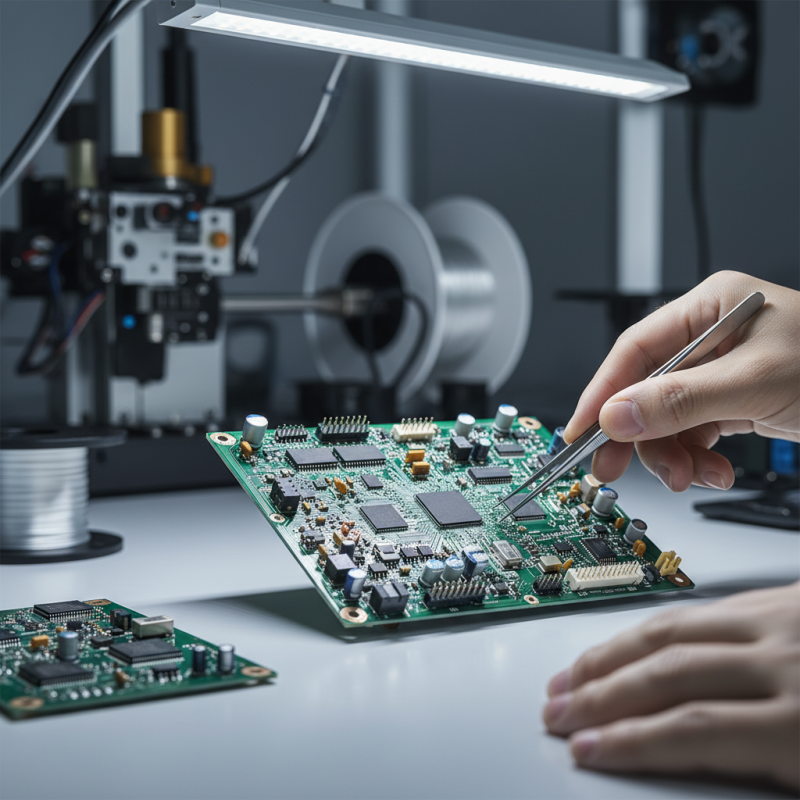
When embarking on PCB manufacturing, understanding essential design considerations is crucial. Materials play a significant role. Choose the right substrate, as it directly affects performance. Common choices include FR-4 and Rogers. Each material offers unique advantages and limitations. Designers must also consider layer stack-up. This can impact signal integrity and thermal management.
Another critical aspect is trace width. It influences current-carrying capacity. Design files should be precise. Mistakes in trace width can lead to failures. Experts often recommend ruling out overly complex layouts. Simplicity can enhance manufacturability. Designers should also keep component placement in mind. Appropriate spacing reduces assembly issues.
Thermal performance is often overlooked. Ensure adequate heat dissipation techniques are integrated. Failing to address thermal issues can lead to product failures. Lastly, design for testability is vital. A well-thought-out PCB design can save costs during troubleshooting. Balance between innovation and practical design is essential. Without careful planning, even experienced designers may face unexpected challenges. Adhering to these considerations can significantly improve PCB outcomes.
Choosing the Right Materials for PCB Fabrication
Choosing the right materials for PCB fabrication is crucial.
The process directly influences the performance and longevity of the final product.
Different applications require different materials. For instance, high-frequency circuits
often need specific laminates to minimize signal loss. Understanding these needs helps in selecting materials effectively.
Besides the technical aspects, budget considerations weigh heavily on material choice.
Some high-performance substrates can be costly.
Balancing quality and price is often a challenge for buyers.
PCB manufacturers may offer various options, but their expertise can vary widely. It is vital to ask questions.
Requesting samples can also help assess potential materials.
Make sure to research material properties before making decisions.
Transparency in material sourcing builds trust with suppliers.
Don't hesitate to seek recommendations from experienced engineers. Their insights can prove invaluable.
Developing a list of essential criteria provides clarity.
This way, you can navigate the complexities of material selection more effectively.
Quality Control Measures in PCB Production
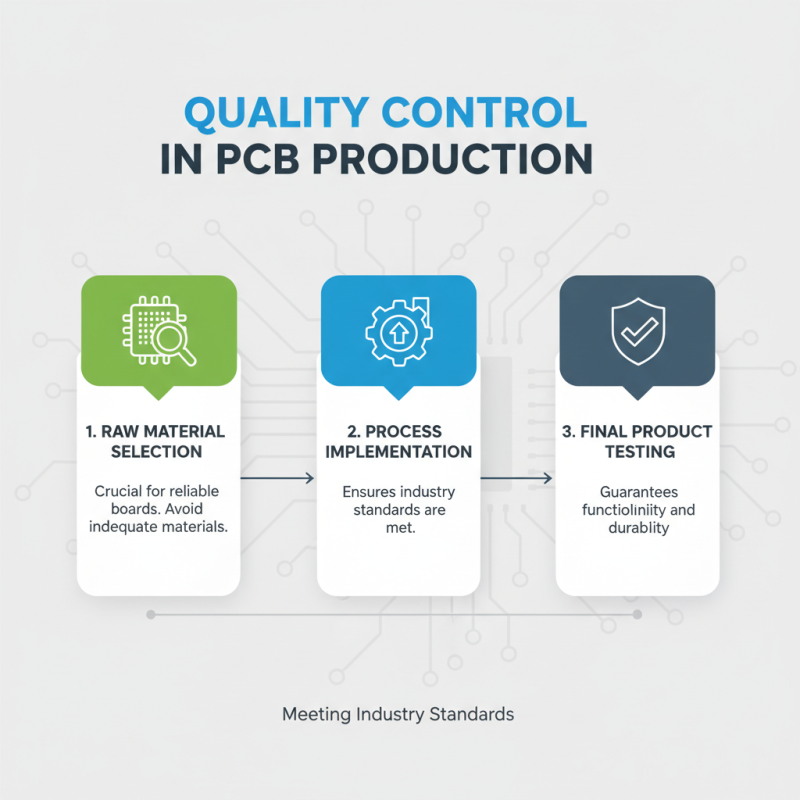
When it comes to PCB production, quality control is crucial. Implementing effective measures ensures that the final product meets industry standards. A reliable approach starts with selecting quality raw materials. This step cannot be overlooked. Inadequate materials lead to unreliable boards.
Regular inspections during the fabrication process are equally important. Visual checks, for instance, can identify issues before they escalate. Buyers should also inquire about test results. Insistence on certified documentation can prevent unforeseen problems.
Another vital tip involves supplier communication. Building a strong relationship with your manufacturer fosters transparency. Discuss production methods and expectations clearly. Small miscommunications can lead to major setbacks. Remember, the true measure of quality lies in the details. Always be prepared to address any inconsistencies. Quality is never an accident; it’s the result of intelligent effort.
Cost Factors and Budgeting for PCB Projects
When budgeting for PCB projects, understanding cost factors is crucial. According to industry reports, manufacturing costs can range from $5 to $10 per square inch for standard boards. More complex designs can push this figure up to $20 or even $30 per square inch. These variations occur due to factors such as layer count, hole sizes, and copper weight, which all influence the final price.
Material selection plays a significant role in cost management. For instance, high-frequency materials can increase costs substantially. A study from IPC indicates that using standard FR-4 materials can reduce costs by up to 40%. However, opting for lower-quality materials may lead to performance issues down the line, highlighting the need for careful decision-making.
Lead times also affect budgets. Rush orders can incur additional charges. Data suggests that lead times can range from two weeks for standard boards to six weeks for advanced options. Buyers often underestimate these timelines. Misaligned expectations can strain budgets and project schedules. Therefore, it’s essential to assess all factors early in the procurement process.
Top 10 Tips for PCB Board Fabrication
| Tip Number | Tip | Cost Factor | Budgeting Consideration |
|---|---|---|---|
| 1 | Choose the Right Material | Material type affects cost | Plan for material costs early |
| 2 | Design for Manufacturability | Complex designs increase cost | Simplify design where possible |
| 3 | Optimize Layer Count | More layers mean higher cost | Stick to necessary layers |
| 4 | Select Efficient Fabrication Processes | Process choice influences pricing | Evaluate processes carefully |
| 5 | Plan for Testing and Quality Assurance | Testing can add to total cost | Include testing in budget |
| 6 | Communicate Clearly with Your Manufacturer | Miscommunication can add costs | Simplify communication processes |
| 7 | Consider Volume Discounts | Larger orders reduce costs | Plan for larger batch sizes if possible |
| 8 | Use Prototypes Wisely | Prototypes can increase expenses | Budget for prototyping appropriately |
| 9 | Keep Abreast of New Technologies | Emerging tech may impact costs | Stay informed on industry trends |
| 10 | Assess Total Cost of Ownership | Consider all long-term costs | Include operational costs in budget |
Related Posts
-
Global Procurement of Top-Tier PCB Prototype Boards: China's Manufacturing Excellence Unleashed
-
Essential Checklist for Choosing the Best Pcb Printed Circuit Board for Your Project
-

Innovative Approaches for Optimal Pcb Board Fabrication Success
-

Navigating the 2025 Tech Landscape: Key Strategies for Sourcing the Best PCB Circuit Boards Globally
-

The Future of High-Quality PCB Boards: Innovations that Shape Electronics Manufacturing
-

Future of Printed Circuit Boards: Innovations and Market Trends Shaping 2025 Top+ Digital Landscape