2026 Top Types of Thumb Screw Bolts for Global Buyers
Choosing the right Thumb Screw Bolts can affect assembly speed, product reliability, and long-term maintenance costs. Global buyers often compare knurled, wing, shoulder, captive, and plastic-head designs. Each type serves a different operating condition.
A knurled head supports quick tightening with fingertips, especially inside compact equipment panels. Wing-head models offer stronger manual grip when gloves are required. Shoulder designs help maintain a controlled position during repeated adjustments. Captive options reduce the risk of losing fasteners during servicing. Plastic or nylon heads can protect painted surfaces and reduce electrical conductivity. Small details matter.
Material selection deserves equal attention. Stainless steel suits humid environments, while zinc-plated steel may provide an economical choice for indoor equipment. Brass can support electrical applications, but its lower strength requires careful load assessment. Buyers should verify thread size, pitch, head diameter, shaft length, and torque expectations. Metric and imperial threads are not interchangeable. This mistake still occurs.
Reliable sourcing requires more than attractive product photos. Ask for dimensional drawings, material certificates, surface-finish details, and inspection records. Confirm whether the stated load refers to tightening force, axial load, or actual service performance. Supplier experience with export packaging and batch consistency also matters. A bolt that looks identical may perform differently under vibration, heat, or repeated cleaning. No single design wins every application. Practical testing remains valuable, particularly when production volumes are high. This guide examines the leading Thumb Screw Bolts types for 2026 and explains how buyers can match each option with equipment needs, installation methods, environmental conditions, and dependable supply requirements.
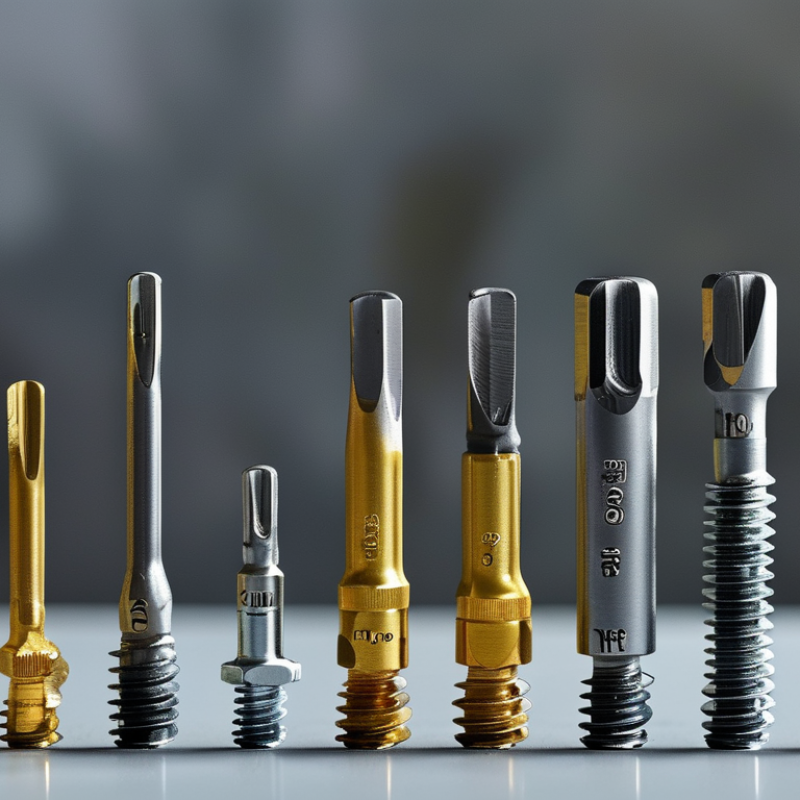
What Thumb Screw Bolts Are and How They Work
Thumb screw bolts are fasteners designed for tool-free adjustment. Their enlarged heads give fingers enough grip to tighten or loosen a joint. Common forms include knurled, winged, lobed, and shoulder designs. The threaded shank enters a tapped hole or nut, while rotation creates axial clamping force. A 2024 Grand View Research report estimated the global fasteners market at about USD 90 billion in 2023, showing why small components deserve careful selection. Volume does not replace fit.
In practical assembly, I match the thread diameter, pitch, length, and head clearance first. A coarse thread usually assembles quickly, while a fine thread offers more adjustment control. Stainless steel suits humid equipment, but its strength and galling behavior need attention. Engineering guidance based on ISO 898-1 also reminds buyers that material class affects tensile and proof strength. Thumb screws are not automatically low-load parts. Hand force varies widely, and dirty threads can produce misleading resistance. That shortcut is tempting, but not always wise.
The 2023 U.S. Department of Energy industrial efficiency data shows manufacturing remains a major energy user, so tool-free maintenance can reduce small service delays. I check the mating material, vibration exposure, and expected removal frequency. For repeated access, a captive or shoulder thumb screw may prevent lost hardware. For structural joints, I would not substitute hand-tightening without a defined torque requirement. A better specification states thread standard, material, finish, dimensions, and operating limits. I still recheck those details before purchase.
Top Thumb Screw Bolt Types for Global Buyers in 2026
Global buyers need more than a familiar shape when selecting thumb screw bolts in 2026. Fortune Business Insights valued the global fasteners market at USD 90.89 billion in 2023. The report projects growth to USD 132.42 billion by 2032. Machinery, electronics, and transport manufacturing support this demand. Thumb screws remain a smaller niche, but their tool-free operation suits frequent access panels. Fit matters.
Knurled-head thumb screws suit metal panels requiring repeated hand tightening. Wing-head designs provide better grip when operators wear gloves. Flat-head and round-head types serve different clearance and appearance needs. Shoulder thumb screws offer controlled seating for covers and fixtures. Captive designs help prevent loose parts during maintenance. Metal versions handle heat and torque better. Polymer versions reduce weight and surface damage. Not always.
In practical assembly work, head diameter and grip length often cause avoidable delays. A 2024 Grand View Research analysis also identifies machinery and industrial equipment as important fastener applications. Buyers should check thread standard, pitch, material, coating, and corrosion resistance. Metric threads simplify many international orders, yet drawings may specify another system. Request dimensional inspection records and material certificates. Test hand torque on the actual panel, not only on a sample bolt. That is safer. My own caution is simple: a cheaper screw can create slower maintenance, especially when gloves, vibration, or repeated access change the real working conditions.
Materials, Head Styles, Drives, and Thread Options
2026 Top Types of Thumb Screw Bolts for Global Buyers
Materials, head styles, drives, and thread options now shape thumb screw selection. Stainless steel suits humid equipment, outdoor enclosures, and frequent cleaning. Carbon steel offers strength and lower cost, but it needs protective coating. Brass resists corrosion and supports electrical applications. Nylon is lightweight and electrically insulating, though it handles less torque. I have seen buyers choose by price first, then replace weak fasteners later.
Head geometry affects grip and access. Knurled heads work well with bare fingers and limited clearance. Wing heads provide stronger hand leverage during repeated adjustments. Low-profile heads fit compact panels but can feel slippery. Some applications need a socket or slotted head for controlled tightening. The most convenient design is not always the safest one.
Drive options include slotted, Phillips-style, hex socket, and star-shaped recesses. A drive helps when fingers cannot generate enough clamping force. Thread selection must match the mating hole precisely. Metric and Unified inch threads are not interchangeable. Coarse threads install quickly and tolerate minor contamination. Fine threads offer better adjustment and holding strength. Confirm diameter, pitch, length, and tolerance with a sample. Thread gauges prevent expensive assumptions. I still recommend testing actual assembly conditions, because drawings can hide awkward access, coating thickness, or hand fatigue.
Global Sourcing, Standards, and Quality Inspection Factors
2026 Top Types of Thumb Screw Bolts for Global Buyers
Global sourcing starts with a clear application, not a product photo. Thumb screw bolts may use knurled heads, wing heads, shoulder designs, or captive forms. Each type supports different tightening space and access needs. Buyers should provide thread size, length, head diameter, material, finish, and operating temperature. Metric and inch threads can look similar. They are not interchangeable.
Standards help control risk across suppliers. Carbon steel fasteners may require mechanical testing aligned with ISO 898-1. Stainless steel versions can follow relevant ISO 3506 requirements. Drawings should also state thread tolerance, surface treatment, and allowable burrs. For international shipments, check chemical restrictions and documentation rules in the destination market. A supplier’s certificate is useful, but it is not proof by itself.
Quality inspection should combine records with physical checks. Inspectors can verify dimensions using calibrated gauges and check threads with go/no-go gauges. Measure head torque, clamping performance, coating thickness, and visible defects. For stainless parts, review material certificates and test corrosion resistance when the application demands it. Sampling plans should be agreed before production. A polished sample may hide unstable mass production. One inspection can also miss process drift. Rechecking critical dimensions during production is worth the extra time. Mistakes still happen, especially when drawings lack datum points or use unclear tolerances. Clear communication remains a practical quality control tool.
2026 Top Types of Thumb Screw Bolts for Global Buyers
Global sourcing decisions should consider thread compatibility, dimensional control, material verification, surface finish, and functional testing. The chart shows standard ISO metric coarse-thread pitches commonly used when specifying thumb screw bolts.
Reference basis: ISO metric coarse-thread pitch values aligned with ISO 261 and ISO 262. Actual acceptance criteria should also include thread gauges, major diameter checks, head dimensions, torque or clamp-force testing, coating inspection, and material documentation.