Top Screen Printing Materials in China for Global Buyers?
The screen printing industry in China has experienced remarkable growth in recent years, drawing global buyers to its diverse materials. According to industry insights, the market for screen printing materials is projected to reach $3.5 billion by 2025, reflecting a surge in demand driven by innovations and expanding applications. Experts like Dr. Liu Chen, a renowned authority in the field, emphasize, "Quality screen printing materials are crucial for achieving optimal print results and ensuring customer satisfaction."
Chinese suppliers are known for offering a wide range of materials, from inks to substrates, catering to various business needs. In a market that demands both efficiency and quality, choosing the right materials can make a significant difference. Yet, despite the abundance of options, inconsistencies in quality remain a challenge. Buyers must navigate these complexities carefully.
Understanding the landscape of screen printing materials in China involves recognizing both the strengths and weaknesses of various suppliers. Adapting to market trends and technological advancements will be vital in maintaining competitiveness. As the demand for high-quality screen printing outputs rises, so does the need for informed decision-making regarding material selection.
Overview of Screen Printing Materials Used in China
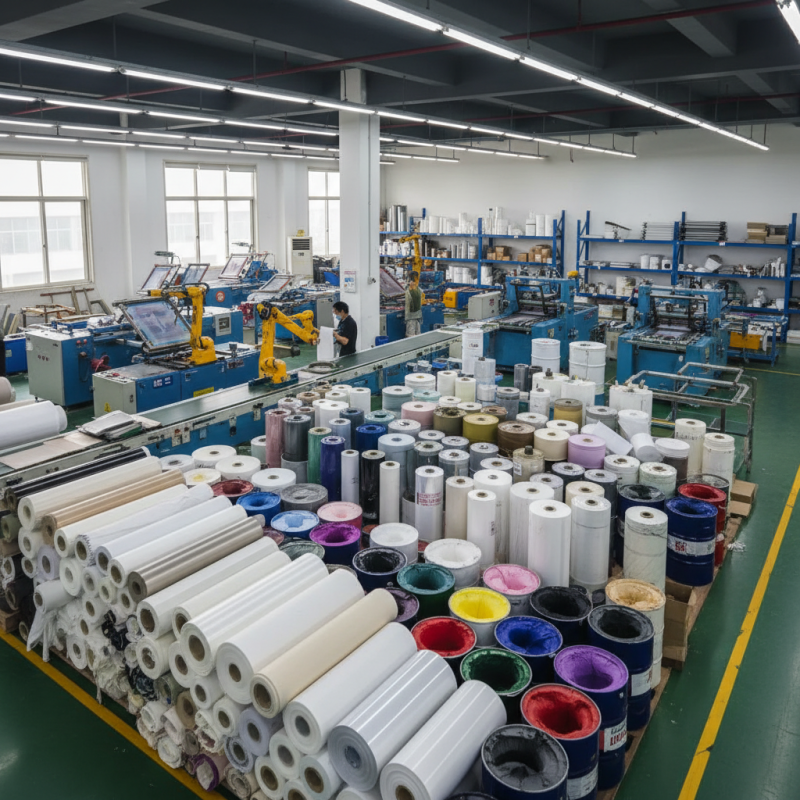
Screen printing is a popular method in China, gaining traction among global buyers. It utilizes various materials that cater to different printing needs. The primary materials include inks, emulsions, screens, and squeegees. Each material plays a vital role in achieving quality prints, but choosing the right type can be challenging.
Inks vary widely in composition and application. Plastisol inks are common due to their durability and vibrant colors. Water-based inks are also gaining popularity as eco-friendly options. Emulsions are crucial for creating stencils. They differ in sensitivity and durability. Selecting an emulsion that suits your printing environment is essential.
Screens are another critical component. Mesh count and thread diameter affect the end product's detail and texture. Always consider the fabric you are printing on; this can influence both the screen choice and the ink type. Squeegees, often overlooked, must have the right shore hardness for effective ink transfer. It's easy to see why some new buyers face challenges in their choices. Understanding these materials can significantly impact the quality of final prints.
Top Screen Printing Materials in China for Global Buyers
| Material Type | Description | Common Uses | Availability |
| Screen Printing Inks | Various types including plastisol, water-based, and discharge inks. | Apparel, posters, and promotional items. | Widely available across major suppliers. |
| Screen Printing Screens | Aluminum and wood frames with mesh for different printing needs. | Textile printing, graphic designs, and signage. | Available in various mesh counts and materials. |
| Squeegees | Made from rubber and polyurethane for effective ink transfer. | Used in all types of screen printing. | Easily sourced from printing supply stores. |
| Emulsions | Used for coating screens to create stencils. | Textile and graphic screen printing. | Widely available with quick drying options. |
| Cleaning Chemicals | Solvents and detergents for cleaning screens and squeegees. | Post-print cleaning and maintenance. | Readily available in various formulations. |
Key Suppliers of Screen Printing Materials in China
China has become a leading hub for screen printing materials, attracting global buyers seeking quality and affordability. Key suppliers in the market offer a variety of products, including inks, screens, and substrates. According to industry reports, the screen printing market in China is projected to grow at a CAGR of 4.5% from 2024 to 2029. This growth reflects an increasing demand for customized products in industries such as textiles and packaging.
Several Chinese suppliers dominate the industry. These companies provide a wide range of materials tailored to different printing needs. High-quality inks containing eco-friendly components are becoming more available. These inks meet international standards, which is crucial for export-focused businesses. However, some suppliers still struggle with consistency and quality control. This has led to mixed reviews from buyers regarding reliability.
Moreover, the supply chain challenges can impact delivery times. As manufacturers face fluctuations in raw material costs, pricing can vary significantly. Buyers often express concern over sourcing materials that meet their specific requirements. It highlights the need for thorough research and due diligence in supplier selection. Building strong relationships with reliable suppliers can mitigate these risks, ensuring high-quality production in the long run.
Quality Standards and Certifications for Screen Printing Products
In the screen printing industry, quality standards and certifications are paramount. Global buyers often seek products that meet international benchmarks. According to a report by Smithers Pira, the global screen printing market is expected to grow by 5% annually, driving the demand for certified materials.
Quality certifications, such as ISO 9001 and ISO 14001, ensure consistent quality. These standards address manufacturing processes and environmental management. They provide transparency for buyers looking for reliable suppliers. A recent survey indicated that 65% of buyers prioritize certifications when selecting screen printing materials.
However, compliance can be a challenge. Many Chinese manufacturers may lack the necessary certifications. This creates potential risks for buyers. Regular audits and assessments are vital. It is essential for buyers to verify product quality and certification validity. The market needs to improve on enforcing these standards. Continuous vigilance will enhance reliability in sourcing screen printing materials.
Trends and Innovations in Screen Printing Materials in China
The screen printing industry in China has seen dynamic trends and innovations, particularly in materials. According to a report from Smithers Pira, the global screen printing market is projected to grow to $10 billion by 2025. This growth reflects the increasing demand for versatile printing applications. In China, eco-friendly materials are gaining traction. Biodegradable inks are becoming a necessity for many manufacturers. They offer an environmentally responsible option without compromising quality.
New advancements in textile inks have also emerged. Transfer printing, for example, allows for vibrant colors and detailed designs on various fabrics. Studies show that using water-based inks reduces harmful emissions. This shift aligns with global sustainability goals. However, not all manufacturers have adopted these innovations. Some continue to rely on traditional inks due to cost constraints and lack of awareness.
Furthermore, the introduction of digital screen printing has transformed production methods. It combines the precision of digital technology with traditional screen printing. This method enhances efficiency while lowering waste. Yet, the transition faces challenges. Many workers need further training to master this hybrid approach. As the industry progresses, the balance between innovation and practicality remains a key consideration.
Buyer's Guide for Importing Screen Printing Materials from China
Screen printing is a thriving industry in China, catering to global buyers looking for quality materials. Reports indicate that the screen printing market is expected to reach USD 6 billion by 2025, driven by increasing demand across various sectors like apparel and packaging. For buyers, understanding key materials is crucial.
Textiles often lead the demand. Polyester and cotton blends are favored for their durability and versatility. Ink quality also matters. Water-based inks are gaining popularity for their eco-friendliness. Studies show that 70% of consumers prefer sustainable products. Buyers should prioritize suppliers with certifications that affirm their commitment to environmental standards.
Price variance can be significant. Some suppliers may offer lower prices but compromise on quality. It’s essential to balance cost and quality to avoid long-term issues. Communication barriers can also pose challenges. Buyers should request samples before making bulk purchases. This step helps mitigate risks and ensures that the materials meet specific needs. In a global market, staying informed about trends and supplier capabilities is vital.