










JHY PCB Blog Hub
Your Source for Expert PCB Design, Manufacturing, and Assembly Insights – Stay Informed with 2025 Trends!
Who Is a Top Multilayer Flex PCB Manufacturer in China?
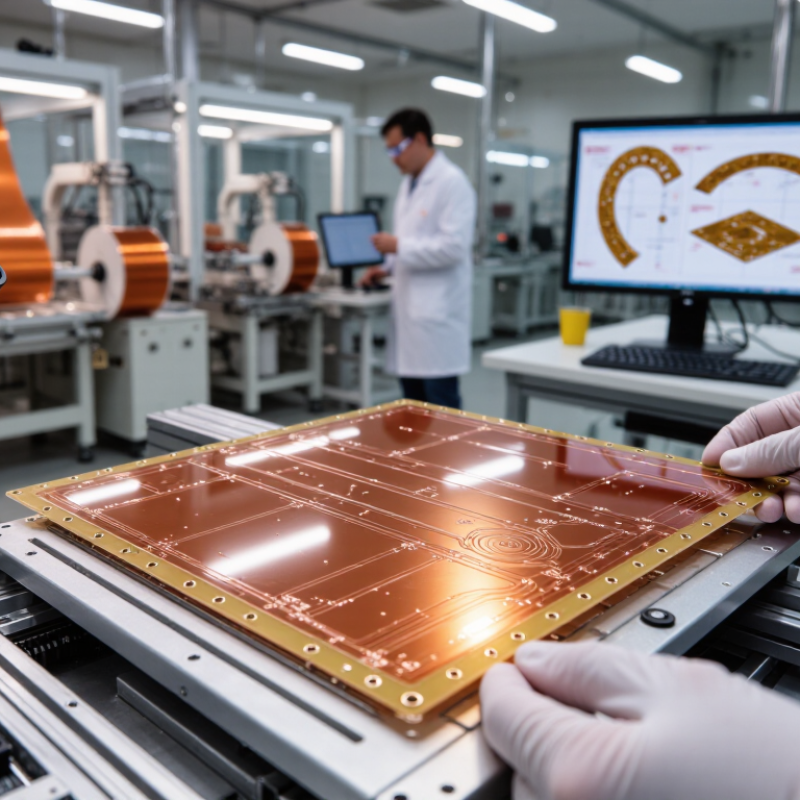
A Multilayer Flex Pcb can look deceptively simple: thin copper layers, amber polyimide film, and a compact outline that bends around a hinge or camera module. Yet reliable performance depends on decisions hidden inside the stackup. Copper weight, adhesive selection, bend radius, via placement, and coverlay design all affect durability. A board that passes electrical testing may still crack after repeated movement. Small details matter.
Choosing a top Multilayer Flex Pcb manufacturer in China therefore requires more than comparing quotes. Buyers should examine engineering support, prototype-to-production controls, documented inspection criteria, and experience with the intended bend conditions. Ask how the supplier controls layer registration, impedance, and plated-through-hole quality. Request evidence, not broad promises. A clean sample is useful, but process consistency is the harder test.
IPC technical expert George Milad is known for his work on PCB technology and reliability. To avoid presenting an unverified quotation as his words, this article uses an editorial principle instead: “Design for the real bend, then verify the process that must reproduce it.” That idea guides the comparison ahead. It also deserves scrutiny: no checklist can replace application-specific testing. The strongest supplier is not simply the one with the most layers or the lowest price. It is the partner that can explain its design choices, show how it checks them, and address limitations plainly.
What Defines a Multilayer Flex PCB and Its Main Applications?
A multilayer flex PCB combines several patterned copper layers with thin insulating films in a bendable circuit structure. Adhesive or adhesive-free laminates hold the layers together, while plated vias connect selected copper paths. Unlike a rigid board, it can fold into a product’s available space. The stack may carry power, signals, and grounding in a compact area. Still, flexibility is not free. Each added layer can increase thickness and make repeated bending more demanding. Small details matter.
These boards are used in foldable displays, camera modules, wearable sensors, and compact medical or industrial instruments. A camera hinge, for example, may need a circuit that bends without blocking movement or adding bulky connectors. In vehicles, flexible circuits can route signals through confined assemblies, but heat and vibration need careful consideration. Engineers typically check bend radius, copper type, layer balance, and via placement during design review. A layout may look tidy on screen yet prove awkward in a real enclosure; that gap deserves testing. Not every application benefits from a multilayer flex board. Where a circuit stays flat, a simpler construction may be easier to inspect and maintain.
How Are Multilayer Flex PCBs Designed and Manufactured?
A multilayer flex PCB begins with its job: how many signals it carries, where it bends, and how often it moves. Designers choose a stack-up of copper, polyimide, and coverlay, then set trace widths and spacing for current and impedance needs. Bend areas need special care. Designers commonly keep vias and abrupt trace changes out of those zones, because stress can concentrate around them. There is no single safe bend radius for every build; copper thickness, layer count, and flexing cycles all matter. A neat CAD layout can still fail if the real assembly bends differently than expected.
Manufacturing turns that stack-up into a tested circuit. Copper patterns are imaged and etched, layers are aligned and laminated, and selected holes receive plating to connect layers. Coverlay protects exposed traces, while stiffeners support connectors or component areas. The panel is then cut to shape and electrically tested for opens and shorts. Inspection also checks alignment and surface defects. Small registration shifts can matter, so early communication between the design and manufacturing teams helps prevent avoidable rework.
Tips: Share the bend location, direction, and expected cycle count with the fabricator. Request a stack-up review before release. Keep components and plated vias away from repeated-bend regions when possible. Build a prototype and test it in the actual enclosure; a drawing cannot reveal every assembly wrinkle.
What Capabilities Distinguish a Leading Chinese Manufacturer?
Who Is a Top Multilayer Flex PCB Manufacturer in China?
A leading manufacturer pairs precise engineering with steady process control. Look for experience with layer stack-ups, fine-pitch routing, and flexible materials such as polyimide. Reliable teams review bend radius, copper thickness, and adhesive choices before production. These details affect whether a board survives repeated flexing.
Ask how the factory controls layer registration and via quality. Cross-section analysis, electrical testing, and documented inspection results provide useful evidence. A capable engineering team should also discuss impedance targets and offer design-for-manufacturing feedback. Equipment matters, but clear records and consistent communication matter too. No process is perfect; even experienced suppliers may need to revise a design after prototype testing.
Tips: Request sample inspection data, not just equipment lists. Confirm how revisions, material substitutions, and nonconforming boards are reported. A small pilot run can reveal handling issues that drawings miss. Keep expectations realistic: prototype results may not predict every production condition.
Who Is a Top Multilayer Flex PCB Manufacturer in China?
Key capabilities include controlling copper weight, designing reliable layer stack-ups, maintaining layer registration, and inspecting flex areas for their intended bend requirements.
Common Copper Weights Used in Multilayer Flex PCB Designs
Nominal thickness is calculated using 1 oz/ft² ≈ 34.8 μm. Actual finished copper thickness can vary with plating and manufacturing processes; confirm stack-up limits with the manufacturer.
How to Evaluate Quality, Certifications, and Production Capacity
Choosing a top multilayer flex PCB manufacturer requires more than a polished capability chart. Prismark’s 2024 industry review put global PCB production value at roughly US$70 billion in 2023, showing a large, highly competitive supply base. Market size alone proves little. Ask for traceable lot records, cross-section images, impedance results, and documented bend-test methods for the same construction you plan to order. Ask for evidence.
For quality, check whether the factory’s quality system is certified and whether its process controls match your application. IPC-6013 provides qualification and performance requirements for flexible and rigid-flex printed boards; request the applicable revision and acceptance records, not just a certificate on the wall. Review copper thickness, coverlay alignment, via reliability, and test coverage on sample panels. Details matter.
Production capacity should be demonstrated with actual equipment, staffing, and lead-time history. Ask how many flex layers the line can build reliably, how it controls lamination and registration, and whether its quoted capacity includes inspection and electrical testing. Compare sample delivery dates with recent production records. A tour helps, but one visit cannot establish stable yields. I would also ask what failed in a recent build and how the team corrected it; some suppliers may answer vaguely, and that deserves a closer look.
How to Select a Manufacturer for a Specific Project
A “top” multilayer flex PCB manufacturer is not automatically right for every project. Start with the board’s real job: a compact camera hinge, a wearable sensor, or a flex-to-rigid connection each creates different demands. Define layer count, finished thickness, bend radius, copper type, and whether bending is static or repeated. Small details matter. A tight bend near a plated through-hole can become a failure point.
Ask for evidence. Request a proposed stack-up, design-for-manufacturing feedback, and examples of similar constructions, with sensitive customer details removed. Check how the manufacturer controls coverlay alignment, lamination, impedance, and dimensional inspection. For dynamic flex, ask how bend-cycle testing is performed and whether the test matches your motion and radius. A polished capability sheet is useful, but it cannot replace data from a relevant build.
Compare quotations against the same drawings and acceptance criteria. Clarify material substitutions, tooling charges, lead time, inspection records, and how engineering changes are handled. Ask whether a prototype lot can verify fit and electrical performance before production. I would not assume the lowest price signals poor quality, or that a large facility guarantees better results; both assumptions need checking. Share your actual constraints, then judge the response for specific risks, not confident wording alone.


