Top 10 Marine Inverter Tips for Efficient Energy Use?
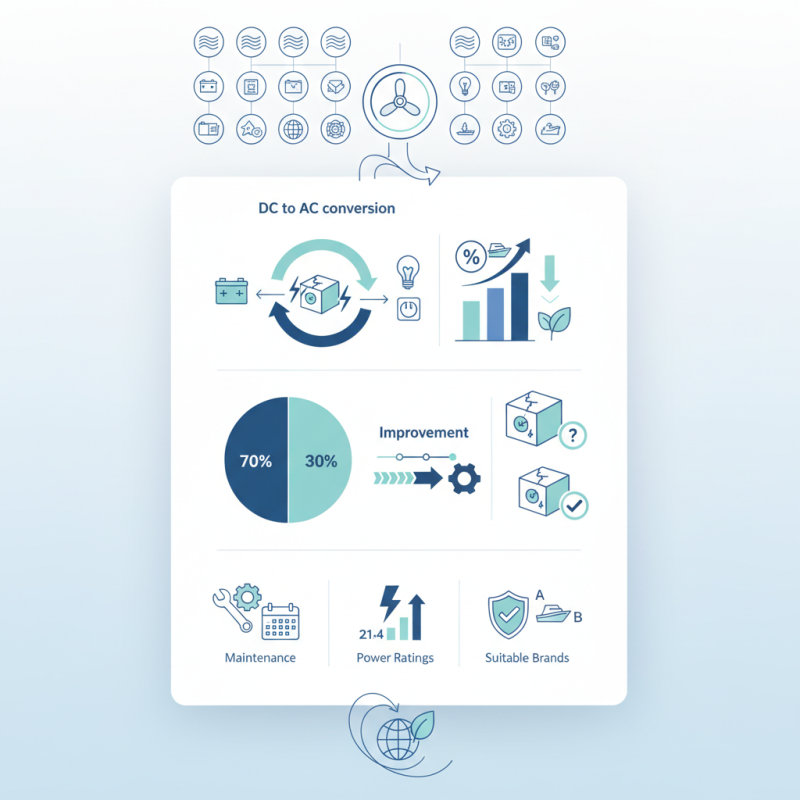
The use of Marine Inverters is critical for optimizing energy efficiency in marine applications. According to the International Council on Clean Transportation, marine vessels contribute significantly to global emissions. Smart energy solutions, like Marine Inverters, can help reduce this impact. These devices convert DC power from batteries into AC power, efficiently supplying energy for various onboard systems.
Data from the Marine Industry Association indicates that over 70% of maritime energy consumption is driven by electrical systems. Improving inverter technology can dramatically decrease energy waste. However, not all inverters are created equal. Users often overlook the importance of choosing quality Marine Inverters tailored to their specific needs, leading to inefficiencies. Understanding common pitfalls in inverter usage can make a substantial difference in performance and sustainability.
By learning to optimize these devices, boat owners can enhance their vessels' energy efficiency. Regular maintenance, understanding power ratings, and choosing suitable inverter brands are vital. As the marine industry evolves, embracing advanced inverter technology becomes essential for a greener future.
Understanding Marine Inverters: Basics and Functions
Marine inverters play a crucial role in converting DC power from batteries into AC power for onboard appliances. Understanding their basics and functions can enhance energy efficiency on your vessel. An inverter ensures that devices like refrigerators and navigation systems receive the power they need without overloading the battery.
When using a marine inverter, consider the efficiency ratings. Higher efficiency means less energy wasted. Regular monitoring helps identify any issues early on. Keep the inverter clean and well-ventilated. Dust can impact performance and lead to overheating.
Avoid running multiple high-demand appliances simultaneously. This can strain the inverter and deplete battery power quickly. Instead, prioritize essential devices during peak hours. Properly estimating power needs can prevent unexpected surges and failures. Balancing your energy use will significantly improve overall efficiency and reliability on your journeys.
Assessing Your Energy Needs for Optimal Inverter Selection
When assessing energy needs for optimal inverter selection, it's crucial to calculate power requirements accurately. Start by evaluating all devices onboard. This includes lights, navigation tools, and appliances. According to a recent report, proper assessment can increase inverter efficiency by up to 30%. Many boat owners overlook this step. This can lead to selecting an inverter that is either too powerful or insufficient.
Consider the peak wattage of your devices. An inverter must handle peak loads effectively. For instance, while a microwave may require 1000 watts, its surge could reach 1500 watts. Failing to account for these spikes can damage the inverter. By identifying high-consumption devices, you can better match the inverter's capacity.
Additionally, understand the duration of use for each appliance. Short-term power needs differ significantly from continuous use requirements. Studies suggest that many users underestimate daily energy use. They often think they need less power than they actually do. This misunderstanding can lead to inefficient energy setups. Proper calculations can prevent frustration and unnecessary costs down the line.
Top Features to Look for in a Marine Inverter for Efficiency
When selecting a marine inverter for efficiency, a few key features stand out. The inverter's waveform is crucial. Pure sine wave inverters, though pricier, operate more smoothly with sensitive electronics. A 2022 industry report indicated that pure sine wave systems can improve energy efficiency by up to 30% compared to modified sine wave systems.
Another significant factor is the inverter's efficiency rating. Look for units that boast at least 90% efficiency. This means minimal energy waste. Data from the Marine Electronics Association reveals that high-efficiency inverters can reduce fuel costs by up to 20% over time.
Battery management capabilities are also essential. Advanced inverters can monitor battery health and optimize charging cycles. This ensures longevity and reliable performance. However, some users have reported frustrations with battery compatibility, highlighting that not all inverters work seamlessly with every battery type. Therefore, always check compatibility before purchasing.
Best Practices for Installing Marine Inverters Safely and Effectively
Installing a marine inverter safely and effectively requires careful planning and execution. Begin by selecting an appropriate location for installation. The inverter should be near the battery bank to minimize voltage drop and enhance efficiency. A recent industry report indicated that improper placement can decrease inverter efficiency by up to 30%. Make sure the area is well-ventilated. Inverters generate heat, and insufficient airflow can lead to overheating.
Wiring is another critical aspect to consider. Use appropriately sized cables to avoid overheating and power loss. According to the National Electrical Code (NEC), cables should be rated for the inverter’s output. It’s important to avoid using undersized wires, as they can become a fire hazard. Moreover, ensure that all connections are secure and corrosion-resistant. Regular maintenance checks on the connections can prevent potential failures.
Consider additional safety features like circuit breakers and fuses. These components protect both the inverter and the vessel from overloads. However, many boat owners overlook these essentials during the installation process. Failing to include them can lead to severe electrical issues. Being aware of these details contributes to a more reliable and efficient energy system onboard.
Tips for Maintaining Marine Inverters to Maximize Energy Efficiency
Maintaining marine inverters is crucial for optimal energy efficiency. Regular inspections help identify issues before they escalate. Check connections and wiring for signs of wear or corrosion. A simple visual inspection can save time and costs.
Keeping the inverter clean is essential. Dust and grime can impede performance. Wipe down surfaces and ensure air vents are clear. Pay attention to cooling fans; they should operate quietly and efficiently.
Monitoring the inverter’s performance is vital. Use appropriate tools to track energy output. Adjust settings based on usage patterns. Be aware that occasional fluctuations occur. These can indicate underlying problems. Reflect on the inverter's operating environment. Humidity and temperature can affect efficiency. Addressing these factors can prolong the inverter's lifespan.
Top 10 Marine Inverter Tips for Efficient Energy Use
| Tip Number | Tip | Description |
| 1 | Regular Maintenance | Schedule routine inspections to ensure the inverter operates efficiently. |
| 2 | Check Connections | Ensure all connections are tight and free from corrosion to improve conductivity. |
| 3 | Use Quality Batteries | Invest in high-quality batteries to maximize the performance of your inverter. |
| 4 | Monitor Load | Keep track of the load to avoid overloading the inverter, which can reduce efficiency. |
| 5 | Optimize Usage Times | Run high-demand appliances during the day to take advantage of solar energy. |
| 6 | Ventilation | Ensure proper ventilation around the inverter to prevent overheating. |
| 7 | Upgrade if Necessary | Consider upgrading to a more efficient inverter model if yours is outdated. |
| 8 | Use Proper Cables | Select cables that are appropriate for your inverter's current to reduce energy loss. |
| 9 | Install a Monitor | Use monitoring tools to track energy usage and inverter performance. |
| 10 | Consult Professionals | Seek professional help for complex issues to ensure safe and efficient operation. |