











JHY PCB Blog Hub

Your Source for Expert PCB Design, Manufacturing, and Assembly Insights – Stay Informed with 2025 Trends!

Top 10 EV Infrastructure Suppliers for Global Buyers

Choosing an EV charging partner is not just a matter of comparing charger prices. For global buyers, the right supplier must fit local power conditions, vehicle types, installation plans, and operating goals. Ev Infrastructure includes more than the hardware beside a parking bay. It also covers software, payment options, load management, maintenance, and support when equipment stops working. Small details matter. A cable that reaches the curb, a clear status screen, and replacement parts available nearby can shape daily reliability.

This guide introduces ten EV infrastructure suppliers for buyers assessing projects across regions and scales. It considers product range, charging performance, interoperability, service networks, software capabilities, and available evidence of deployment. Specs alone can mislead. A high-power unit may be unnecessary at a workplace where cars charge for eight hours. A busy highway site may need rapid service as much as peak output. Commissioning schedules and spare-parts access also affect real-world performance. Buyers should verify regional certifications, connector compatibility, warranties, and local support directly with each supplier. These conditions vary by market, and supplier claims deserve careful checking. No single company is best for every project. This comparison is a starting point, not a substitute for site studies, reference checks, or a realistic total-cost review.
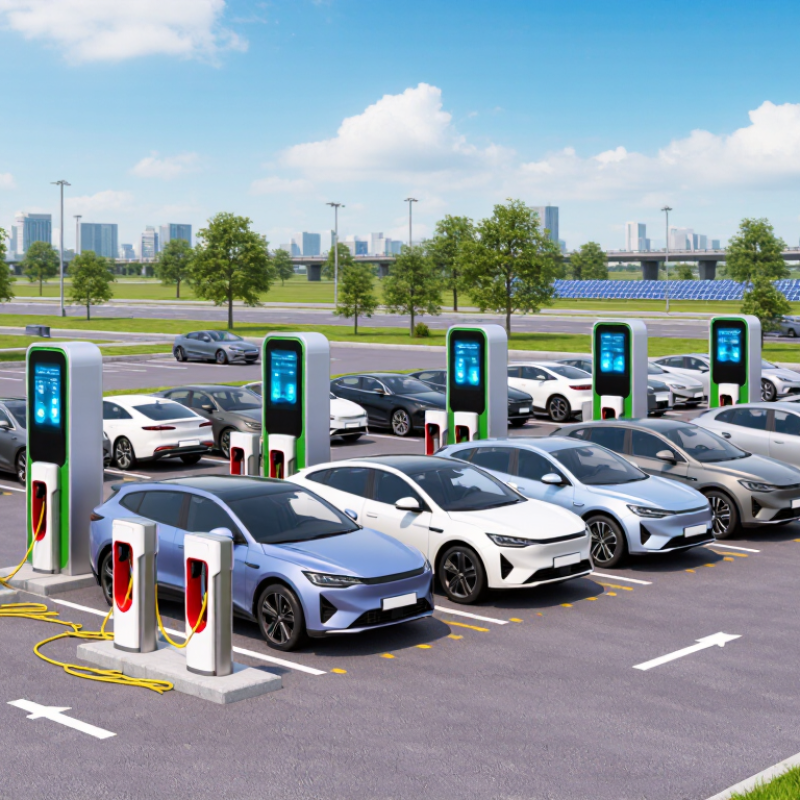
Top 10 EV Infrastructure Suppliers for Global Buyers

Defining the EV Infrastructure Supplier Landscape

EV infrastructure is not a single product category. It is a chain of equipment and services that must work together. Buyers may source charging units, power-conversion systems, site controls, payment interfaces, and maintenance support from different suppliers. Some firms specialize in hardware; others integrate software, grid connections, installation, or operations. The boundaries blur. That can help buyers build flexible projects, but it can also leave responsibility unclear when a charger, network, and site controller fail to communicate. The supplier landscape is therefore best mapped by capability, not by product labels alone.

For global buyers, useful comparisons start with deployment conditions. A highway depot needs different power capacity and uptime planning than a workplace car park. Check connector options, operating temperature ranges, cybersecurity documentation, service coverage, spare-part lead times, and integration with existing energy systems. Ask for commissioning records and references from sites with similar loads, not just polished demonstrations. Local installation partners matter. So does support after handover. Test supplier claims against a written scope, measurable service levels, and a clear escalation path. Yet specifications rarely tell the whole story; field performance can vary with grid quality, weather, and user behavior. Buyers may also underestimate the effort of coordinating several vendors. The market remains uneven, and that is worth admitting. A careful shortlist can reveal where expertise is real—and where responsibilities are still vague.

Main Products and Services Across EV Charging Networks

EV infrastructure suppliers support more than charger hardware. Their offerings commonly include AC units for workplaces and homes, high-power DC chargers for highways, installation, commissioning, and maintenance. Network software adds remote monitoring, access control, payment processing, and usage reports. The International Energy Agency’s Global EV Outlook 2024 reported more than four million public charging points worldwide in 2023, up 40% from 2022. Fast chargers grew by 55%. That expansion increases demand for dependable equipment and support.

Buyers should compare power ratings, connector options, weather protection, software compatibility, and spare-parts access. Fleet depots may need load management to avoid costly peak demand. Highway sites often need fast charging and rapid fault response. Service promises matter. A polished dashboard can still hide a port that is out of service; real uptime data and maintenance response times deserve scrutiny.

Tips: Map routes, grid capacity, and expected daily sessions before requesting proposals. Ask suppliers for site references and sample uptime reports. Test payment and remote-support workflows on a pilot site. Small details matter, though no supplier can remove every delay caused by permitting or grid upgrades.

Top 10 EV Infrastructure Suppliers for Global Buyers - Main Products and Services Across EV Charging Networks

Illustrative supplier categories across the EV charging value chain; not a ranked list of individual companies.

Supplier Category Main Products Main Services Typical Buyers Common Use Cases
AC Charging Equipment Suppliers Wall-mounted and pedestal AC chargers, typically from a few kilowatts up to around 22 kW; sockets or tethered cables, depending on market. Site assessment, installation guidance, commissioning, warranty, and equipment maintenance. Homeowners, workplaces, hotels, property managers, and parking operators. Overnight home charging, employee parking, and longer-stay destination charging.
DC Fast-Charging Equipment Suppliers Standalone or modular DC fast chargers, commonly offered across a range of power levels for public and commercial sites. Electrical design support, installation coordination, remote diagnostics, spare parts, and field service. Charging network operators, retailers, utilities, and commercial property owners. Urban public charging, retail locations, and roadside charging stops.
High-Power Charging System Suppliers High-power DC charging systems, power cabinets, dispensers, and liquid-cooled cable options for compatible applications. Power and site planning, system integration, commissioning, uptime monitoring, and technical support. Highway service-area operators, large charging networks, and fleet depots. Highway corridors and locations where shorter charging stops are important; actual charging speed depends on the vehicle and site conditions.
Charging Network Software Providers Cloud-based charger management platforms, operator dashboards, driver apps, and APIs for connecting chargers and business systems. Device monitoring, access control, tariff configuration, session records, reporting, and software updates. Charge point operators, utilities, fleets, and businesses managing private chargers. Operating multi-site networks, managing charger availability, and analyzing charging activity.
Public Charging Network Operators Public AC and DC charging locations, network access systems, and driver-facing digital services. Site acquisition, network operation, customer support, charger maintenance, and payment or access management. Drivers, fleet customers, site hosts, and mobility service providers. Public charging access across cities, travel routes, and destination locations.
Turnkey Engineering, Procurement, and Construction Providers Integrated charging-site packages combining chargers, switchgear, cabling, foundations, and site electrical works. Feasibility studies, permits, utility coordination, construction, commissioning, and project management. Charging operators, property developers, municipalities, and commercial site owners. Building new charging sites or upgrading existing sites, including projects requiring grid and civil works.
Fleet Depot Charging Integrators Depot chargers, charging management systems, load-control equipment, and, where suitable, energy storage or on-site generation integrations. Fleet duty-cycle analysis, charging schedules, depot design, installation, and ongoing optimization support. Bus, delivery, logistics, municipal, and commercial vehicle fleets. Coordinating vehicle charging with vehicle routes, dwell times, and available electrical capacity.
Power Conversion and Grid-Connection Suppliers Transformers, switchgear, protection systems, power converters, metering, and electrical distribution equipment. Grid studies, connection design, equipment integration, testing, and compliance support. Utilities, engineering contractors, charging operators, and large-site owners. Connecting charging installations to the local electrical network and distributing power safely across a site.
Payment, Roaming, and Mobility-Service Providers Payment interfaces, driver accounts, charging-access credentials, roaming platforms, and service APIs. Transaction processing, partner integrations, access management, billing support, and session-data exchange. Charging operators, mobility service providers, fleets, and payment partners. Enabling drivers to access charging services across participating networks and supporting payment or account-based charging.
Energy Management and Flexibility Providers Energy management software, site controllers, smart-meter integrations, and optional links to storage or renewable-energy systems. Load management, energy monitoring, demand-charge analysis, and coordination of charging with site constraints. Fleet operators, commercial buildings, charging networks, and energy-service companies. Balancing charging demand with site capacity, operating schedules, and energy costs; results depend on tariffs and local grid rules.

Criteria for Comparing Suppliers in Global Markets

Global buyers should compare EV infrastructure suppliers by documented performance, not polished catalogs. Request test reports, operating references, and clear specifications for charging power, connector options, and communication protocols. Check whether equipment has been tested against standards used in each target market, and verify the evidence independently. A high rated output means little if a site’s grid cannot support it.

Site fit matters.

Compare installation guidance, commissioning time, spare-parts availability, and support hours across regions. Ask who handles diagnostics when a charger fails overnight, and how quickly replacement components can arrive. Review warranty terms, software update practices, cybersecurity documentation, and the supplier’s ability to integrate with existing systems. These details often reveal more than a low purchase price.

Still, supplier data can be incomplete, and buyer assumptions can be wrong. Score criteria consistently, then confirm key claims through a pilot site before scaling. One site cannot represent every climate or usage pattern.

Regional Coverage, Standards, and Deployment Capabilities

Global EV infrastructure suppliers should be judged by where they can support a project, not just where they can ship equipment. Regional service teams matter when a charger fails during a busy afternoon. Ask about spare-part locations, response times, and technician training. Standards also vary by market, so confirm that equipment meets local grid, connector, and safety requirements. A certificate from one region may not satisfy another.

Tips: Request sample commissioning records and a written service plan. Check who handles software updates and site troubleshooting. Test early.

Deployment capability becomes visible on site. A supplier should explain how its equipment fits existing electrical capacity, network coverage, and installation schedules. Ask for references from projects with similar climate and grid conditions. A coastal site faces different corrosion risks than a dry inland depot. Details matter. Yet supplier documents rarely capture every local constraint; independent engineering review can catch gaps before installation. Compare support commitments alongside equipment specifications, and verify them with regional project teams. Small gaps can become costly delays.

Profiles of Ten Leading EV Infrastructure Suppliers

Global EV infrastructure suppliers differ in what they build and how they support sites. The International Energy Agency’s Global EV Outlook 2024 reports about 3.3 million public charging points worldwide at the end of 2023, up 40% in one year. That growth raises practical questions: who installs, monitors, and repairs each unit?

Ten supplier profiles reveal distinct strengths: high-power DC hardware for highway stops; AC chargers for workplaces; modular DC systems for growing sites; depot charging for commercial fleets; software for remote monitoring; payment and roaming services; load-management controls; charger-and-storage packages; engineering and installation teams; and maintenance specialists using fault alerts. A supplier may excel at hardware but offer limited field support. That gap matters. Equipment specifications alone do not show how quickly a failed connector will be replaced.

Tips: Compare uptime definitions, service coverage, and spare-parts access before choosing a supplier. Ask for references from sites with similar climate, grid capacity, and daily vehicle traffic. IEA figures describe infrastructure growth, not charger reliability. Buyers should check local operating data, too. Some comparisons remain imperfect; published uptime can hide short outages or exclude payment failures.

Scroll to Top