











JHY PCB Blog Hub

Your Source for Expert PCB Design, Manufacturing, and Assembly Insights – Stay Informed with 2025 Trends!

What Are the Top Copper Brazing Furnace Types in 2026?

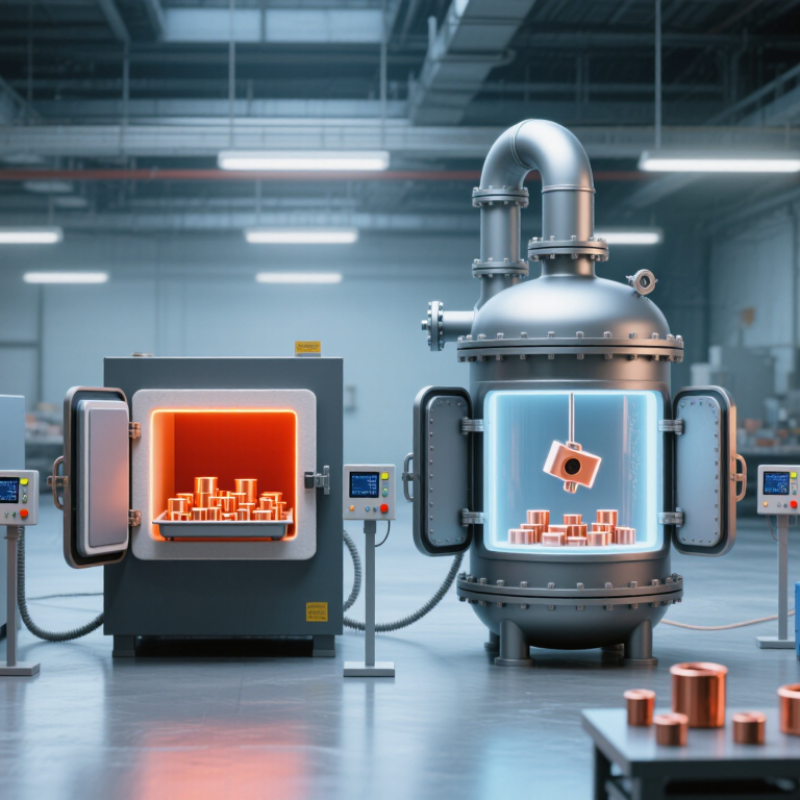
In 2026, choosing a Copper Brazing Furnace means matching the heating process to the part, joint, and production volume. A furnace that performs well for copper tubing may not suit compact electrical components. The leading options commonly considered include continuous mesh-belt furnaces, batch furnaces, vacuum furnaces, and induction systems. Each offers a different balance of throughput, temperature control, atmosphere management, and operating cost.

Details matter. In a mesh-belt furnace, parts travel through a controlled heating zone, supporting steady, high-volume production. Batch furnaces offer flexibility for varied part sizes and smaller runs, though loading and unloading can interrupt output. Vacuum furnaces reduce oxygen exposure, which can help with sensitive assemblies, but they typically require greater equipment investment. Induction systems heat selected areas quickly; part geometry and coil design can limit their suitability.

This guide compares these furnace types by practical selection factors, including joint consistency, cycle time, maintenance, and production scale. A temperature display alone does not prove a reliable process. Buyers should also review atmosphere controls, temperature uniformity data, service support, and trials using representative parts. Ask for evidence. Specifications are useful, but they cannot predict every shop-floor result. Even a well-matched furnace may need process adjustments after installation. That is worth planning for.
What Are the Top Copper Brazing Furnace Types in 2026?

How Copper Brazing Furnaces Control Heat and Joint Quality

What Are the Top Copper Brazing Furnace Types in 2026?

How Copper Brazing Furnaces Control Heat and Joint Quality

Copper’s high thermal conductivity makes temperature control critical: heat can spread quickly from the joint into surrounding parts. The Copper Development Association reports thermal conductivity of about 391 W/m·K for C10100 copper at room temperature. Resistance furnaces suit batch work, while continuous controlled-atmosphere furnaces support repeatable production. Vacuum furnaces help limit oxidation, and induction systems heat selected areas rapidly. The right choice depends on part geometry, filler metal, throughput, and required joint consistency.

A reliable cycle matches the filler alloy’s flow temperature, heating rate, and soak time. The American Welding Society defines brazing by filler metal melting above 450°C, while the copper base metal remains solid. NIST lists copper’s melting point as about 1,084.6°C, but that high limit does not make careless heating safe for joint quality. Place temperature sensors near representative joints, not only near the furnace wall. Clean surfaces and consistent joint gaps matter too. A perfect furnace cannot repair poor fit-up. That sounds simple; fixtures often complicate it.

Tips: Check temperature uniformity with a calibrated survey, then verify parts from different load positions. Keep a record of cycle settings and visible defects. Small changes in load mass can shift heating behavior, so recheck the process after fixture changes.

Batch Furnaces for Flexible Copper Brazing Applications

Batch furnaces suit copper brazing when part sizes, joint designs, or order volumes change often. Operators can load baskets, fixtures, or individual assemblies, then run a controlled heating cycle. This flexibility helps job shops handle mixed work without dedicating a continuous line to one product. Small runs fit well.

Copper transfers heat quickly, but thick assemblies and crowded loads can still heat unevenly. Leave space between parts, and choose fixtures that support joints without blocking heat flow. Clean mating surfaces matter; oil or oxide can weaken a finished joint. The furnace atmosphere must also suit the base metals and filler alloy. Not every setup behaves the same. Trial loads help reveal cold spots, filler movement, or distortion before regular production begins.

A batch system allows operators to adjust recipes for different assemblies and review each cycle’s temperature record. Place monitoring sensors near representative parts, not only beside the furnace wall. Record load arrangement, cycle time, and inspection results so a successful setup can be repeated. Batch processing does require careful loading and may create waiting time between cycles. That trade-off is easy to underestimate. Teams should test realistic production loads, since an ideal laboratory sample may not reflect a full furnace basket.

Continuous Furnaces for High-Volume Copper Production

What Are the Top Copper Brazing Furnace Types in 2026?

Continuous Furnaces for High-Volume Copper Production

For repeatable, high-volume copper assemblies, continuous furnaces move parts through controlled heating and cooling zones on a belt or conveyor. The steady flow suits fittings, electrical components, and similar parts with consistent geometry. Operators can track belt speed, zone temperatures, and atmosphere conditions as production runs. Small shifts matter. Copper conducts heat quickly, but thick sections and joint designs still affect how evenly a brazed assembly heats.

The U.S. Geological Survey’s Mineral Commodity Summaries 2025 estimates global copper mine production at about 23 million metric tons in 2024. That figure describes mined supply, not brazing demand, but it shows the scale of copper moving through industrial supply chains. A continuous furnace can support throughput, yet it is not automatically the best choice for every part. Mixed sizes or frequent changeovers may complicate line settings and increase setup losses.

A practical line uses a stable conveyor speed, calibrated temperature zones, and suitable atmosphere control to limit oxidation and protect joint quality. Regular checks should include thermocouples, belt tracking, and sample joints from different points in the run. The trade-off is real. A line can appear stable while small variations accumulate. Data logging helps, though it cannot replace inspection of actual joints.

Vacuum and Controlled-Atmosphere Furnaces for Clean Brazed Joints

In 2026, furnace choice for copper brazing is less about maximum heat and more about controlling oxygen, temperature, and joint fit. Vacuum furnaces reduce oxidation without relying on a protective gas stream, making them useful for complex assemblies and clean internal passages. Controlled-atmosphere furnaces use gases such as hydrogen or nitrogen-based mixtures, depending on the copper grade and filler metal. AWS’s Brazing Handbook describes atmosphere control and joint clearance as central process variables. Small details matter.

Copper moves heat quickly. The Copper Development Association lists C11000 copper at a minimum electrical conductivity of 100% IACS, a useful reminder that parts can heat unevenly when mass or fixture contact varies. NIST gives copper’s melting point as 1,084.62°C; brazing temperatures must stay safely below it while still activating the filler. A practical trial should log furnace temperature, load position, and cooling behavior—not just the controller setpoint. Not always easy.

Vacuum systems can leave bright surfaces, but trapped oils or oversized gaps may still produce weak joints. Controlled atmospheres can be economical for repeat runs, yet gas purity and dew point need regular checks. Operators should verify results with cross-sections or leak tests, not appearance alone. That part is often missed. A small copper tube may look perfect and still hide an incomplete capillary fill.

Induction Furnaces for Fast, Localized Copper Heating

Induction Furnaces for Fast, Localized Copper Heating

Induction furnaces heat copper by creating an alternating magnetic field around the workpiece. A coil concentrates energy near the joint, so nearby sections can stay cooler than they would in a large furnace. This is useful for brazing copper tubes, fittings, and compact assemblies where broad heating may distort parts or damage adjacent components.

Speed matters. Copper conducts heat quickly, so a narrow hot zone can spread beyond the joint if the cycle runs too long. Coil shape, spacing, frequency, and part geometry all affect heating. Operators often check the joint with temperature-indicating tools or validated process controls rather than relying on color alone. Copper gives few reliable visual clues. A tight, clean joint also helps filler metal flow consistently; induction cannot compensate for poor fit-up.

The setup is not effortless. A coil that works well on one fitting may heat another unevenly, especially when wall thickness changes. Trial runs and recorded settings help make production more repeatable, though real parts can still behave differently. That is worth admitting. For small batches or varied assemblies, induction can offer precise, rapid heating; for complex shapes, careful testing remains essential.

Scroll to Top