










JHY PCB Blog Hub

Your Source for Expert PCB Design, Manufacturing, and Assembly Insights – Stay Informed with 2025 Trends!

China Best Paper Coating Machine Manufacturers?

Choosing among China’s best Paper Coating Machine manufacturers requires more than comparing catalog prices. It demands practical knowledge of coating chemistry, web handling, drying control, and after-sales service. A reliable supplier should explain how its machine manages coating weight, tension stability, edge quality, and substrate changes. Ask for test data, not attractive photographs.

Dr. Hannu Paulapuro, a respected paper-technology researcher, has stated, “Paper quality is created through the whole process, not at one machine alone.” This principle remains highly relevant when evaluating Chinese equipment makers. A modern Paper Coating Machine may include blade, rod, air-knife, or curtain coating systems. Each design suits different grades, speeds, and surface requirements. Stainless-steel contact parts, accurate metering pumps, and responsive drying zones matter during real production.

Look closely at operating evidence. Can the manufacturer demonstrate a stable coating profile at production speed? Are spare parts available in your region? Does the control system record temperature, viscosity, pressure, and moisture data? These details often separate an experienced builder from a low-cost assembler.

The decision is rarely perfect.

Even reputable manufacturers may have limited experience with a specific paper grade. A supplier may also present ideal laboratory results that differ from factory performance. Therefore, buyers should inspect references, request a pilot trial, and review maintenance records before signing a contract. This article examines leading Chinese manufacturers through technical capability, customization, reliability, service response, and total operating value—not marketing claims alone.
China Best Paper Coating Machine Manufacturers?

What Is a Paper Coating Machine?

What Is a Paper Coating Machine?

A paper coating machine applies a controlled layer to paper or paperboard. The coating may contain pigments, binders, water, or functional additives. It improves smoothness, printability, brightness, gloss, and resistance to moisture or grease.

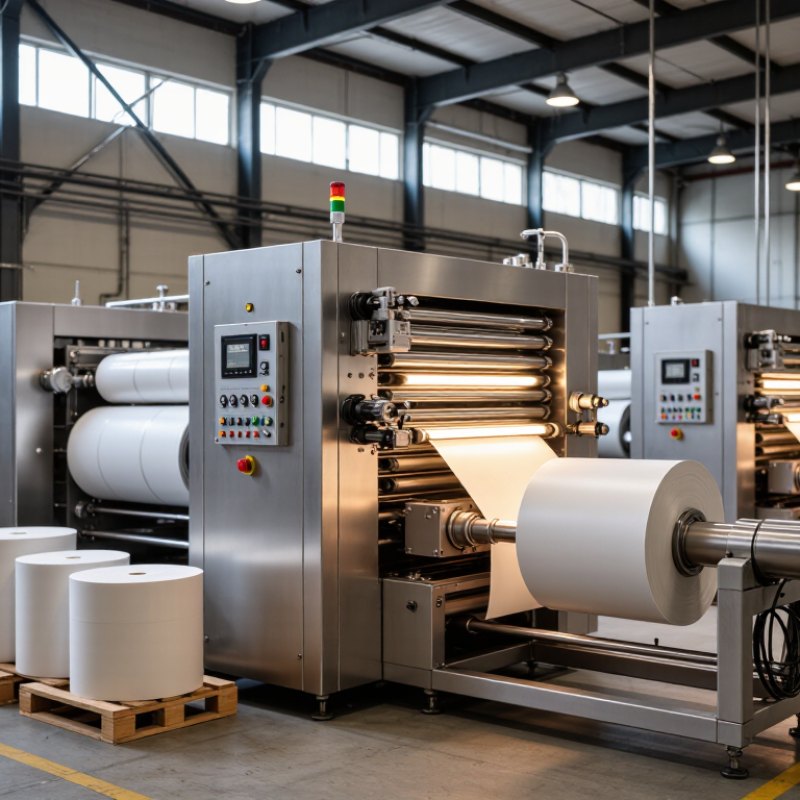
A typical line includes an unwinder, coating station, metering unit, dryer, calender, and rewinder. The coating station spreads liquid across a moving paper web. A blade, rod, or air-knife system then controls the coat weight.

Dryers remove moisture without overheating the sheet. Small temperature changes can cause curling, blistering, or uneven gloss.

According to Smithers’ The Future of Global Paper and Board to 2028, worldwide paper and board demand is expected to exceed 470 million tonnes by 2028. This growth increases pressure on coating lines to improve output and reduce material waste. CEPI reported European paper and board production at about 79.5 million tonnes in 2023, showing the scale of this manufacturing base.

In practical operation, buyers should inspect coat-weight stability, drying efficiency, web tension, and cleaning access. Energy use matters greatly. However, higher speed does not always mean better performance. A fast machine can create more defects when coating viscosity changes. That part is often underestimated. Reliable evaluation requires production trials, laboratory testing, and data from comparable paper grades.

How Paper Coating Machines Work

Paper coating machines apply a controlled layer of pigment, binder, and additives to a moving paper web. The coating improves smoothness, printability, brightness, or resistance to moisture. The paper roll first passes through an unwind stand, where guide rollers maintain stable tension. Small tension changes can create wrinkles or uneven coating.

At the coating station, an applicator transfers the liquid mixture onto the paper surface. A blade, rod, or air-knife system then removes excess material and controls coat weight. The chosen method depends on paper grade, machine speed, and coating viscosity. The goal is simple: create a uniform layer. The settings are not simple. Operators check viscosity, solids content, temperature, and flow rate before production.

After coating, the wet sheet travels through drying zones. Heated air removes water gradually and prevents blistering or curling. Too much heat can damage the surface. Too little drying leaves moisture inside the sheet. Inline sensors measure moisture, thickness, and coating weight, but calibration remains essential. Dust can distort readings. A final calender may compress the sheet and improve gloss before rewinding.

In practice, the first setup is rarely perfect. A small change in blade pressure can alter the coating profile. Experienced technicians compare test samples with process records and adjust one variable at a time. Quality checks often include gloss, opacity, surface strength, moisture, and coating adhesion. Some production teams still rely too heavily on familiar settings, which can hide developing problems.

Key Types of Paper Coating Machines in China

China’s paper coating machine sector serves packaging, printing, labels, and specialty papers. China Paper Association data reported approximately 129.65 million tonnes of paper and paperboard production in 2023. This scale demands stable coating systems, not merely high-speed equipment.

Blade coaters remain important for coated publishing and packaging papers. They provide precise coat-weight control and smooth surfaces. Film press coaters reduce liquid application and support energy-efficient production. Curtain coaters create a continuous coating layer without direct contact. They suit sensitive papers and some barrier applications. Gravure coating units offer accurate pattern or full-surface coating for specialty products. Each type requires different drying, viscosity, and tension settings.

Smithers’ industry research on coated paper highlights ongoing demand for better printability, barrier performance, and resource efficiency through 2028. Equipment buyers should compare coat-weight variation, drying capacity, web width, and cleaning time. A machine may run quickly but waste coating during grade changes. That detail is often underestimated. Operators should also inspect blade holders, pumps, infrared dryers, and control systems before purchase. Chinese manufacturers commonly provide customized layouts for local mill conditions, but technical documentation can vary. I would request trial-coating data, long-run stability records, and measured energy consumption. Marketing figures are not enough. Real production results matter.

How to Evaluate Chinese Paper Coating Machine Manufacturers

How to Evaluate Chinese Paper Coating Machine Manufacturers

Choosing the best paper coating machine manufacturer requires more than comparing prices. I recommend visiting the production site, physically or through a live video inspection. Check welding quality, electrical cabinets, bearing protection, and the cleanliness around the coating head. Ask how many machines have operated for more than five years. A factory should provide verifiable customer references, not only polished photographs.

Request a test using your actual paper grade, coating weight, speed, and drying requirements. Measure coating uniformity across the web, moisture after drying, energy use, and surface defects. Inspect the laboratory data yourself. Small differences in viscosity can create visible streaks. The supplier should explain pump selection, tension control, doctor blade settings, and automatic fault alarms in practical terms. Vague answers deserve caution.

Technical documents matter. Review material specifications, acceptance criteria, spare-parts lists, installation duties, and response times. Confirm whether engineers can support commissioning and operator training at your site. Reliable manufacturers usually record test results and modify designs when problems appear. That matters more than impressive sales language. I would still leave room for doubt: a successful factory trial may not reflect continuous production. Ask for a longer endurance test, although this can increase cost and delay delivery. A careful decision balances measurable performance, service capability, and the risks your production team can actually manage.

How to Evaluate Chinese Paper Coating Machine Manufacturers

This procurement framework uses percentage weights to compare manufacturers without relying on company or brand data. Coating uniformity, production stability, drying efficiency, substrate compatibility, safety compliance, and after-sales support are key factors when evaluating paper coating equipment.

Leading Factors in Choosing the Best Manufacturer

China’s paper coating machine manufacturers serve many production needs, but the best choice depends on more than price. A capable manufacturer should understand your paper grade, coating formula, line speed, and drying limits. Ask for measurable specifications, not broad promises. For example, confirm coating width, application accuracy, tension control, and expected output under real operating conditions.

Factory experience matters during evaluation. Review similar installations and request contact details for comparable users. Inspect the workshop, welding quality, electrical cabinets, and spare-part storage. A reliable supplier should provide detailed drawings, factory testing, installation guidance, and operator training. Ask how engineers respond when coating streaks, uneven drying, or web breaks appear. Fast technical support can prevent several days of lost production.

Do not ignore maintenance.

Check the availability of rollers, pumps, sensors, and control components. Their replacement cycle affects long-term costs. A lower quotation may exclude commissioning, shipping protection, or software adjustments. That can create unpleasant surprises later. Practical buyers should compare the complete ownership cost over five years. I have found that polished presentations can hide weak process control, although paperwork alone can also mislead. A trial using your paper and coating material offers stronger evidence. Even then, results may change after installation, so acceptance criteria must be written clearly. Reliability is built through transparent communication, documented testing, and realistic promises.

China Best Paper Coating Machine Manufacturers? - Leading Factors in Choosing the Best Manufacturer

Evaluation Factor Relevant Technical Dimension Typical Reference Data Why It Matters Recommended Verification Suggested Weight
Coating Technology Coater type and application method Blade, rod, air-knife, curtain, size-press, gravure, or slot-die systems The coating method affects surface quality, coating weight, operating speed, and product range. Match the proposed method with the paper grade, coating formulation, viscosity, and target finish. 15%
Production Capacity Web width, line speed, and annual output Machine configurations commonly range from laboratory or pilot widths to production widths above 2,000 mm; speed depends on grade and coating method. Capacity must support present demand without creating excessive idle investment or future bottlenecks. Review guaranteed speed, usable width, uptime assumptions, and a production test using the buyer’s substrate. 13%
Coating Accuracy Cross-direction and machine-direction coating uniformity Performance should be assessed against an agreed coating-weight tolerance, measured by laboratory or online testing equipment. Stable coating distribution reduces rejects, customer complaints, and raw-material waste. Request coating-weight profiles, sample measurements, control resolution, and test results at the specified operating speed. 14%
Drying and Curing Dryer type, installed capacity, temperature control, and air circulation Common systems include hot-air, infrared, steam, gas, electric, or combined drying sections; the required configuration depends on moisture load and coating chemistry. Insufficient drying can cause blocking, curl, picking, poor printability, and unstable rewinding. Check heat-load calculations, exhaust design, temperature uniformity, moisture targets, and drying performance during trials. 10%
Substrate Compatibility Basis weight, thickness, roll diameter, tension range, and paper grade The machine should be engineered around the specified basis-weight range, web behavior, moisture content, and roll dimensions. A machine optimized for one paper grade may not perform reliably on lightweight, coated, recycled, or specialty papers. Provide representative substrates and confirm tension, feeding, drying, and rewinding results in writing. 9%
Automation and Process Control PLC, HMI, drive synchronization, recipe management, alarms, and data logging A modern control system should provide synchronized drives, interlocks, parameter recipes, trend records, and fault diagnostics. Automation improves repeatability, changeover efficiency, operator safety, and production reporting. Inspect the control architecture, backup procedure, remote-access policy, cybersecurity controls, and operator training plan. 10%
Energy Efficiency Specific energy consumption and heat-recovery design Energy use varies significantly with coating solids, moisture removal, line speed, dryer design, and exhaust conditions; it should be measured per tonne or square metre of finished paper. Energy consumption directly influences operating cost and environmental performance. Require a defined energy-consumption guarantee based on clear substrate, speed, moisture, and production conditions. 8%
Build Quality and Reliability Frame rigidity, roll balance, bearing quality, component life, and maintainability Critical rotating parts should be dynamically balanced, accurately aligned, protected from coating contamination, and accessible for inspection. Mechanical stability affects vibration, surface defects, service intervals, and long-term availability. Review component specifications, inspection records, factory acceptance tests, spare-parts lists, and reference installations without relying only on brochures. 9%
Safety and Compliance Guards, emergency stops, interlocks, electrical protection, and documentation The machine should be designed according to the safety and electrical requirements applicable in the installation country and industry. Safety compliance reduces operational risk, approval delays, and liability exposure. Request risk-assessment documents, electrical diagrams, safety certificates where applicable, and a documented acceptance checklist. 6%
Installation and After-Sales Support Commissioning, training, response time, spare parts, and technical documentation Support should include installation supervision, operating manuals, preventive-maintenance schedules, training, and a defined service-contact process. Fast technical support reduces downtime and helps operators achieve stable performance sooner. Evaluate the service-level agreement, spare-parts availability, warranty terms, training scope, and escalation procedure. 4%
Total Cost of Ownership Purchase price, installation, utilities, consumables, maintenance, downtime, and upgrade cost A complete comparison should include capital cost plus projected operating and maintenance expenses over the planned service life. The lowest initial quotation may not provide the lowest cost per tonne or square metre. Use a five- to ten-year total-cost model with identical production assumptions, utility prices, service scope, and output targets. 2%
Total Suggested Evaluation Weight 100%

Note: Reference ranges and performance expectations vary according to paper grade, coating formulation, web width, operating speed, solids content, moisture load, and local safety requirements. Final specifications should be confirmed through a written technical proposal and production acceptance test.

Scroll to Top