








Top 10 PCB Board Fabrication Manufacturers Worldwide
Choosing a PCB supplier can shape a product’s cost, reliability, and launch schedule. A prototype with a few layers has different needs from a high-volume board with tight impedance requirements. This guide to the Top 10 PCB Board Fabrication Manufacturers Worldwide offers a practical starting point for comparing providers across regions and capabilities.
The comparison considers factors buyers can verify: supported layer counts, board materials, copper thickness, minimum features, production capacity, quality systems, and engineering support. Lead times and communication matter too. A clear stack-up review or a useful design-for-manufacturing note can prevent costly revisions later. Small details count.
No ranking fits every project. A supplier suited to quick-turn prototypes may not be the best choice for demanding, repeatable production. Company capabilities also change, and published specifications do not guarantee identical results on every order. That is worth remembering. Treat this list as a shortlist, then confirm current certifications, test documentation, sample quality, and delivery terms directly with each manufacturer. Careful checks take time, but they can reveal gaps that polished websites leave out. The right partner is the one whose verified processes, technical range, and communication match your board—not simply the most familiar name.
What PCB Board Fabrication Manufacturers Do
Top 10 PCB Board Fabrication Manufacturers Worldwide
What PCB Board Fabrication Manufacturers Do
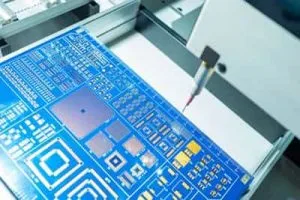
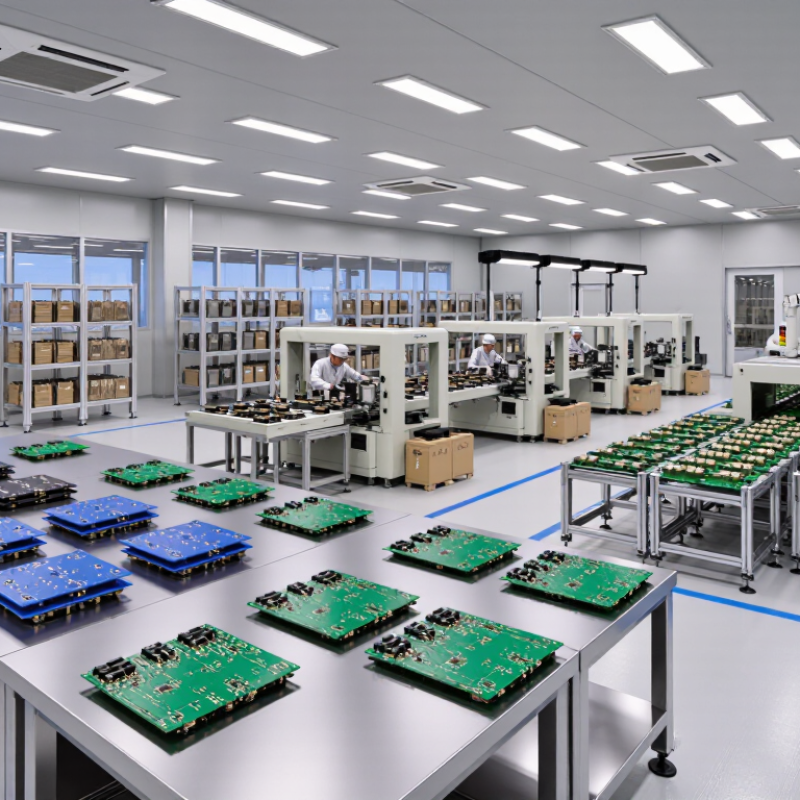
PCB board fabrication manufacturers turn engineering files into physical circuit boards. They transfer copper patterns onto laminate, etch unwanted copper, drill holes, and plate conductive paths through the board. Then they apply solder mask and surface finish, cut panels to shape, and inspect critical features. Small defects matter. A slightly misregistered layer can break a connection or reduce spacing between conductors.
Manufacturers also review design files for production risks, such as narrow traces, crowded vias, or unclear layer notes. They build prototypes and production batches, controlling dimensions, copper thickness, and hole quality. Grand View Research’s Global Printed Circuit Board Market report valued the market at USD 76.12 billion in 2023 and forecast 5.6% annual growth from 2024 to 2030. That scale reflects demand for boards with varied layer counts and increasingly dense layouts. Still, a polished process cannot fix every ambiguous drawing; file review and engineering questions remain essential.
Tips: Share accurate Gerber files, drill data, layer stack-up, and finish requirements. Ask how the supplier checks registration, plated holes, and final electrical continuity. Clear inputs prevent avoidable rework.
Top 10 PCB Board Fabrication Manufacturers Worldwide - What PCB Board Fabrication Manufacturers Do
An overview of ten common PCB manufacturer capability profiles. These are industry categories, not named companies or a ranked supplier list.
| No. | Manufacturer Profile | Typical Board Types | Common Fabrication Capabilities | Typical Applications | Key Sourcing Consideration |
|---|---|---|---|---|---|
| 1 | High-volume rigid-board fabricator | Single-sided, double-sided, and multilayer rigid PCBs | Repeatable panel processing, plated through-holes, solder-mask application, and standard surface finishes | Consumer electronics, appliances, and general industrial controls | Check production capacity, process consistency, and batch traceability. |
| 2 | Advanced multilayer PCB fabricator | High-layer-count rigid boards | Multilayer lamination, controlled-impedance construction, and precise layer registration | Networking equipment, servers, and complex control systems | Confirm stack-up support, impedance control, and inspection documentation. |
| 3 | HDI board fabricator | High-density interconnect (HDI) boards | Laser-drilled microvias, sequential lamination, and fine-line circuit patterning | Compact mobile devices, cameras, and space-constrained electronics | Review the proposed via structure, design rules, and yield controls. |
| 4 | Flexible PCB fabricator | Single- and double-sided flexible circuits | Flexible dielectric processing, coverlay application, and bend-area design support | Wearables, printers, cameras, and moving assemblies | Specify bend radius, expected flex cycles, and stiffener requirements. |
| 5 | Rigid-flex PCB fabricator | Integrated rigid and flexible multilayer boards | Rigid-flex lamination, flex-to-rigid transitions, and formed-circuit production | Aerospace systems, medical equipment, and compact instrumentation | Validate bend zones, material stack-up, and assembly handling requirements. |
| 6 | Metal-core and thermal PCB fabricator | Aluminum-backed and other insulated metal substrate boards | Metal-base preparation, dielectric bonding, and thermal-performance construction | LED lighting, power conversion, and heat-producing electronic assemblies | Compare thermal requirements and the complete substrate stack-up. |
| 7 | High-frequency PCB fabricator | RF, microwave, and controlled-impedance boards | Specialized laminate processing, precise dielectric control, and RF-focused fabrication checks | Wireless communications, radar, and antenna systems | Confirm material availability, frequency requirements, and impedance tolerances. |
| 8 | Heavy-copper PCB fabricator | Rigid power boards with thicker copper features | Heavy-copper etching and plating, with design support for current-carrying paths | Power supplies, motor drives, and energy equipment | Check copper thickness limits, spacing rules, and thermal design needs. |
| 9 | Quick-turn prototype fabricator | Prototype and low-volume rigid boards | Rapid design-rule review, short-run panelization, and common board finishes | Product development, engineering validation, and early-stage testing | Clarify lead time, order quantity, and whether testing is included. |
| 10 | Automotive and high-reliability PCB fabricator | Rigid, multilayer, and application-specific boards | Documented process controls, material management, and inspection suited to demanding applications | Automotive electronics, industrial systems, and other reliability-focused equipment | Verify applicable quality certifications, qualification evidence, and lot traceability. |
Related Posts
-

Future of Printed Circuit Boards: Innovations and Market Trends Shaping 2025 Top+ Digital Landscape
-
2026 Top PCB Board Fabrication Types for Global Buyers
-

Top Strategies for Optimizing Your Printing Circuit Boards Production Process
-

Unlocking the Future: How Advanced Circuit Board Fabrication is Revolutionizing Electronics with 5G and IoT Innovations
-

2026 Best Printed Circuit Board Assembly Techniques and Trends?
-

Top Tips for Sourcing Printed Circuit Board Assembly Suppliers?