










JHY PCB Blog Hub
Your Source for Expert PCB Design, Manufacturing, and Assembly Insights – Stay Informed with 2025 Trends!
China Top 10 Plastic Cup Lids Making Machine Manufacturers
The global demand for practical, hygienic, and recyclable beverage packaging is reshaping cup-lid production. Smithers’ packaging outlook reports continued growth in flexible and rigid plastic packaging through 2029. Grand View Research also identifies foodservice expansion and convenience consumption as major market drivers. These trends are increasing interest in the Plastic Cup Lids Making Machine.
A modern machine does more than form a lid. It controls heating zones, mold pressure, trimming accuracy, cooling time, and material waste. On a factory floor, these details matter. A poorly aligned mold can create uneven sealing edges. Excessive heat can distort stacking performance. Buyers should examine cycle speed, energy consumption, automation, spare-parts support, and testing records. The fastest machine is not always the most economical choice.
Dame Ellen MacArthur, a leading circular-economy authority, has stated, “We cannot recycle our way out of the plastic pollution crisis.” Her warning is relevant to equipment selection. Efficient forming, lightweight design, and compatible materials should be evaluated together. The Ellen MacArthur Foundation and European packaging reports both emphasize design for circularity and resource efficiency. However, supplier rankings can be imperfect. Published specifications may not reflect long-term maintenance, operator training, or real production conditions. This guide examines China’s top ten manufacturers through those practical factors. It considers engineering experience, customization capability, quality systems, delivery reliability, and after-sales service. Readers should still verify certifications, sample output, and factory performance before making a purchasing decision.
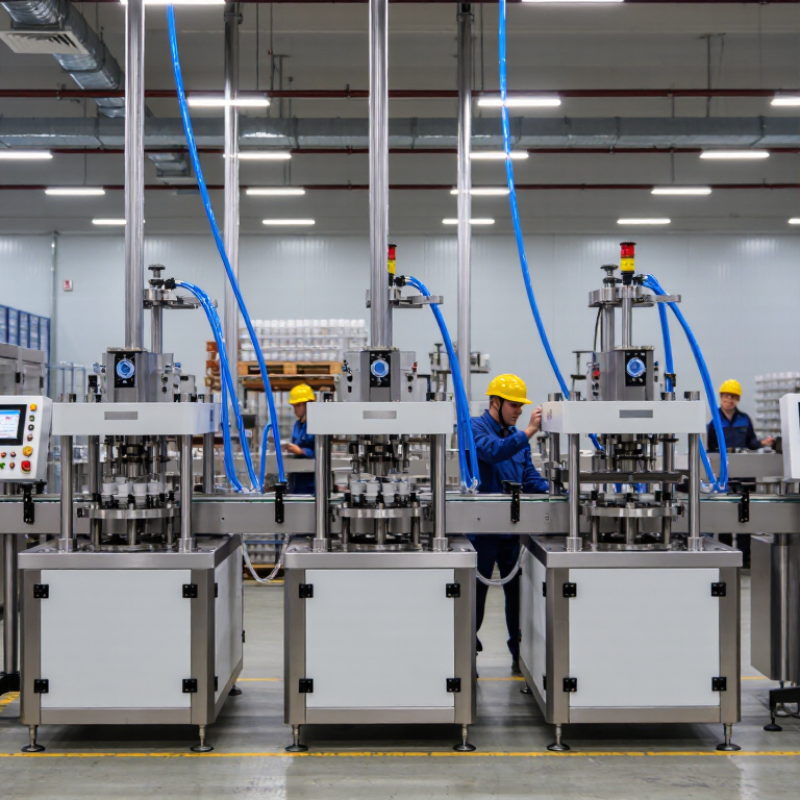
What Plastic Cup Lid Making Machines Are and How They Work
Plastic cup lid making machines are production systems that shape flat plastic sheets into precise, usable lids. They commonly process PP, PET, or other approved thermoforming materials.
The machine first feeds a sheet from a roll or stacked supply. Heated plates then soften the plastic evenly. Temperature control matters because cold areas create weak corners.
The softened sheet moves above a forming mold. Vacuum pressure pulls the material into each cavity, while compressed air or a plug assist can improve depth and wall thickness.
The mold defines features such as drinking openings, sealing rings, and stacking edges. After cooling, cutting tools separate the lids from the sheet. A conveyor usually counts and stacks them for inspection and packing.
Small changes affect results.
Heating too long may cause thin centers, while insufficient heat can produce cloudy surfaces and incomplete shapes. Experienced operators check lid dimensions, sealing performance, surface defects, and stacking stability during production.
Sensors can monitor temperature, pressure, and forming time, but automatic control is not always perfect. Dust, uneven material, or a worn cutting tool may still create defects.
In practice, regular cleaning and sample testing remain necessary. A reliable machine should also support controlled adjustments, traceable records, and materials suitable for the intended cup application.
Key Criteria for Ranking Chinese Machine Manufacturers
Ranking the China top 10 plastic cup lids making machine manufacturers requires more than comparing catalog prices. Practical experience should carry significant weight. A reliable manufacturer understands lid diameter, sealing pressure, material thickness, and production speed. These details directly affect leakage, stacking, and waste.
Engineering capability can be checked through machine trials and documented production data. Ask for sample lids made with your actual resin and mold design. Inspect edge quality under bright light. Measure cycle stability across several hours. Consistency matters. A fast machine is not useful if dimensions drift after heating.
Professional ranking also considers control systems, energy consumption, mold-change time, and operator safety. Clear manuals and responsive technical support show stronger reliability. Manufacturing records, inspection reports, and transparent warranty terms add authority. Customer references can reveal service delays that brochures rarely mention. Data beats promises.
However, no ranking is flawless. A smaller supplier may offer better customization but lack overseas service coverage. A large factory may provide mature processes while charging more for modifications. Evaluate both strengths carefully. Visit the production site when possible. Check machining accuracy, spare-parts storage, and final testing procedures. The best choice should match your lid specifications, output target, maintenance skills, and long-term budget rather than simply occupying a high position.
China Top 10 Plastic Cup Lids Making Machine Manufacturers: Key Ranking Criteria
The chart presents a practical 100-point evaluation framework for comparing Chinese plastic cup lid making machine manufacturers. It focuses on measurable procurement criteria rather than company or brand data.
Higher weights indicate greater importance in supplier selection. Production quality, machine performance, after-sales service, customization capability, compliance, delivery reliability, and total cost are commonly assessed when ranking industrial equipment manufacturers.
China’s Top 10 Plastic Cup Lid Making Machine Manufacturers
China’s leading plastic cup lid making machine manufacturers serve beverage, food, and packaging producers worldwide. Their equipment commonly supports thermoforming, injection molding, or integrated forming and cutting processes. Each method affects lid thickness, cycle time, tooling cost, and material waste.
A reliable manufacturer should show clear machine specifications, mold drawings, test videos, and production samples. Look for servo-driven feeding, stable heating zones, accurate cutting, and simple mold changes. These details matter on a busy factory floor. Small errors become expensive quickly. Experienced suppliers also explain suitable materials, including PP, PET, and compostable alternatives, without making unrealistic claims.
Factory visits or live video inspections can reveal more than polished brochures. Check frame rigidity, electrical cabinet layout, safety guarding, and spare-part availability. Ask how technicians respond when a lid curls, cracks, or sticks to the mold. That answer shows practical knowledge. The top ten manufacturers may differ in automation level, customization ability, and after-sales support. A low purchase price can hide difficult maintenance. A premium machine may still disappoint if the mold design is weak. No ranking is perfect. Buyers should compare trial results, energy use, delivery records, and documented quality controls before choosing a partner.
Machine Types, Features, and Production Capabilities
Plastic cup lid production now depends on matching machine architecture with material, geometry, and volume. Injection molding systems suit rigid lids with precise drinking openings and stacking ribs. Thermoforming lines use heated sheet, forming tools, trimming stations, and automatic nesting. Compression molding can reduce material stress, especially for thin closures.
According to Grand View Research, the global plastic packaging market reached about USD 427 billion in 2023. Its forecast indicates continued growth through 2030. This pressure encourages manufacturers to improve output without sacrificing consistency. Modern injection systems may use eight to forty-eight cavities, depending on lid size and mold design. Servo-driven units commonly reduce movement losses and improve energy control. Thermoforming lines often deliver 20 to 60 cycles per minute, but actual output depends on cooling time and trimming accuracy.
Material choice matters. Polypropylene offers heat resistance and living-hinge performance, while polyethylene can provide greater flexibility. Recycled content may require stronger drying, filtration, and process monitoring. Plastics Europe reported global plastics production of roughly 414 million tonnes in 2023, showing the scale of the supply chain. Still, volume alone proves little. A fast machine can create more rejects. No machine is perfect.
When comparing the top ten manufacturers, buyers should inspect mold-change time, cavity balance, automation depth, cooling capacity, and quality-control systems. Production claims need independent testing. A practical factory trial should measure hourly output, scrap rate, lid fit, and energy use under real conditions. Even small design differences can disrupt stacking or sealing. That detail is easy to underestimate.
How to Choose the Right Chinese Manufacturer for Your Needs
Choosing among China’s top ten plastic cup lid making machine manufacturers requires more than comparing quotations. Define your lid diameter, material, stack speed, sealing style, and monthly output. Ask each shortlisted factory for a live demonstration using your resin and tooling. A polished sample can hide unstable feeding or uneven trimming. Watch the machine for at least two hours. Record cycle time, scrap rate, temperature changes, and operator adjustments. Small details matter.
Request verifiable evidence, not broad promises. A capable manufacturer should provide drawings, electrical layouts, component lists, inspection records, and comparable customer references. Check documentation for applicable safety and food-contact requirements in your target market. Confirm spare-part availability and technician response times. Discuss installation, training, warranty limits, software support, and acceptance testing in writing. An independent inspection can expose problems before shipment.
I once focused too heavily on price and overlooked mold-change time. That mistake could have reduced daily output. My checklist is still imperfect. Now, I request a complete production trial, including startup, shutdown, cleaning, and fault recovery. Visit the workshop when possible. Look for labeled cables, guarded moving parts, calibrated gauges, and clean material paths. Ask how defects are recorded and corrected. A supplier may promise high capacity, yet lack testing staff during peak seasons. Witness the process yourself.


