Top 10 Battery Connector Types You Should Know?
In the world of technology, understanding the various types of Battery Connectors is essential. John Carter, a renowned expert in energy solutions, emphasizes, “The right battery connector can significantly improve performance.” Battery connectors play a pivotal role in ensuring efficient energy transfer in countless devices. From electric vehicles to consumer electronics, they are everywhere.
Each connector type has unique features tailored to specific needs. However, many people overlook their importance. It's not just about connecting wires; it's about ensuring safety, efficiency, and longevity. For instance, improper use of a connector can lead to overheating or failure. A professional's insight can help navigate these complex choices.
In our exploration of the top ten battery connector types, we will touch on their characteristics, advantages, and potential drawbacks. As the industry evolves, staying informed is crucial. With rapidly changing technology, navigating the options can be daunting. Understanding battery connectors can lead to better decisions and improved outcomes.
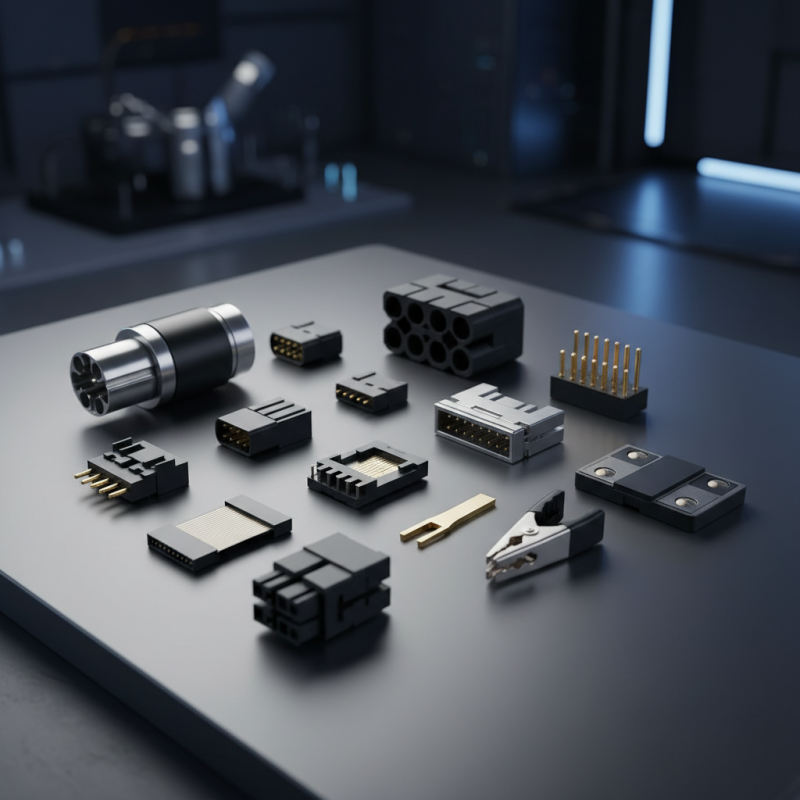
Overview of Battery Connector Types and Their Applications
Understanding battery connector types is essential for various applications, from consumer electronics to renewable energy systems. Each connector has unique features that cater to specific needs. For instance, Anderson connectors are popular in electric vehicles due to their high current capacity and robust design. In contrast, JST connectors are preferred in smaller devices for their compact size and reliability.
It is crucial to choose the right connector for a given application. Mismatched connectors can lead to inefficiencies or safety hazards. For example, using a low-rated connector in a high-current system may cause overheating. Always assess the compatibility of voltage, current rating, and environmental conditions when selecting a connector.
Tips: Conduct thorough research on connector specifications before making a purchase. Test connectors in real-life scenarios to ensure performance. Keep in mind that even established connectors may not fit every situation perfectly. Monitoring connections regularly can help identify wear and potential failure points. This proactive approach can improve the longevity and reliability of your battery systems.
Common Characteristics of Battery Connectors
Battery connectors play a crucial role in the performance and safety of electrical systems. They are essential for facilitating connections between batteries, devices, and power sources. The choice of connectors can impact efficiency, ease of installation, and maintenance. According to a recent industry report by Technavio, the battery connector market is expected to grow by 10% annually through 2025. This growth highlights the increasing importance of understanding connector types.
Most battery connectors share common characteristics. They must handle high current loads and have robust insulation to prevent short-circuits. Effective connectors reduce voltage drop and heat generation during operation. Many connectors utilize materials like copper for conductivity and thermoplastics for insulation, ensuring durability. However, improper sizing or selection may lead to overheating or failure. This is an area where many users need to reflect on their choices.
Another key aspect is the physical design. Connectors come in various shapes and sizes to accommodate different applications. Many have specific latching mechanisms which ensure secure connections. However, not all connectors are user-friendly. Some designs can be challenging to connect or disconnect, leading users to struggle with installation. A focus on connector ergonomics can help mitigate this issue and enhance user experience in the future.
Top 10 Battery Connector Types You Should Know
Top 10 Popular Battery Connector Types Explained
When discussing battery connectors, knowledge is key. Understanding various types can enhance your projects. Among the common types are Anderson connectors, ideal for high-current applications. These connectors offer fast disconnect options and are highly reliable.
Another popular choice is the XT60 connector, commonly used in the RC hobby. It’s known for its secure fit and ability to handle significant current loads. However, ensure you’re using them correctly; improper installation can lead to failure.
Tips: Always check the connector’s rating. Match it to your device’s requirements. Doing so prevents overheating and potential damage.
Consider using deans connectors for smaller setups. Their compact design saves space while providing great performance. Always remember to secure connections; loose fittings can cause inconsistent power flow.
Investing time in choosing the right connector can save headaches later. Improper connectors often lead to failures that could have been avoided. Knowing which type to use in various situations enhances safety and efficiency.
Top 10 Battery Connector Types You Should Know
| Connector Type | Features | Common Applications |
| Molex Connector | Compact, reliable, and easy to disconnect. | Consumer electronics, automotive. |
| JST Connector | Small size, major use in lightweight applications. | RC vehicles, battery packs. |
| Anderson Powerpole | High current capacity, modular design. | Power distribution, robotics. |
| Deans Connector | Low resistance, high reliability. | RC cars, high-performance models. |
| XT60 Connector | Designed for high current applications. | Electric vehicles, drones. |
| Battery Snap Connector | Simple design, easy to attach/detach. | Toys, low-power devices. |
| USB Connector | Widely used, provides power and data transfer. | Mobile devices, laptops. |
| Tamiya Connector | Common in RC applications. | Models, RC vehicles. |
| BEC Connector | Provides auxiliary power to systems. | Flight controllers, servos. |
| DIN Connector | Durable and can handle multiple pins. | Audio equipment, lighting. |
Factors to Consider When Choosing Battery Connectors
Choosing the right battery connector is crucial for performance and safety. Consider the application when selecting. Different setups require different connector types. Think about the current ratings and environmental conditions. Are they indoors or outdoors? Each scenario demands specific materials and protection levels.
Tip: Always assess the connector's compatibility with your battery type. Mismatched connectors can lead to overheating or failure.
Size is another important factor. Ensure the connector fits well in your intended space. A bulky connector in a compact design is often problematic. Evaluate the ease of installation too. Complex connectors may require special tools, adding time and cost.
Tip: Check for user reviews on connector performance in real-world applications. This helps you gauge reliability.
Don’t overlook the thermal management aspects. High temperature can weaken connectors. Look for materials that withstand higher heats. Pay attention to how the connectors are shielded. Good insulation is necessary for safety.
Tip: Consult with a professional if you’re uncertain. They can provide insights based on practical experience.
Maintenance and Troubleshooting Tips for Battery Connectors
Battery connectors are crucial for the performance of your devices. Regular maintenance can enhance their lifespan. Start by inspecting connectors for corrosion. Corrosion often appears as a white or greenish residue. This buildup can prevent a proper connection, leading to device failure. Use a soft brush to clean connectors, but be gentle. Over-scrubbing can cause damage.
Check the connections for tightness. Loose connectors can lead to intermittent power, which is frustrating. Consider using a multimeter to test the voltage at the connector. This helps identify any issues. If you notice a drop in voltage, it may indicate a connector problem. Replacing faulty connectors promptly can save time and energy.
Proper storage also plays a vital role in maintenance. Keep connectors dry and away from extreme temperatures. This protects against wear and tear. Reflect on your usage habits. Are you frequently exposing connectors to harsh conditions? Adjusting your handling routine can further prevent issues. Regular checks and mindful storage will help ensure your battery connectors function smoothly.