Top 10 Tips for Using a Gasoline Parking Heater Effectively?
As winter approaches, many drivers face the challenge of keeping their vehicles warm. A Gasoline Parking Heater is an excellent solution. According to industry reports, these heaters can improve comfort and vehicle performance in cold conditions. They help prevent engine blockages and ensure comfortable cabin temperatures.
Many drivers underestimate the importance of proper usage. Using a Gasoline Parking Heater efficiently can enhance fuel economy and extend the heater's lifespan. Misuse could lead to decreased efficiency and increased wear over time. Experts suggest that consistent maintenance and understanding specific settings can optimize performance.
Moreover, awareness of safety and environmental factors is crucial. Reports indicate that improper use can lead to harmful emissions. Many users also fail to consider local regulations regarding heater use. Efficient utilization of a Gasoline Parking Heater means understanding both benefits and limitations, ensuring a balanced approach to winter driving.
Understanding the Basics of Gasoline Parking Heaters
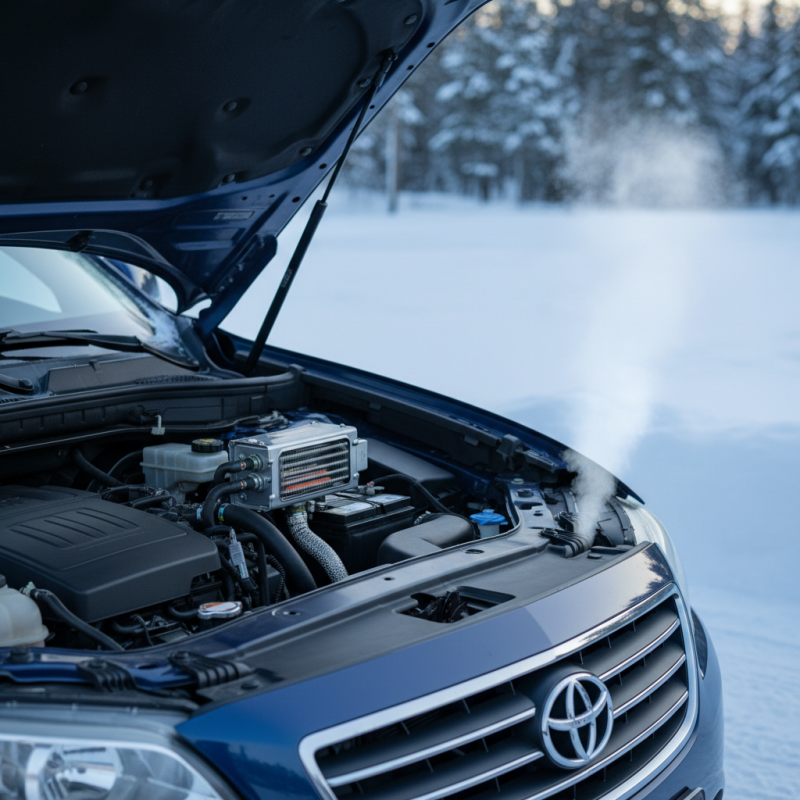
Gasoline parking heaters are practical devices that provide warmth for vehicles in cold weather. Understanding how they work is crucial for effective use. These heaters operate by burning gasoline, which generates heat to warm the engine and cabin. The heating process typically starts when the heater is activated. Exhaust gases are expelled outside, while heated air circulates within the vehicle.
However, users often overlook maintenance. Regular checks ensure that the fuel line is clear. It’s important to inspect the combustion chamber too. A dirty chamber can reduce efficiency. Moreover, incorrect operation can lead to safety issues, like exhaust leaks. Users should familiarize themselves with the heater’s manual. Ignoring these details can lead to frustrating and sometimes dangerous situations.
In practice, not every heater delivers the same performance. Factors like outside temperature and fuel quality significantly impact efficiency. Some owners might find that their heater takes longer to warm up than expected. Adjusting expectations can lead to a better experience. Take note of unusual sounds or smells during operation, which could indicate a problem. Reflecting on these nuances can help ensure a smoother and safer heating process.
Top 10 Tips for Using a Gasoline Parking Heater Effectively
| Tip Number | Tip | Description | Benefits |
| 1 | Read the Manual | Familiarize yourself with the manufacturer's instructions. | Ensures safe and optimal operation. |
| 2 | Check Fuel Levels | Always start with sufficient fuel in the tank. | Prevents heater shutdown mid-operation. |
| 3 | Ventilation is Key | Ensure proper airflow around the heater. | Reduces the risk of carbon monoxide buildup. |
| 4 | Regular Maintenance | Inspect and clean the heater regularly. | Enhances performance and longevity. |
| 5 | Safe Distance | Position the heater away from flammable materials. | Prevents fire hazards. |
| 6 | Temperature Settings | Adjust settings according to conditions. | Maximizes efficiency. |
| 7 | Timing is Everything | Use a timer for optimal heating times. | Saves fuel and reduces wear. |
| 8 | Know Your Limits | Understand the heater's capabilities. | Avoids overloading and damage. |
| 9 | Emergency Preparedness | Keep a fire extinguisher nearby. | Ensures safety in case of fire. |
| 10 | Monitor Usage | Keep track of fuel and time usage. | Optimizes performance and fuel efficiency. |
Choosing the Right Gasoline Parking Heater for Your Needs
When selecting the right gasoline parking heater, size and heating capacity are crucial factors. A heater that is too small will struggle to warm your vehicle. According to a recent industry report, parking heaters should provide between 2 to 5 kilowatts of heat for typical passenger vehicles. A heating capacity over 3 kilowatts may be ideal for larger vehicles. This ensures a comfortable temperature during cold months.
Consider the fuel efficiency of your heater as well. Some models may consume more gasoline than others, leading to higher costs in the long run. A study indicated that an efficient gasoline parking heater can reduce fuel consumption by up to 20%. This can make a significant difference if you frequently use the heater.
Don’t overlook the installation process either. An improperly installed heater can lead to safety hazards and poor performance. Many users have highlighted this issue in surveys, expressing frustrations with complicated setups. Therefore, it's essential to evaluate your technical skills or seek professional help if necessary.
Optimal Installation Techniques for Maximum Efficiency
When installing a gasoline parking heater, optimal placement is crucial. Position it away from flammable materials. The heater should be mounted near the vehicle's center of gravity. This provides stable heat flow. A good location helps prevent any unnecessary fuel loss, enhancing efficiency. According to recent studies, proper positioning can increase heater performance by 20%.
Ventilation is another key factor. Ensure the heater has adequate air intake. Blocked vents lead to reduced effectiveness and can cause safety issues. Clean filters regularly to maintain airflow. Industry data indicates that heaters with proper ventilation last 30% longer than poorly vented units.
Another consideration is insulation. Insulating the area around the heater can retain heat longer. However, over-insulation may cause heat buildup, which is dangerous. Regular checks for wear can prevent malfunctions. While these steps improve efficiency, installation mistakes may lead to frustration and safety hazards. Always review your setup periodically for needed adjustments.
Best Practices for Operating Your Parking Heater Safely
Using a gasoline parking heater can enhance comfort during cold weather. However, safety is crucial. Always ensure you park your vehicle in a well-ventilated area. This helps prevent harmful fumes from accumulating. Open the windows slightly if it’s safe to do so.
Check the heater's condition regularly. Look for oil leaks or damaged hoses. Inspect the fuel supply line to ensure it’s secure. These small checks can prevent bigger issues. Never leave the heater running unattended. This is a common oversight that can lead to fires or carbon monoxide build-up.
Be mindful of the surrounding area. Keep flammable materials away from the heater. This includes things like paper or clothing. Consider using a carbon monoxide detector nearby. It adds an extra layer of safety. Remember, no heater is infallible. Regular maintenance and cautious operation are key. A less-than-perfect approach might lead to unexpected challenges.
Top 10 Tips for Using a Gasoline Parking Heater Effectively
Maintenance Tips to Extend the Life of Your Gasoline Heater
Maintaining a gasoline parking heater is crucial for its longevity. Regular maintenance can prevent breakdowns and save money. Clean the fuel filter every six months. A clogged filter can reduce efficiency. Ensure the exhaust pipes are clear to avoid hazardous fumes. Check for any signs of rust or wear.
Proper usage is equally important. Always follow the manufacturer's guidelines for operation. This ensures safety and efficiency. Avoid running the heater for prolonged periods. Overuse can lead to unnecessary strain. Monitor the fuel levels closely to prevent running out unexpectedly.
Seasonal checks are essential. Before winter, inspect connections and seals. Look for cracks or leaks in the fuel system. Addressing small issues early can prevent larger problems later. Neglecting these checks can lead to costly repairs. Keeping a maintenance log helps track any changes or repairs done. This practice can be quite revealing over time.