











JHY PCB Blog Hub

Your Source for Expert PCB Design, Manufacturing, and Assembly Insights – Stay Informed with 2025 Trends!

7 Tips for Choosing a 2 Cylinder Diesel Generator

Choosing a 2 Cylinder Diesel Generator is not just a matter of comparing prices or engine ratings. The right unit should match the work it will actually do, whether that means powering a small workshop, supporting a farm, or providing backup during outages. A generator that looks suitable on paper may struggle when several motors start at once. Real loads can be less tidy than a specification sheet suggests.

Start with the equipment you need to run, then check its starting and continuous power requirements. Confirm whether the published rating is for prime or standby use, and ask how temperature, altitude, and operating hours affect performance. Small details matter. A pump’s startup surge, for example, can change the size you need. Fuel consumption, cooling, noise, and access to routine service parts also deserve attention. A low purchase price is less reassuring if filters or repairs are difficult to arrange.

This guide presents seven practical tips for comparing models, checking specifications, and assessing suppliers. It focuses on details buyers can verify, including warranty terms, service support, and maintenance intervals. Do not rely on a brochure alone. Request the full datasheet and compare ratings on the same basis. Even careful planning has limits: future loads may grow, and site conditions can be overlooked. A qualified technician can review your calculations before purchase, especially when the generator will support critical equipment. The best choice is not always the largest or most powerful. It is the unit that fits the load, location, budget, and service plan—with enough margin to operate reliably.
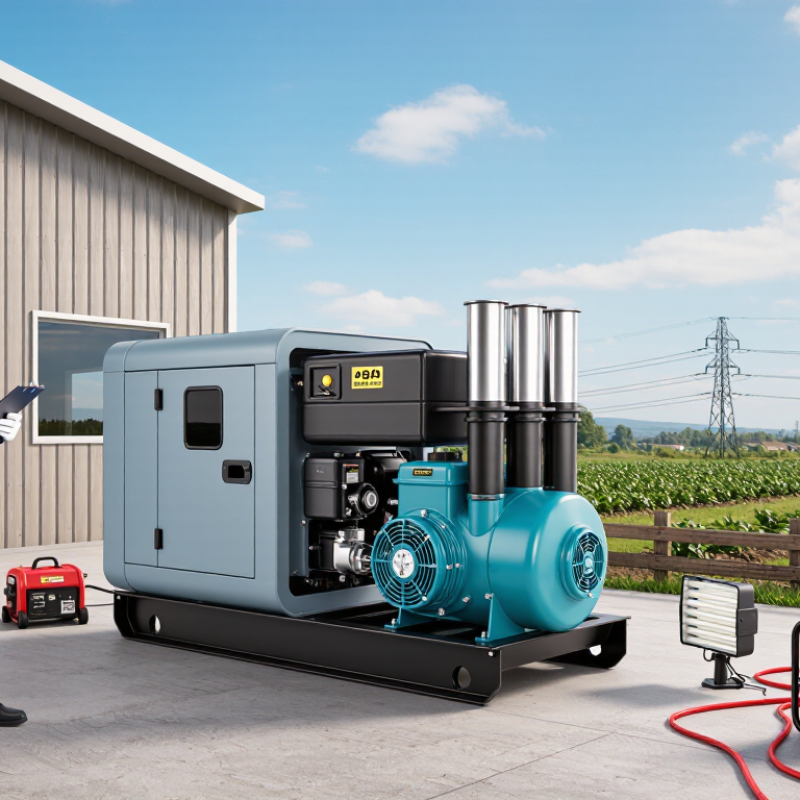
7 Tips for Choosing a 2 Cylinder Diesel Generator

Determine Your Power and Load Requirements

Determine the loads before comparing generator ratings. Write down each appliance’s running watts from its nameplate, then note starting watts for motors, pumps, and compressors. A refrigerator marked 1,200 running watts might briefly demand much more at startup; use its stated surge figure, not a guess. Add only equipment that must operate together, and convert watts to kilowatts by dividing by 1,000. Start with essentials. A practical list might include a well pump, freezer, lighting, and a small control system—not every outlet in the building.

The U.S. Energy Information Administration’s 2023 analysis of 2022 Form EIA-861 data reported an average 5.6 hours of power interruptions per U.S. customer, including major events. That figure is not a sizing rule, but it supports planning for actual outage needs: identify critical loads and estimate how long they must run. Compare your total running load and largest simultaneous starting demand with the generator’s rated output. Check whether its rating is in kW or kVA; power factor can make those figures differ. Leave operating margin and confirm the intended duty rating in the manufacturer’s technical documentation. Estimates are imperfect. Recheck the list against nameplates, especially when loads start together.

Compare Engine Design, Output, and Performance

7 Tips for Choosing a 2 Cylinder Diesel Generator
Compare Engine Design, Output, and Performance

A two-cylinder diesel engine can suit compact backup systems, but cylinder count alone does not predict usable output. Compare rated kilowatts, kilovolt-amperes, and power factor against the actual load. Motors, pumps, and compressors may draw a brief surge when starting. Leave headroom for that spike. Check whether the rating is standby, prime, or continuous; they describe different duty conditions. A neat spec sheet can still hide a poor match.

Engine layout affects vibration, cooling, and maintenance access. Two cylinders produce distinct firing pulses, so inspect the mounting frame and ask for measured vibration data. Check that filters, belts, and service points remain reachable after installation. The U.S. EPA’s 2017 Catalog of CHP Technologies reports electrical efficiency up to about 45% for compression-ignition reciprocating systems in CHP applications. That figure is not a promise for every small generator: configuration and operating conditions matter. Compare fuel-use figures at several loads, not just full output. Test it with the equipment it must run. Real loads can surprise you. A short site test may expose voltage dips or excessive noise that a brochure misses. Read the test conditions closely, and question any number without them.

7 Tips for Choosing a 2-Cylinder Diesel Generator: Output and Fuel Use

Compare representative generator sizes by rated electrical output and estimated fuel use at 75% load.

Fuel-use figures are planning estimates based on approximately 0.33 liters per kilowatt-hour at 75% load; actual consumption varies by engine, alternator, and operating conditions. When comparing models, check continuous (prime) output, startup surge capacity, rated speed, cooling, noise, emissions compliance, and service access. Choose enough capacity for your loads without sizing solely by peak output.

Assess Fuel Consumption, Runtime, and Operating Conditions

Fuel use depends on load, not just engine size. A two-cylinder diesel generator running near its rated output will usually consume more fuel per hour than one carrying a light load. Ask for fuel-consumption figures at several load levels, especially the level your equipment will actually demand. Check whether the published rating is for continuous or standby use; those figures are not interchangeable. It is tempting to treat tank capacity as a runtime promise. That is too simple. Estimate operating hours by dividing usable fuel by expected hourly consumption, then allow for a reserve and changing demand. Keep a log during the first few operating sessions. Real readings can differ from estimates.

Operating conditions matter, too. High temperatures, dusty air, altitude, and frequent cold starts can affect performance or maintenance needs. At higher elevations, available engine output may decrease, so confirm the manufacturer’s derating guidance before sizing the generator. Provide clear ventilation and keep the air intake away from dust and exhaust. Avoid running a diesel engine at very low load for long periods; check the manual for suitable loading and service intervals. Cold mornings are harder. Fuel quality, battery condition, and the correct oil grade can all influence starting. One detail people sometimes miss: a larger tank adds weight and may not be useful if the site requires frequent refueling access.

Inspect Build Quality, Safety, and Maintenance Needs

A two-cylinder diesel generator should feel rigid, not merely look polished. Inspect frame welds, lifting points, fasteners, and the enclosure seams. Look for cracked paint around joints, loose wiring, and fuel or oil seepage. Open the service panels: filters, belts, drain points, and the battery should be reachable without dismantling nearby parts. A neat control panel is reassuring, but it proves little about workmanship. Ask for documented load-test results and clear service records.

Safety deserves the same scrutiny as build quality. Check for guarded belts and hot surfaces, a reachable emergency stop, secure grounding points, and instructions for exhaust routing.

The U.S. Consumer Product Safety Commission’s 2023 report estimated an average of 85 annual deaths from carbon monoxide poisoning involving portable generators during 2017–2019. That figure covers portable generators generally, not diesel units alone, but it shows why ventilation and exhaust placement matter.

Never judge safe operation by smell; carbon monoxide has no odor.

Maintenance access affects long-term reliability. Confirm the required oil, coolant, fuel-filter, and battery checks, then compare the schedule with the engine manual and applicable standby-power guidance. Ask how local technicians obtain parts and whether routine servicing needs special tools.

A slightly awkward panel may seem minor. It can become a real burden during a cold, rushed inspection. I would also check whether maintenance logs record hours, faults, and corrective work; gaps deserve questions, not assumptions.

Review Certifications, Warranty, and Supplier Support

For a two-cylinder diesel generator, request documents that prove how the unit was tested—not just a certificate logo. ISO 8528-5 classifies generator-set performance, while ISO 8528-6 describes test methods; ask for the actual test report and operating conditions. Check whether emissions documents apply to your installation location. The U.S. Energy Information Administration’s 2022 reliability data reported about 5.5 hours of power interruptions per customer, including major events. That figure makes readiness more than a paperwork issue. Ask the supplier to explain the test load, voltage stability, and whether the unit was tested with its standard control panel.

Read the warranty before comparing prices. Confirm the coverage period, operating-hour limit, parts and labor terms, and exclusions for dust, high temperatures, or infrequent use. Get the maintenance schedule in writing. A warranty can look generous, yet a nearby service technician may matter more during a real failure. Ask how quickly the supplier can provide common parts, whether technicians are available locally, and what support is offered after business hours. Small details matter. Request names of service locations, not just a general promise of “nationwide support.” I would also ask for a sample service record; it can reveal what routine care actually involves. Some buyers overlook this, and I might too if the purchase deadline were tight.

7 Tips for Choosing a 2 Cylinder Diesel Generator - Review Certifications, Warranty, and Supplier Support

Tip Evaluation Dimension What to Verify Practical Check
1 Load and rated output Compare the generator’s continuous and standby ratings, voltage, frequency, and phase with the intended loads. Ratings and available configurations vary by model and market. List running and starting loads, and ask a qualified electrical professional to confirm sizing and required starting capacity.
2 Applicable standards Check which standards and regulations apply in the destination market. ISO 8528 covers generating sets; it is a series of standards, so request the relevant part and supporting documentation. Ask for the exact standard, edition, and test or conformity documents—not just a general claim of compliance.
3 Emissions and local rules Emissions requirements depend on jurisdiction, engine category, power rating, intended use, and installation date. A generator’s eligibility cannot be determined from cylinder count alone. Confirm the applicable emissions rules with the local regulator or an authorized compliance professional before ordering.
4 Documentation and traceability Review the engine and alternator specifications, serial-number identification, wiring information, operator manual, and maintenance instructions. Request documents for the exact proposed configuration and verify that model details are consistent across the quotation and technical records.
5 Warranty coverage Warranty duration, hour limits, exclusions, and coverage differ by supplier and product. Check whether parts, labor, travel, and transport are included. Get the full written warranty and confirm when coverage starts, how claims are handled, and what maintenance records are required.
6 Parts and service support Assess the availability of qualified technicians, routine service parts, technical assistance, and repair procedures in the operating area. Ask for local service contact details, typical parts-ordering arrangements, and a clear escalation route for equipment downtime.
7 Operating conditions and total cost Account for duty cycle, ambient temperature, altitude, enclosure, noise limits, fuel use, maintenance, and installation requirements. Performance may change with site conditions. Request a configuration-specific quotation and operating data, then compare purchase, installation, fuel, service, and lifecycle costs.
Scroll to Top