What Are Print Inspection Systems and How Do They Work?
Print Inspection Systems play a vital role in quality control across various industries. These systems ensure that printed materials meet specific standards. Recent studies show that an estimated 30% of all printing defects go undetected during regular inspections. This statistic highlights the importance of advanced technologies in maintaining print quality.
These systems use high-resolution cameras and software to detect flaws. They can identify discrepancies in color, text alignment, and even small defects. According to industry reports, nearly 70% of manufacturers have adopted some form of automated inspection in their processes. This shift helps minimize human error and improves overall efficiency.
However, implementing Print Inspection Systems is not without challenges. Some businesses struggle with system integration into existing workflows. Additionally, the initial investment can be a barrier for smaller companies. As the printing industry evolves, these systems require constant updates to keep pace with new technologies and standards. Understanding their limitations is essential for maximizing their benefits.
Definition of Print Inspection Systems and Their Purpose
Print inspection systems are vital in modern manufacturing. They ensure print quality and compliance with brand standards. By detecting anomalies during production, these systems help maintain the integrity of printed products. According to industry reports, nearly 30% of printed materials are rejected due to quality issues. This shows a significant need for reliable inspection systems.
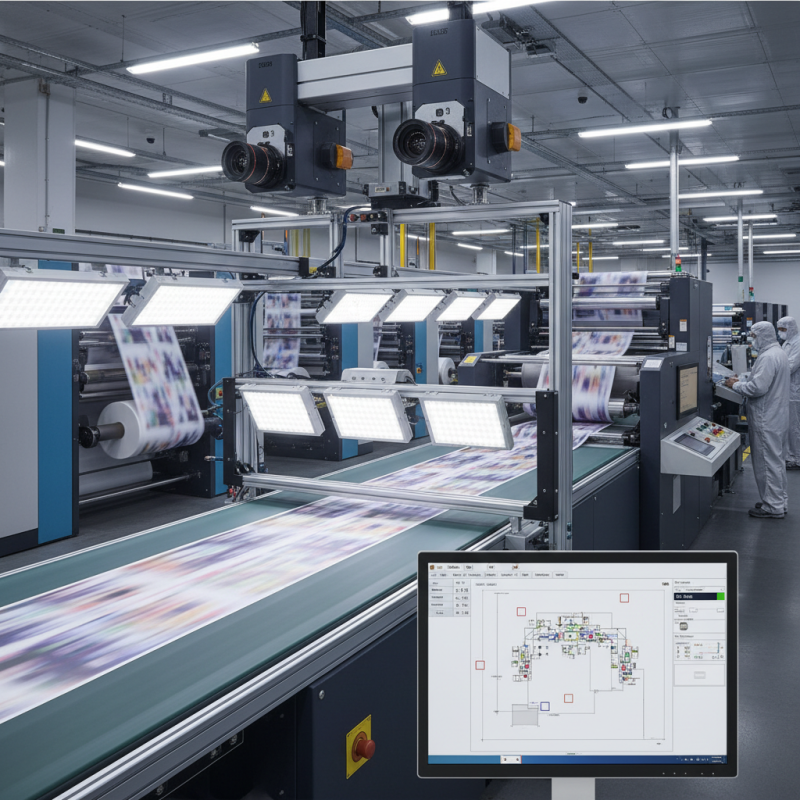
The primary purpose of print inspection systems is to identify errors in real-time. They use cameras and software to analyze prints for defects. Common issues may include misalignment, ink smudges, or missing elements. Studies suggest that implementing these systems can reduce waste by up to 50%. This not only saves costs but also improves overall production efficiency.
However, challenges remain. Many companies struggle with integrating these systems into existing workflows. The learning curve can be steep, leading to initial setbacks. Additionally, not all inspection systems are created equal. Some may miss subtle defects that could affect customer satisfaction. Continuous evaluation and improvement are essential for maximizing their effectiveness. Print inspection systems can significantly enhance quality assurance if applied thoughtfully.
Print Inspection Systems Performance Metrics
Key Components of Print Inspection Systems
Print inspection systems play a crucial role in maintaining quality in various printing processes. The key components of these systems include cameras, lighting, and software analytics. Cameras scan printed materials for defects. They capture images with high resolution. The lighting is critical. Proper lighting enhances image clarity. This helps in detecting issues, such as color inconsistencies or misprints.
Software analytics process the images captured by the cameras. It can identify defects quickly. Alerts can be sent to operators in real-time. This reduces downtime. However, not all defects are always detected. Some may slip through the cracks. Regular software updates are essential to improve detection rates.
Tips: Always calibrate your cameras regularly. This ensures consistent quality checks. Additionally, train staff to recognize potential flaws. Sometimes, human observation catches what machines may miss. Remember, a balance of technology and human insight is vital for optimal performance.
How Print Inspection Systems Operate: A Step-by-Step Process
Print inspection systems are essential in the manufacturing sector. They catch defects that can compromise quality. These systems use advanced technology to deliver accurate inspections. The process can be broken down into several clear steps.
Initially, the printed material is scanned using high-resolution cameras. These cameras capture images at remarkable speeds. According to a recent industry report, automated inspection can reduce errors by up to 90%. This efficiency saves time and resources. After capturing the image, software analyzes the data. It identifies any irregularities, such as misprints or color mismatches.
Once the analysis is completed, results are generated. The system marks any defects for human review. However, not all systems are flawless. There are instances where defects slip through unnoticed. This highlights the need for continuous monitoring and improvement. Regular training for operators is essential as well. This step ensures that systems remain accurate and efficient in the long run.
What Are Print Inspection Systems and How Do They Work?
| Dimension | Description | Functionality |
| Detection Method | Utilizes cameras and sensors to detect inconsistencies. | Real-time monitoring during the printing process. |
| Types | Inline and offline systems. | Allows for flexibility based on production needs. |
| Applications | Used in packaging, labels, and printed materials. | Ensures quality control across different printing applications. |
| Benefits | Reduces waste and improves product quality. | Enhances production efficiency and brand reputation. |
| Technology Used | Includes image processing algorithms and machine learning. | Allows adaptive learning for better accuracy over time. |
Types of Technologies Used in Print Inspection
Print inspection systems play a crucial role in quality control. Various technologies are employed to ensure high standards in printed materials. Visual inspection systems rely on human oversight but can be subjective. They require skilled operators to detect defects. This process can be slow and inefficient.
Automatic inspection systems utilize cameras and sensors. These systems analyze prints in real-time. They can identify color variations, alignment issues, and missing elements quickly. This technology enhances productivity and reduces errors significantly. Advanced software algorithms help improve detection accuracy. However, implementing such systems can be costly and complex.
Tips: Regularly calibrate your inspection systems. This ensures consistent performance. Training staff is essential for optimal operation. Encourage feedback to refine your processes. Always evaluate if the current technology meets your needs. Continuous improvement leads to better quality outcomes.
Advantages of Implementing Print Inspection Systems in Production
Print inspection systems play a crucial role in ensuring quality control in production. By using advanced imaging technology, these systems detect defects in printed materials. They analyze colors, patterns, and text for any inconsistencies. This process minimizes human error, which is often unavoidable in manual inspections.
Implementing print inspection systems brings several advantages. First, they enhance efficiency in production lines. Automated checks can identify issues in real-time, reducing the need for rework. This can significantly lower costs in the long run. Companies report a decrease in waste, as defects are caught before products reach consumers. However, integrating these systems may present challenges. Staff must adapt to new technologies, which can create resistance. Training is essential but can be time-consuming.
Moreover, print inspection systems can improve customer satisfaction. Delivering flawless products builds trust with consumers. Yet, reliance on technology can lead to overconfidence. It’s crucial to maintain regular manual checks as a backup. Balancing automation and human oversight is vital to achieving the best quality. Embracing these solutions fosters innovation and aligns with modern production demands.