What is a Miniature Circuit Breaker and How Does It Work?
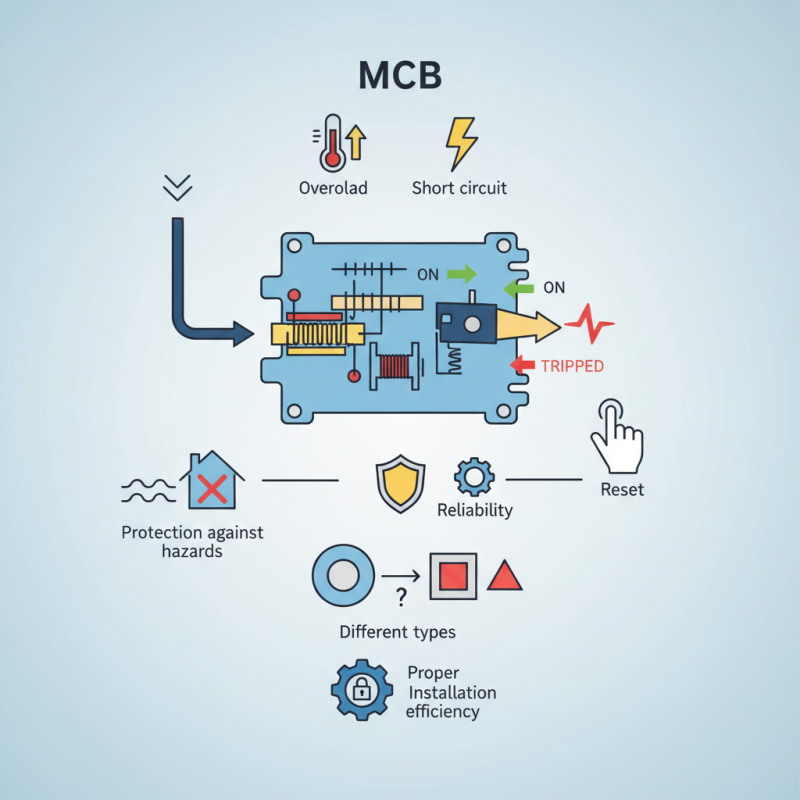
A Miniature Circuit Breaker (MCB) is an essential device in electrical systems. It protects circuits from overloads and short circuits. Understanding how an MCB works is crucial for safe electrical installations.
An MCB acts as a switch that automatically cuts off the power. When excess current flows through, it senses the change. In a split second, the MCB trips, stopping the current. This action protects equipment and prevents fire hazards. MCBs offer reliability and are easy to reset.
However, not all MCBs are created equal. Choosing the right type requires careful consideration. Factors like current rating and trip characteristics matter. A basic understanding often leads to confusion. This can result in improper installations, causing potential risks. It's vital to reflect on these details for safety and efficiency.
What is a Miniature Circuit Breaker (MCB)?
A Miniature Circuit Breaker (MCB) is a crucial device in electrical systems. It automatically switches off electrical circuits during overloads or short circuits. This prevents potential hazards, such as electrical fires. MCBs are compact and can easily fit into electrical panels. They provide an effective solution for protecting homes and industrial setups.
MCBs operate by using an electromagnet or a bimetallic strip. When the current exceeds safe levels, the heat generated or electromagnetic force trips the switch. This mechanism is fast and reliable. You might wonder how often these devices should be tested. Regular testing is essential to ensure they function correctly. It's not uncommon for MCBs to be overlooked, yet they can fail if not maintained.
Installation of MCBs requires careful consideration. The right rating must match the connected load. Overrating can lead to inadequate protection, while underrating may result in frequent trips. Understanding these components is vital for optimal safety and performance. After all, neglecting proper installation can be a costly mistake.
The Role of Miniature Circuit Breakers in Electrical Systems
Miniature Circuit Breakers (MCBs) play a crucial role in electrical systems. They protect circuits from overloads and short circuits. When excessive current flows, the MCB trips, interrupting the circuit. This quick response prevents potential fire hazards or damage to appliances. It’s a small device but packs a powerful punch.
When selecting MCBs, consider the amperage rating. Each device is designed for specific loads. If the rating is too high, the MCB may not trip in dangerous situations. If it's too low, it could trip unnecessarily, causing inconvenience. Testing your system regularly is vital. These checks can reveal hidden flaws. Pay attention to frequent trips; it may indicate underlying issues.
Tips: Always ensure that the MCB matches the wire gauge. Incorrect sizing can lead to dangerous scenarios. Regular maintenance is essential; dust and dirt can affect the tripping mechanism. Consider labeling your circuits for clarity. This simple step can save time during troubleshooting. Remember, even small electrical flaws deserve attention. Ignoring them can lead to bigger problems later on.
How MCBs Operate: Mechanisms and Technologies Explained
Miniature Circuit Breakers (MCBs) are essential safety devices in electrical circuits. They protect circuits by automatically switching off when they detect overload or a short circuit. The mechanism works through a bimetallic strip or an electromagnetic device. When excessive current flows, the heat generated bends the strip, tripping the switch. Alternatively, a magnetic coil can sense a sudden surge, causing immediate disconnection.
These devices come in various ratings and specifications. This variety allows for flexibility in applications, from residential to industrial use. However, not all MCBs are created equal. In some cases, installation might be done incorrectly, leading to malfunctions. Proper selection and installation are crucial. Users often overlook these aspects, resulting in potential hazards or unnecessary outages.
Understanding their function is key to using MCBs effectively. Regular testing is essential to ensure they operate correctly. This practice could prevent failures and improve safety. A well-maintained MCB can be the difference between a minor inconvenience and a serious incident. While they are reliable, a proactive approach is necessary to keep them in top shape.
Understanding Miniature Circuit Breakers (MCBs)
This chart illustrates the number of devices available for various MCB ratings, showcasing their distribution across common current ratings used in electrical installations.
Industry Standards and Ratings for Miniature Circuit Breakers
Miniature Circuit Breakers (MCBs) are essential for electrical safety. They protect circuits from overloads and short circuits. Knowing the industry standards and ratings for MCBs is crucial when choosing the right one.
MCBs come in various ratings, typically measured in amperes. Common ratings include 6A, 10A, 16A, 20A, and 32A. The rating you need depends on your application. Always consider the appliances you will connect. For instance, a 16A MCB may not be suitable for high-power devices. This oversight can lead to circuit failure and potential hazards.
Tip: Check the current rating of your devices. Match this with the MCB rating.
Testing is vital. MCBs have different types based on their trip characteristics. Type B is suitable for domestic use, while Type C is ideal for commercial applications. However, using the wrong type can be risky. Sometimes, a Type B MCB may not trip as expected, potentially allowing overload damage.
Tip: Regularly test your MCBs to ensure they function correctly.
Understanding MCB standards helps prevent electrical issues. Do not ignore the details in specifications. They ensure you select the right protection for your system. As always, seek guidance from professionals if unsure.
Benefits of Using MCBs Over Traditional Fuses in Electrical Safety
Miniature Circuit Breakers (MCBs) have gained popularity for various reasons. Unlike traditional fuses, MCBs automatically reset after tripping. This feature makes them convenient for everyday use. If there’s a fault, the MCB cuts off the power, preventing potential hazards. Once the issue is resolved, simply flipping the switch restores the flow of electricity.
One notable advantage of MCBs is their speed. They react to overloads and short circuits much faster than fuses. Fuses can take longer to blow, which can lead to damage. MCBs can also be tested easily, ensuring they function correctly over time. Their compact design allows for space-saving installations. However, some users may overlook their maintenance needs.
Lastly, MCBs contribute to electrical safety in a more efficient way. They are less likely to be bypassed, unlike fuses. This can lead to dangerous situations. In addition, MCBs offer a range of ratings to protect specific circuits. Users must select the right one for optimal protection. Making the wrong choice can lead to issues. While MCBs are advanced, awareness of their limitations is crucial.