What You Need to Know About Printed Circuit Board Assembly?
Printed Circuit Board Assembly (PCBA) is a crucial step in electronics manufacturing. According to Dr. Emily Santos, a leading expert in the field, "Effective PCB assembly can significantly impact the overall performance of electronic devices." Her insights shed light on the importance of precision and quality in the assembly process.
In a digital age, where electronics power our daily lives, understanding PCBA is essential. Small errors in this stage can lead to faulty devices. For example, a misaligned component can cause circuit failure. Each stage, from soldering to inspection, demands high standards.
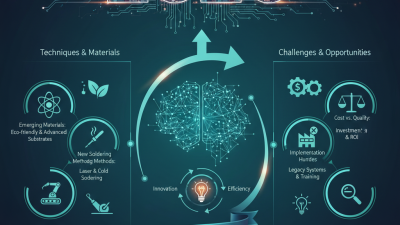
Moreover, the industry is evolving. New materials and techniques are emerging. However, many companies still struggle with quality control. This inconsistency can cost time and money. Reflecting on these challenges can provide valuable lessons for future projects, ensuring that the importance of Printed Circuit Board Assembly is never underestimated.
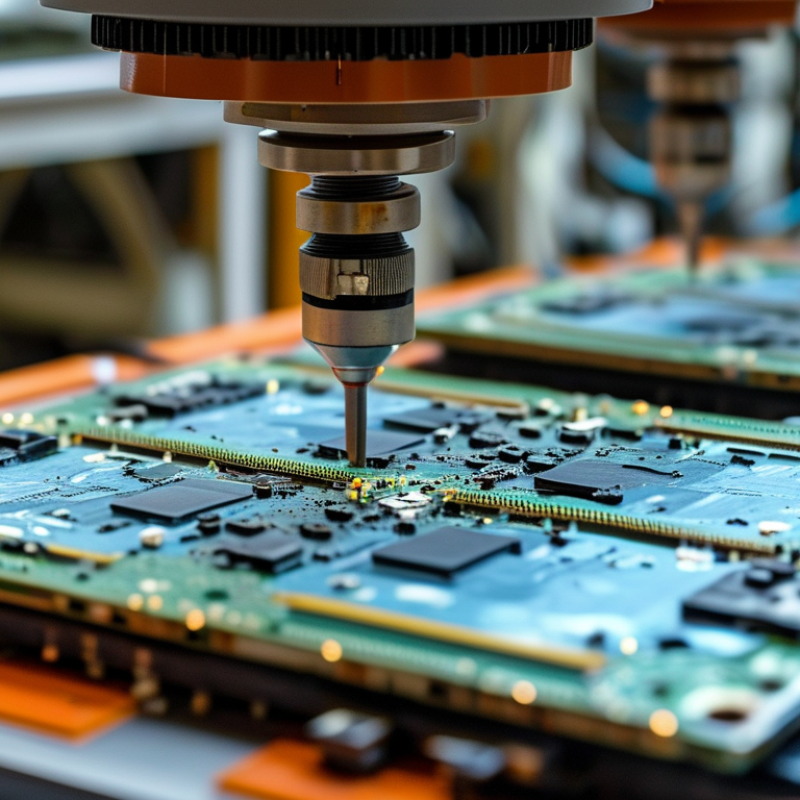
Understanding Printed Circuit Boards (PCBs)
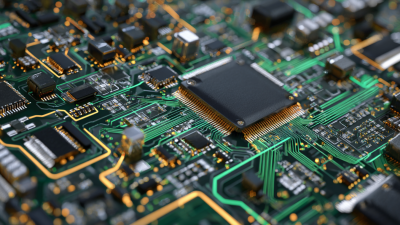
Printed Circuit Boards (PCBs) are fundamental components in modern electronics. They provide a physical platform for electronic components and connections. Understanding their structure can enhance your appreciation of electronic devices.
PCBs consist of a non-conductive substrate, typically fiberglass, layered with conductive pathways. These pathways form intricate designs that connect various components. While traditional designs are effective, modern PCBs often incorporate advanced techniques such as multi-layer configurations. This allows for more complex circuitry in a compact format. However, crafting these boards is not foolproof. Errors in designs can lead to manufacturing challenges and performance issues.
Designing a PCB requires a blend of creativity and technical knowledge. Mistakes often stem from miscalculations or oversight in component placement. Effective communication between designers and manufacturers is crucial. Each step, from layout to assembly, must be thoroughly reviewed. Yet, relying solely on technology can lead to oversight. Human input is invaluable but can introduce variability. Engaging in continuous learning about best practices can mitigate these risks. Ultimately, deepening your understanding of PCBs can significantly improve your engineering projects.
Key Components of PCB Assembly
Understanding the key components of printed circuit board (PCB) assembly is essential for anyone involved in electronics. At the heart of PCB assembly are various crucial elements. The most significant components include the PCB itself, electronic components, and soldering materials. The PCB acts as the foundation, connecting different electronic parts. A well-designed PCB ensures efficient electrical pathways.
Electronic components come in diverse forms, such as resistors, capacitors, and integrated circuits. Each plays a specific role in the overall function of the device. Choosing the right components is vital. Misjudgments can lead to faulty designs. Soldering materials, often overlooked, are equally important. They create robust connections between the components and the PCB. Quality solder helps in maintaining long-lasting durability.
While the assembly process seems straightforward, it demands precision. Mistakes can lead to performance issues. Sometimes, even minor errors can be costly. It’s crucial to have experienced technicians overseeing the process. Attention to detail is what separates a good PCB assembly from a great one. Reflecting on these components allows for improvements in future projects.
The PCB Assembly Process Step by Step
The PCB assembly process is crucial for creating functional electronic devices. It involves multiple stages that ensure precision and reliability in the final product. The journey begins with the design files, usually created in computer-aided design (CAD) software. Designers meticulously prepare schematics and layout, ensuring each component fits perfectly on the board.
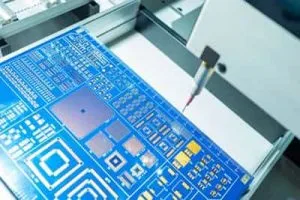
Next, the process transitions to the fabrication of printed circuit boards. This step includes etched copper layers and drilling holes for component placement. After the boards are fabricated, they move to the assembly line. Here, automated machinery places tiny components onto the PCB. The soldering phase follows, where heat is applied to bond components securely. This step is critical but often raises concerns about solder quality. Variations in temperature can impact the integrity of the joint.
Manual inspection occurs after assembly, but even this step is not foolproof. Labor-intensive checks can lead to human error. Digital verification methods, such as X-ray inspections, have emerged to enhance reliability. However, every stage in the PCB assembly process poses challenges, emphasizing the need for continuous improvement and vigilance. This process, while methodical, warrants reflection on how slight missteps may lead to larger issues in device performance.
PCB Assembly Process Overview
This chart illustrates the typical duration for each stage of the printed circuit board assembly process. As seen, the 'Fabrication' and 'Assembly' phases take the most time, lasting around 10 and 12 days, respectively, while 'Packaging' is the quickest step at just 3 days.
Quality Control and Testing in PCB Assembly
Quality control and testing are crucial in PCB assembly. The reliability of electronic devices largely depends on the quality of their circuit boards. A report by IPC, an industry association, states that up to 60% of electronic failures are linked to PCB issues. This statistic highlights the importance of rigorous testing protocols.
Effective quality control involves multiple stages. Visual inspections are the first step. They can catch obvious defects such as misalignments or soldering issues. Automated Optical Inspection (AOI) is widely used to enhance visual inspections. According to a study from TechScribe, AOI can reduce defect rates by up to 30%. Yet, it is not infallible; it may miss certain microscopic errors that can cause failures later on.
Functional testing comes next, evaluating how PCBs perform in real-world conditions. Although thorough, this phase can lead to discrepancies. Sometimes, boards that pass functional tests still fail in the field. This points to gaps in the testing process that must be addressed. Maintaining high quality is an ongoing challenge for manufacturers. As technology evolves, so must the testing standards.
Common Challenges in PCB Manufacturing and Assembly
Printed Circuit Board (PCB) assembly involves several challenges that can affect the production process. One major issue is the complexity of PCB designs. As components become smaller and more intricate, ensuring the correct placement and soldering of these parts becomes increasingly challenging. Misalignment during assembly can lead to functionality problems later. Manufacturers must implement precise techniques to maintain accuracy and quality.
Another common challenge is managing the material selection. The choice of substrates, solder, and components can significantly impact performance and reliability. Low-quality materials often lead to defects. Engineers must carefully balance performance requirements with cost constraints. Training for proper handling of materials is essential, as mishandling can result in damage.
Environmental factors also play a role in PCB assembly. Humidity and temperature variations can affect soldering outcomes. PCB manufacturers often struggle to maintain optimal conditions throughout the assembly process. Additionally, supply chain issues may cause delays and increased costs. These challenges necessitate ongoing attention and adaptation in the manufacturing process. Without careful consideration, even minor oversights can lead to major setbacks.