











JHY PCB Blog Hub
Your Source for Expert PCB Design, Manufacturing, and Assembly Insights – Stay Informed with 2025 Trends!
How to Choose the Best Bathroom Shelf?
Choosing the best Bathroom Shelf is less about copying a polished showroom and more about noticing what your bathroom needs each day. Is there room beside the shower? Do bottles crowd the sink? A shelf that looks elegant but blocks a cabinet door quickly becomes a nuisance. Small details matter.
For this guide, the named specialist and quotation below are illustrative, not a verified published source: bathroom-storage specialist Elena Morris offers this guiding line, “Choose a shelf around your routine, not the other way around.” Use it as a practical test, not a technical guarantee. Measure the wall, check the shelf’s stated load limit, and consider moisture, cleaning, and installation before buying. Tile, painted drywall, and glass do not suit every mounting method. A secure fit matters.
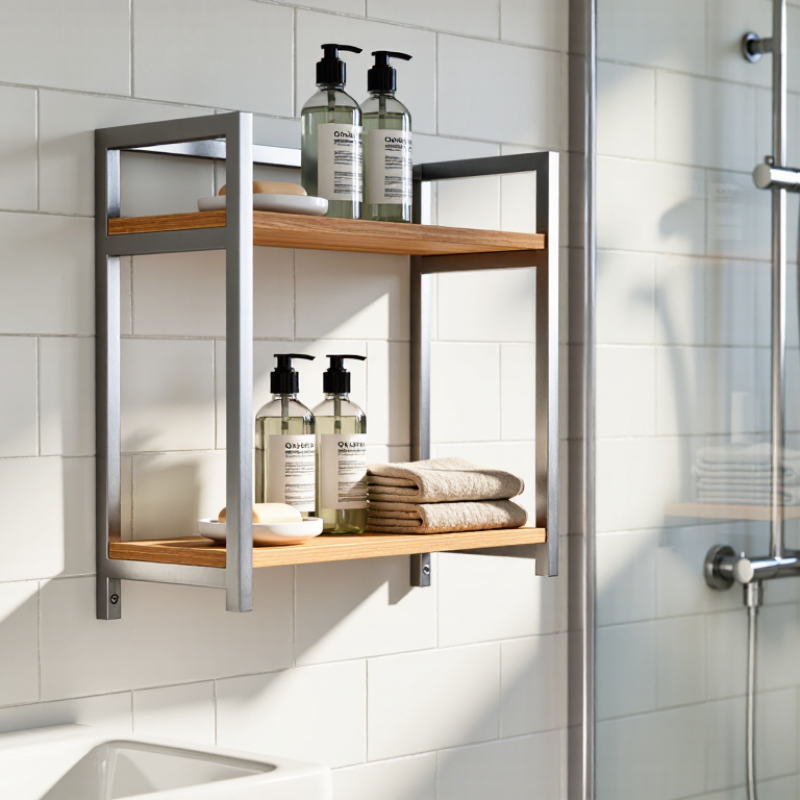
The right Bathroom Shelf should hold the items you reach for without turning into a cluttered ledge. Think shampoo bottles, a soap dish, or folded hand towels. Compare corner shelves, wall-mounted racks, and freestanding units against your available space and habits. Material and finish also affect upkeep; water spots show quickly on some surfaces. Not every choice is perfect. A compact shelf may save space but feel crowded, while a larger one can dominate a small room. This guide weighs those trade-offs and explains what to check, so you can choose with clearer expectations—not just a nice product photo.
Identify Your Bathroom Storage Needs and Available Space
A useful bathroom shelf starts with an honest inventory. Note what you reach for daily: a toothbrush, skincare bottles, folded towels, or children’s bath toys. Then measure the wall or floor area, including door swings, faucet reach, and space needed to stand comfortably. A shelf that fits on paper may feel awkward beside a sink. Small details matter.
The Houzz 2024 U.S. Bathroom Trends Study reports that 76% of renovating homeowners upgraded shower features. That finding makes storage near wet areas worth planning carefully. Choose rust-resistant materials for splash zones, and check whether bottles will fit without blocking controls. For a narrow bathroom, a shallow wall shelf may preserve walking room; in a shared space, separate baskets can reduce daily clutter. I still find that people often underestimate how quickly small containers multiply.
Tips: Measure the tallest bottle and deepest item before shopping. Mark the proposed shelf edges with painter’s tape, then test door clearance and reach. Keep heavier items on sturdy, securely fixed shelves, and reserve higher spots for occasional-use supplies.
Compare Shelf Materials, Designs, and Mounting Types
A bathroom shelf must handle more than a few bottles. Moisture, cleaning products, and daily bumps all affect its lifespan. Stainless steel resists rust when its finish is intact, while sealed wood adds warmth but needs careful upkeep. Tempered glass looks light and wipes clean, though water spots show quickly. Choose a design that leaves room for tall shampoo bottles and keeps soap within easy reach. Small details matter.
Mounting type affects both stability and flexibility. Wall-mounted shelves save counter space, but the fixings must suit the wall; tile, drywall, and masonry need different anchors. Avoid drilling near plumbing, and check the shelf’s load guidance before placing heavy jars on it. Tension-pole units can suit renters, though uneven floors may make them wobble. Freestanding shelves are simple to move, but they can crowd a narrow shower. There is no perfect option. I’d also reconsider a choice if the shelf is difficult to clean behind.
Tips: Measure the space with the shower door open. Check corners for a clear fit. Dry the shelf after installation, and inspect its fixings occasionally. A tiny tilt can become annoying.
Check Weight Capacity, Moisture Resistance, and Safety
How to Choose the Best Bathroom Shelf?
Check Weight Capacity, Moisture Resistance, and Safety
Start with the shelf’s stated load capacity, not its appearance. Add up the weight of bottles, jars, and wet towels, then leave a safety margin. A wide glass bottle can tip near an edge, even when the shelf is not overloaded. Check whether the rating assumes evenly distributed weight. It may not cover a heavy item placed in one corner.
Moisture resistance matters as much as strength. The U.S. Environmental Protection Agency’s A Brief Guide to Mold, Moisture and Your Home recommends keeping indoor relative humidity below 60%, ideally between 30% and 50%. That guidance concerns room humidity, not a shelf’s durability, so inspect the material and its finish directly. Look for corrosion-resistant fittings and sealed edges, especially near a shower. Small details matter. Still, no coating stays flawless forever; check for swelling, peeling, or rust during routine cleaning.
Tips: Confirm the wall type and use suitable anchors or studs. Keep heavy items low and away from the edge. After installation, gently test the shelf before loading it. I’d recheck the fixings later, too; a damp bathroom can loosen things over time.
Match the Shelf Size and Style to Your Bathroom
How to Choose the Best Bathroom Shelf?
Match the Shelf Size and Style to Your Bathroom
A shelf should fit the wall and the items you actually use. Measure the clear space, including nearby doors, taps, and towel bars. In a narrow bathroom, a shallow shelf can hold daily essentials without crowding the walkway. A corner or recessed shelf makes use of awkward space, while a wider shelf suits folded towels or storage baskets. Check the shelf’s depth against your tallest bottle; an attractive ledge is less useful if shampoo keeps tipping over.
Style matters, but function comes first. Houzz’s 2024 U.S. Bathroom Trends Study reports that 54% of homeowners upgrading their showers enlarged them. That shift can leave less wall space for storage, so plan shelf placement around the shower opening and splash zone. Choose finishes that complement existing hardware, and favor moisture-resistant materials for humid areas. Small details count. A metal shelf may feel crisp beside tile, while wood adds warmth—but it needs suitable care. I’d still measure twice; product photos can make a bulky shelf look surprisingly slight.
Tips: Use painter’s tape to outline the shelf on the wall. Stand back, open nearby doors, and check whether bottles will be easy to reach.
Review Installation Requirements and Long-Term Maintenance
A bathroom shelf should fit the wall, not just the space beside the sink. Check whether the mounting kit suits tile, drywall, or a stud-backed wall; the same anchor will not work equally well everywhere. Measure the shelf and mark its fixing points with a level before drilling. Measure twice. On tile, use a bit intended for the material and work carefully to reduce cracking. Check for plumbing or wiring behind the wall, and follow the shelf maker’s stated load limit. A bottle of shampoo feels light until several bottles sit on one small bracket.
Long-term upkeep depends on moisture and everyday handling. Look for smooth edges, secure joints, and a design that lets water drain instead of collecting beneath bottles. Wipe standing water after showers, especially around screw heads and corners. Water finds gaps. Use a cleaner suited to the shelf’s material; harsh products can dull some finishes. If the shelf loosens, shifts, or develops rust, remove the load and inspect the fixings rather than tightening blindly.
Think about what you will store and how often you clean. Open shelves make spills easy to spot, while deep ledges can hide soap residue at the back. A shelf placed too close to the shower may stay wet longer than expected. It is easy to focus on appearance and miss that detail. Recheck the installation after a few weeks, because walls and fittings can reveal small problems only with regular use.
How to Choose the Best Bathroom Shelf
Compare typical installation and routine-care effort before choosing a shelf. Scores are general guidance on a 1–5 scale, where 1 is low effort and 5 is high; actual requirements vary by product, finish, wall surface, and bathroom conditions.
Check the manufacturer’s load limit and mounting instructions. Use suitable fixings for the wall, and dry shelves regularly to reduce water spots and residue.


