How to Choose the Best 48V Electric Scooter for Your Needs
Choosing a 48v Electric Scooter starts with the ride you actually make: a two-mile commute, a steep driveway, or a longer weekend route. The voltage alone cannot tell you whether a scooter is right. Battery capacity, motor output, rider weight, hills, weather, and tire type all affect usable range. Small details matter. A heavy scooter feels different when carried up apartment stairs.
North American shared micromobility recorded 133 million trips in 2023, according to the National Association of City Transportation Officials. That figure covers shared bikes and scooters, not private 48V models, but it shows how many riders now depend on small electric vehicles. Micromobility analyst Horace Dediu’s central idea is that lightweight vehicles can serve short urban journeys; this is a useful lens, not a substitute for comparing specifications. Check whether the quoted range reflects real riding conditions, and ask how the battery performs after repeated charging.
A 48V system may suit riders seeking a balance of power and everyday practicality. Still, voltage is not a quality guarantee. Compare battery watt-hours, tested range, braking performance, load limits, water resistance, warranty terms, and replacement-part availability. Look closely. A larger number on a product page can distract from weak brakes or an unclear warranty. The right choice depends on your route and priorities, and there is no perfect spec sheet. Even careful comparisons leave uncertainty: advertised range often exceeds what riders experience.
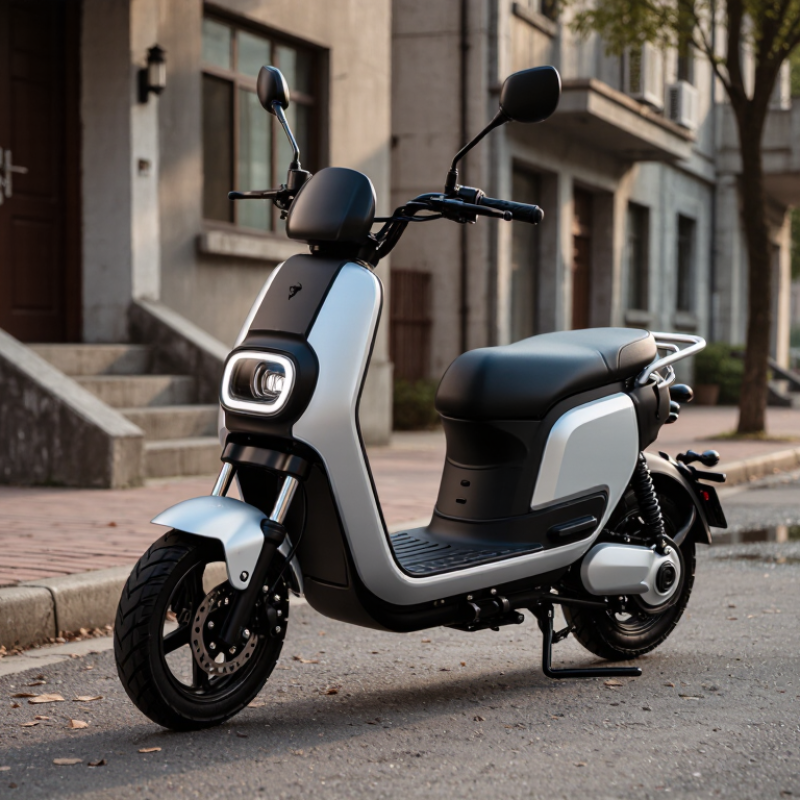
Define Your Riding Needs and Typical Travel Conditions
Before comparing 48V electric scooters, map the trips you actually make. Note the distance each way, how often you stop, and whether your route includes steep streets, rough pavement, or long exposed stretches. A 6-mile commute on smooth bike paths asks less of a scooter than the same distance with two sharp hills and cracked asphalt. Small details matter.
Check the route at the time you usually ride. Morning traffic, wind, and wet pavement can change how comfortable a scooter feels. If you carry a laptop or groceries, include that weight when checking the manufacturer’s load rating.
Hills also place greater demand on the motor, so look beyond voltage alone; motor output, brakes, tires, and suspension all affect the ride. A 48V battery does not guarantee a specific range. Your speed, rider weight, temperature, and terrain can reduce it. Leave a practical range buffer rather than planning around the best-case figure.
I would measure my route twice, but even that can miss a headwind or a detour. Think about where the scooter will charge, too. A heavy model may be awkward to carry upstairs. Fits your day? It should fit the storage space as well.
Understand What a 48V System Means for Scooter Performance
A 48V system refers to a battery’s nominal voltage, not a guaranteed speed or range. Electrical input power is voltage multiplied by current, so 48V can provide about 33% more power than 36V at the same current. That does not guarantee stronger acceleration: the controller, motor, and heat losses also matter. Voltage isn’t destiny. On a steep street, rider weight and a controller’s current limit can change what you feel.
Check watt-hours, too. A 48V, 15Ah battery stores about 720Wh nominally (48 × 15), though not all of that is usable. This figure is more useful for comparing potential ride time than voltage alone. Actual range still shifts with hills, temperature, tire pressure, and stop-start riding. One detail is easy to overlook: a higher-voltage pack may feel responsive, yet a small-capacity battery can still run down quickly.
Tips: Compare voltage, amp-hours, and controller current together; then check the maker’s stated test conditions. For cost context, BloombergNEF’s 2023 Battery Price Survey reported an average lithium-ion pack price of $139 per kWh. That industry-wide figure is not a scooter replacement quote, but it shows why battery capacity can affect ownership costs.
How to Choose the Best 48V Electric Scooter for Your Needs
Understand What a 48V System Means for Scooter Performance
At a nominal 48 volts, electrical input power is calculated as voltage multiplied by current. The bars show example power levels at different current draws—not guaranteed scooter performance. Actual battery voltage varies with charge and load, and motor and controller losses mean power at the wheel is lower.
Compare Range, Motor Power, Battery Capacity, and Charging Time
Choosing a 48V electric scooter means comparing more than voltage. Range claims are estimates, not guarantees. Rider weight, hills, wind, temperature, tire pressure, and speed can all reduce distance. A 48V label also does not tell you how powerful the motor is; check its rated output and peak output, if both are listed. Battery capacity, measured in amp-hours or watt-hours, helps indicate how much energy is stored. Numbers need context.
Tips: Match the scooter’s realistic range to your usual route, then leave a buffer for detours or colder days. Check whether the listed range was measured at a steady, moderate speed. Small detail, big difference.
Charging time depends on battery capacity and charger output. As a rough check, divide battery watt-hours by charger watts, then allow extra time for charging losses and slower charging near full. For example, a 48V, 15Ah battery stores about 720Wh; a 120W charger may need considerably longer than six hours in practice. Confirm the maker’s stated charging time and use the supplied compatible charger. I used to focus mostly on range, but charging overnight can matter just as much when the scooter is part of a daily commute.
How to Choose the Best 48V Electric Scooter for Your Needs — Compare Range, Motor Power, Battery Capacity, and Charging Time | Riding Need | Rated Motor Power | Battery Capacity | Estimated Real-World Range | Typical Charging Time
(2A charger) | Best Suited For |
| Short urban trips | 350 W (about 600 W peak) | 48 V, 10 Ah
480 Wh nominal | About 20–30 km
(12–19 mi) | About 5–6.5 hours | Flat routes, lighter daily use, and riders who can recharge regularly. |
| Everyday commuting | 500 W (about 800 W peak) | 48 V, 12 Ah
576 Wh nominal | About 25–35 km
(16–22 mi) | About 6–7.5 hours | Regular city commuting with moderate distances and occasional gentle slopes. |
| Longer commutes and moderate hills | 800 W (about 1,200 W peak) | 48 V, 15 Ah
720 Wh nominal | About 30–45 km
(19–28 mi) | About 8–9.5 hours | Riders who want stronger acceleration and extra range for varied routes. |
| Extended rides and frequent hill climbs | 1,000 W (about 1,500 W peak) | 48 V, 20 Ah
960 Wh nominal | About 40–55 km
(25–34 mi) | About 10.5–12.5 hours | Longer journeys, more demanding inclines, or fewer opportunities to recharge. |
| Range and charging figures are practical estimates, not guarantees. They assume a healthy battery, a single rider of roughly 75 kg (165 lb), paved roads, moderate speed, and mild weather. Rider weight, hills, speed, tire pressure, temperature, and battery age can change results. Charging time assumes a compatible 2 A charger; actual time varies with the charger and the battery’s charging profile. Check local rules for permitted motor power and scooter use. |
Evaluate Safety Features, Comfort, Build Quality, and Portability
A 48V label does not tell you how safely or comfortably a scooter rides. Check for responsive brakes, bright front and rear lights, grippy tires, and a stable deck. UL 2272 certification addresses electrical-system safety, but it does not rate braking or handling. The U.S. Consumer Product Safety Commission’s 2023 micromobility report found estimated emergency-department injuries rose 21% in 2022 compared with 2021. That makes protective equipment and predictable controls worth prioritizing, not treating as extras.
Comfort shows up on ordinary roads. A wide deck, upright handlebar position, and well-tuned suspension can soften cracked pavement and reduce hand fatigue. Look closely at the frame joints, folding latch, and cable routing; loose or exposed parts may become annoying with daily use. Build quality matters. Portability does too: check the scooter’s actual weight and folded dimensions against your stairs, hallway, or car trunk. A long advertised range can be less useful than a scooter you can lift without straining.
Tips: Ask for the battery’s watt-hour rating, not just its 48V voltage. Test the brakes and folding latch before buying, and check whether the stated range reflects your rider weight and route. I would not assume suspension fixes every rough ride; tire size and road surface still matter.
Match Your Budget and Maintenance Needs to the Best Scooter Type
A 48V scooter can fit very different budgets, so compare the full ownership cost, not just the sticker price. A lighter commuter model may cost less and suit short, paved trips. For steep streets or heavier daily loads, look for a sturdy frame, suitable brakes, and a battery with enough capacity for your route. Voltage alone does not tell you how far a scooter will travel. Check the battery’s watt-hours and compare range estimates with your actual distance, hills, and rider weight.
Keep room in your budget for a helmet, a lock, and routine parts. Tires, brake pads, and lights may need attention sooner than expected. Small costs add up. Solid tires resist punctures but can feel harsh on cracked pavement; air-filled tires usually ride more comfortably but need pressure checks. Neither choice is perfect. I would also check whether the battery can be removed for charging and whether replacement parts are easy to obtain.
Maintenance needs can help decide between a simple commuter and a more powerful, feature-rich scooter. A model with accessible cables and common tire sizes may be easier to service locally. Hydraulic brakes can offer strong control, but repairs may require more specialized help. Ask a repair shop what it can actually service before buying. One awkward detail: a low purchase price can become less attractive if a worn battery is difficult or costly to replace.