










JHY PCB Blog Hub
Your Source for Expert PCB Design, Manufacturing, and Assembly Insights – Stay Informed with 2025 Trends!
How to Choose a Metal Polishing Machine in 2026?
Choosing a Metal Polishing Machine in 2026 requires more than comparing price tags. Surface quality, production speed, energy use, and operator safety now influence the entire buying decision. Grand View Research’s 2024 metal finishing market analysis identifies automation, consistent surface requirements, and improved production efficiency as major industry drivers. These trends are visible on the factory floor: robotic arms repeat the same movement, while sensors monitor pressure, vibration, and polishing time.
The machine must match the material, part geometry, and required finish. Stainless steel may need a different abrasive sequence than aluminum. A small workshop may value flexible tooling, while an automotive supplier may prioritize cycle-time stability. Taiichi Ohno, a pioneer of modern manufacturing, said, “Without standards, you cannot improve.” That principle remains practical here. Ask for measured roughness values, not vague claims about a “mirror finish.” Request sample testing with your actual parts. It can expose weaknesses quickly.
Recent reports from MarketsandMarkets and Fortune Business Insights also point toward stronger automation and digital monitoring across manufacturing equipment. However, market forecasts are not purchasing guarantees. They may overlook maintenance delays, abrasive costs, training needs, and inconsistent incoming materials. That matters.
A polished sample can deceive. A reliable machine should repeat it across hundreds of parts. Review spindle control, fixture access, dust extraction, coolant management, warranty coverage, and local technical support. Energy consumption deserves attention, too. The cheapest machine may become expensive after twelve months. No selection guide removes every compromise. Careful testing simply makes those compromises visible before installation.
What Is a Metal Polishing Machine and How Does It Work?
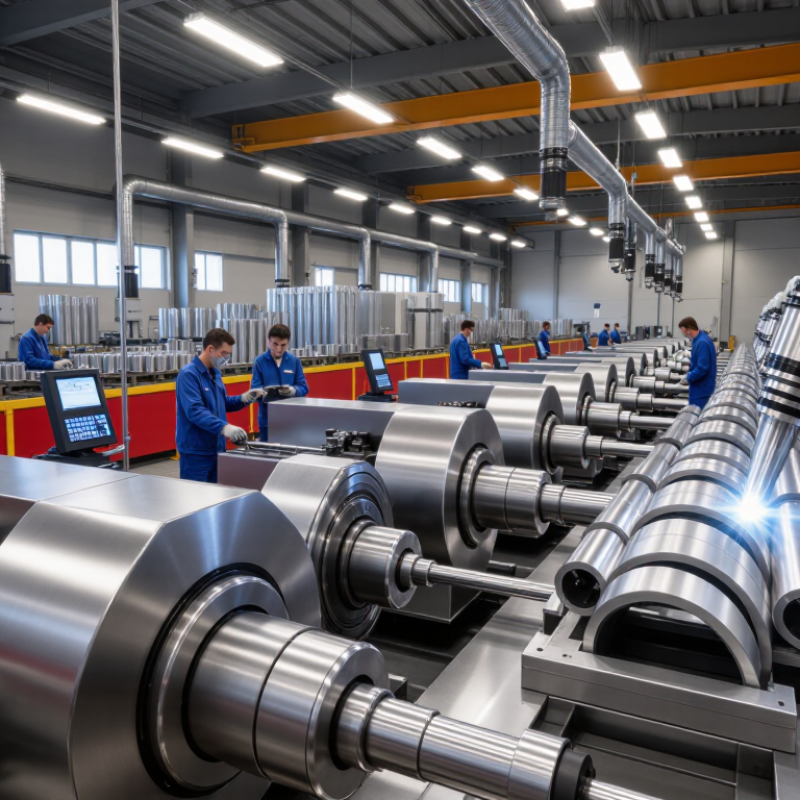
A metal polishing machine is equipment that smooths, brightens, or prepares a metal surface through controlled abrasion. It may use polishing wheels, abrasive belts, brushes, or tumbling media. The machine’s motor drives the selected tool, while pressure and movement remove scratches, burrs, oxidation, and uneven marks.
The working process is simple, but its results depend on careful control. Coarse abrasives remove visible defects quickly. Finer compounds then reduce smaller scratches and create a reflective finish. On a typical workshop floor, an operator may guide a steel part against a rotating wheel, checking its surface under angled light. Too much pressure can create heat, discoloration, or unwanted waves. It happens easily.
When choosing a machine in 2026, match its design to the material, part shape, required finish, and production volume. A belt system may suit flat panels, while a spindle machine offers better control around edges and curved parts. Automated systems can improve consistency, but they still need correct tool selection and inspection. Sensors may monitor pressure or vibration, yet they cannot replace skilled judgment in every situation.
Safety features deserve equal attention. Look for stable guarding, emergency stopping, controlled speed, dust collection, and practical access for maintenance. I have seen operators focus on shine and overlook ventilation or workholding. That choice may save minutes, but it can reduce finish quality and increase risk. A reliable selection balances surface appearance, repeatability, operator control, energy use, and realistic maintenance needs.
Which Metal Polishing Requirements Should You Define First?
How to Choose a Metal Polishing Machine in 2026?
Before choosing a metal polishing machine, define the work clearly. Identify the metal, part shape, dimensions, and surface condition. Stainless steel, aluminum, and carbon steel need different abrasive strategies. A flat panel behaves differently from a narrow tube or cast fitting.
Set a measurable finish target. Specify roughness, gloss, edge quality, and allowable dimensional change. “Mirror finish” sounds clear, but it can mean different things to different operators. Use sample parts and measurable readings whenever possible. Note the required production volume, cycle time, and operator involvement. A machine for ten parts daily may be unsuitable for continuous production. This detail is often missed.
Consider dust collection, noise, coolant use, maintenance access, and worker safety. Check whether the machine can handle your largest and smallest parts without awkward repositioning. Abrasive belts, wheels, or brushes also affect the final texture and running cost. In practical evaluations, a test with real parts reveals problems that brochures cannot show. The first specification may still be wrong. Allow room to revise it after testing. Record defects such as swirl marks, overheating, rounded edges, and uneven polishing. These observations will guide a more reliable machine selection.
How to Choose a Metal Polishing Machine in 2026?
Define the required final surface roughness first. Lower Ra values require finer abrasives, slower processing, better compound control, and more precise machine settings.
Reference values: Ra 3.2 µm is commonly associated with general deburring, Ra 1.6 µm with satin finishing, Ra 0.8 µm with pre-polishing, and Ra 0.2 µm with mirror polishing. Confirm the final specification using a calibrated surface roughness tester.
How Do You Compare Machine Types, Abrasives, and Finishing Methods?
How to Choose a Metal Polishing Machine in 2026?
Comparing machine types starts with the part’s size, shape, and required finish. A bench machine suits small components and controlled handwork. A centerless or belt system handles longer parts more consistently. Rotary machines can process batches, but they may soften sharp edges. Variable-speed control matters when working with stainless steel, aluminum, or heat-sensitive alloys. I have seen operators choose power too quickly. Excessive speed created blue heat marks and uneven reflections.
Abrasive selection should follow the surface condition, not habit. Coarse belts remove weld marks and deep scratches. Medium abrasives refine the surface. Fine compounds create brightness after the metal is already smooth. Ceramic abrasives cut aggressively, while aluminum oxide offers more predictable control. Keep abrasive grades consistent between stages. Mixing them carelessly can leave hidden scratches.
Tips: Test a small area first. Check heat every few passes. Use fresh abrasive. Keep the workpiece moving. Record speed, pressure, and compound type. These notes improve repeatability, although they will not replace operator judgment. Finishing methods also change the visual result. Satin finishing needs controlled directional strokes. Mirror polishing requires finer stages and careful cleaning between compounds. A clean pad is essential. Even experienced technicians sometimes over-polish one edge, so inspect the part under angled light before changing the setup.
What Specifications Matter When Selecting a Machine in 2026?
How to Choose a Metal Polishing Machine in 2026?
Choosing a metal polishing machine starts with the specifications, not the advertising claims. Motor power should match your material, part size, and daily workload. A small motor may polish light components well but struggle with stainless steel edges. Excess power can also create heat, surface damage, and unnecessary energy use.
Check the spindle speed range carefully. Adjustable RPM gives better control across aluminum, steel, and delicate finishes. Wheel diameter matters too. Larger wheels cover broad surfaces, while smaller wheels reach corners more easily. Ask about the machine’s duty cycle, because continuous production demands stronger cooling and stable bearings. I once underestimated this detail, and overheating interrupted an otherwise smooth job. It was a useful mistake.
Tips: Test a sample part before purchasing. Measure the finish, noise, vibration, and polishing time. Confirm that the machine accepts your preferred abrasive wheels and compounds. A reliable dust collection system can protect visibility and reduce workshop cleanup. Emergency controls, guards, and accessible maintenance points should also receive attention. Do not ignore footprint and electrical requirements. A machine that fits the brochure may not fit your actual workspace. Specifications are helpful, but real material testing often reveals the uncomfortable truth.
How Can You Evaluate Safety, Maintenance, Cost, and Supplier Support?
Choosing a metal polishing machine in 2026 requires more than comparing motor power and wheel speed. Safety, maintenance, cost, and supplier support often decide whether the machine performs reliably after installation.
During shop trials, inspect the guard around the wheel and the emergency-stop button. It should be easy to reach while wearing gloves. Check whether sparks and metal dust move away from the operator’s face. A stable frame also matters; vibration can loosen fasteners and reduce polishing quality. Ask for clear operating instructions, training materials, and documented safety procedures. Do not rely only on a sales demonstration.
Maintenance details reveal the machine’s real value. Examine how quickly operators can replace abrasives, clean dust paths, and access bearings. A small inspection door can save hours each month. Request a recommended maintenance schedule and ask which parts normally wear first. Calculate total ownership cost, including electricity, consumables, labor, downtime, and replacement components. I once focused too heavily on the purchase price. That decision looked sensible, but frequent cleaning and difficult adjustments increased labor costs.
Supplier support deserves practical testing before purchase. Ask how quickly technical questions receive answers and whether replacement parts are stocked locally. Confirm the warranty terms, service coverage, installation assistance, and training options. Request references from workshops using similar materials and production volumes. Written promises are useful, but a real service contact is better. Some evaluations also miss operator feedback, which is a mistake. The person changing abrasive wheels may notice risks that an office-based buyer never sees.
How to Choose a Metal Polishing Machine in 2026? - How Can You Evaluate Safety, Maintenance, Cost, and Supplier Support?
Practical comparison of common metal polishing machine categories. Cost figures are indicative 2026 purchase ranges for new equipment, excluding tax, freight, installation, tooling, and consumables. Always confirm specifications and compliance with the supplier.
| Machine Category | Typical Applications | Typical Motor Power | Typical Working Capacity | Safety Evaluation | Maintenance Requirements | Indicative Purchase Cost | Supplier Support to Require | Automation Potential | Best Fit |
|---|---|---|---|---|---|---|---|---|---|
| Bench-Top Rotary Polisher | Small stainless-steel parts, fittings, decorative components, and repair work. | 0.75–2.2 kW | Parts generally up to 300 mm; manual loading. | Medium Require wheel guards, adjustable work rests, emergency stop, overload protection, and dust extraction where needed. | Inspect wheels and guards before use; clean ventilation openings; check bearings, belts, cables, and work rests regularly. | US$500–US$3,000 | At least 12-month warranty, replacement guards and wheels, operating instructions, and basic electrical documentation. | Low | Low-volume workshops |
| Belt Polishing Machine | Flat surfaces, tubes, weld blending, edge finishing, and directional satin finishes. | 1.5–7.5 kW | Belts commonly 50–150 mm wide; length depends on the machine frame. | Medium Require belt guards, spark and dust control, stable clamping, emergency stop, and protection against accidental belt contact. | Replace abrasive belts as required; inspect tracking, tension, rollers, bearings, electrical connections, and extraction ducts. | US$2,000–US$12,000 | Confirm abrasive compatibility, belt-size availability, spare roller supply, setup training, and response time for technical support. | Medium | Fabrication and weld finishing |
| Rotary Buffing and Polishing Line | High-gloss finishing of stainless steel, aluminum, copper, cookware, and decorative parts. | 5.5–30 kW total installed power | Multiple stations; commonly suitable for medium and large batch production. | High Require interlocked guards, emergency-stop circuits, safe access, dust extraction, fire-risk controls, and documented risk assessment. | Schedule inspection of spindles, bearings, drive belts, polishing wheels, extraction filters, guarding, and control cabinets. | US$15,000–US$80,000 | Require installation support, operator training, preventive-maintenance schedules, electrical schematics, spare-part lists, and commissioning records. | High | Medium-to-high volume production |
| CNC Robotic Polishing Cell | Repeatable finishing of complex geometries, castings, sanitary components, and precision parts. | 10–50 kW total installed power | Part size depends on robot reach, fixture design, and payload. | High Require a complete safety enclosure, interlocked access doors, safety-rated monitoring, emergency stops, safe robot limits, and validated risk reduction. | Maintain robot joints, tooling, fixtures, sensors, extraction systems, software backups, and safety circuits; plan qualified service visits. | US$80,000–US$300,000+ | Require application programming, acceptance testing, software backups, remote diagnostics, local service capability, and guaranteed spare-part availability. | Very High | High-volume or complex-part production |
| Vibratory Finishing Machine | Deburring, edge rounding, burnishing, and mass finishing of small-to-medium metal parts. | 0.75–15 kW | Load capacity commonly 20–1,000 liters, depending on model. | High Require lid protection, guarded moving parts, noise control, safe chemical handling, drainage management, and operator PPE. | Replace or replenish media; clean the bowl, screens, drains, and pumps; inspect linings, motors, belts, and wastewater systems. | US$3,000–US$40,000 | Require process trials, media recommendations, chemical guidance, lining repair support, wastewater instructions, and consumable supply continuity. | Medium | Batch processing of small parts |
| Drag Finishing Machine | Controlled finishing of delicate, heavy, or high-value parts that must not collide with one another. | 3–22 kW | Typically 4–16 workpiece fixtures per cycle, depending on design. | High Require enclosed rotating zones, fixture locking, interlocked doors, emergency stops, safe loading height, and splash containment. | Inspect fixtures, locking mechanisms, spindle bearings, process tanks, pumps, filters, and protective linings; clean chemical residues. | US$25,000–US$150,000 | Require process validation, fixture design assistance, sample testing, operator training, preventive-maintenance support, and spare fixtures. | High | Delicate precision components |
| Evaluation checklist: Confirm compliance with applicable machinery-safety requirements, including a documented risk assessment based on ISO 12100, electrical safety practices aligned with IEC 60204-1 where applicable, and safety-related control design appropriate to the assessed risk. Compare total cost of ownership, including electricity, abrasives or media, dust extraction, wastewater treatment, labor, planned maintenance, installation, training, and spare parts—not only the initial machine price. | |||||||||


