What is a Gluing Machine and How Does it Work?
A Gluing Machine is an essential tool in many industries. It streamlines the process of bonding materials, making it faster and more efficient. These machines are designed for precision and consistency, which is crucial for achieving quality results.
Modern Gluing Machines come in various types, each tailored to specific tasks. For example, some machines handle large items, while others focus on smaller components. Understanding how a Gluing Machine functions can help users optimize their production processes. However, it's easy to overlook maintenance needs, which can affect efficiency and longevity.
Professionals often emphasize routine checks on these machines to prevent unexpected breakdowns. Knowledge about different gluing techniques and materials can enhance the effectiveness of a Gluing Machine. Mastery in this area can lead to better bonding results and increased productivity. There’s a lot to explore about the capabilities and limitations of these machines, which can impact everyday operations.
What is a Gluing Machine?
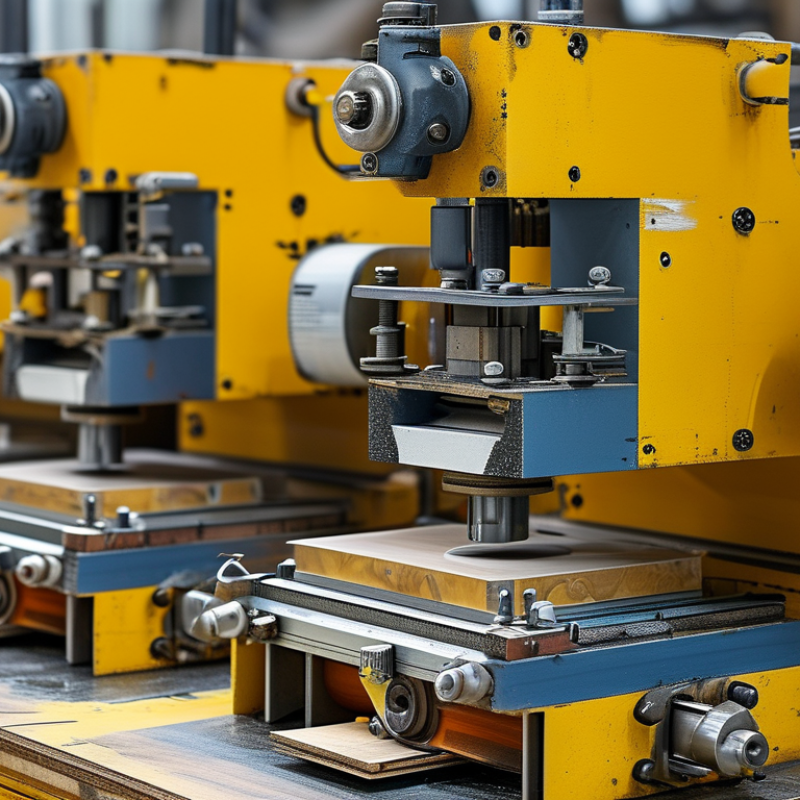
A gluing machine is a crucial tool in various industries, particularly in packaging and woodworking. It automates the application of adhesives to surfaces, ensuring efficient bonding. According to a recent industry report, the global adhesive application machinery market is projected to reach $10 billion by 2025, reflecting the increasing demand for automation.
These machines function through different methods, such as hot melt, cold glue, or pressure-sensitive adhesive application. Each method has specific advantages. For instance, hot melt machines heat adhesive to a liquid state, allowing rapid application. Cold glue systems, on the other hand, use moisture-based adhesives, ideal for sensitive materials. However, improper settings can lead to adhesive wastage and inefficiencies.
With the rise of advanced technologies, gluing machines have become more precise. However, operators must remain vigilant. Failure to calibrate machines or select the right adhesive can result in subpar bonding. Moreover, the explosion of e-commerce has highlighted the need for reliable packaging solutions, increasing the focus on machine accuracy and performance. As the industry evolves, continual learning and adaptation are essential to meet these demands effectively.
Types of Gluing Machines Used in Various Industries
Gluing machines are essential in various industries, including packaging, woodworking, and automotive. Each type serves specific needs. For example, in the packaging sector, adhesive applicators ensure efficient sealing on boxes and containers. According to industry reports, the packaging industry is expected to grow by 4.3% annually, driving demand for advanced gluing solutions.
In woodworking, hot glue machines are commonly employed. They provide strong bonding for furniture assembly and repairs. A study shows that the global woodworking machinery market is projected to reach $13 billion by 2026. This rise emphasizes the importance of reliable gluing machines, which enhance productivity and quality in manufacturing processes. Yet, some companies still rely on outdated equipment, leading to inefficiencies.
The automotive industry benefits from robotic gluing systems. These machines enhance precision in assembling components. Reports indicate that the global automotive adhesive market will hit $14 billion by 2025. Despite advancements, many manufacturers struggle with consistency and waste. Continuous innovation in gluing technology is vital to meet evolving industry standards and demands.
How Gluing Machines Operate: A Step-by-Step Process
Gluing machines are crucial in various industries, primarily for assembling products. Their operation involves a straightforward yet effective process. Initially, the machine aligns the substrates with precision, ensuring uniform application of adhesive. Accurate alignment can contribute to a 20% reduction in material waste, according to industry reports.
Next, the adhesive is applied. This step requires controlling temperature and pressure to ensure optimal bonding. A well-calibrated gluing machine can enhance production efficiency by up to 30%. After application, the substrates are pressed together, solidifying the bond. Timing during this phase is vital. Too long or too short can compromise the joint's strength.
Tips: Regular maintenance of the machine is essential for consistent performance. Inspecting the adhesive application system can prevent malfunctions. Training operators to use the machine effectively can lead to significant improvements in product quality. Inconsistent application can lead to costly rework and delays. Always document the process; it provides insights for future improvements.
Key Components of a Gluing Machine and Their Functions
A gluing machine is a vital tool in various manufacturing sectors, from woodworking to packaging. Understanding its key components can enhance efficiency and accuracy. One of the primary elements is the adhesive applicator, which controls the amount and timing of adhesive application. Precision in this component is crucial; studies show that a 1 mm error in application can lead to a 15% increase in material waste.
Another critical part is the conveyor system. It transports materials through different stages of the gluing process. Smooth operation of the conveyor reduces bottlenecks. According to industry reports, 30% of production downtime relates to conveyor failures. Continuous maintenance is necessary for optimal performance.
Finally, the curing section is where the adhesive solidifies. The curing mechanism varies, with some machines utilizing heat and others relying on air drying. Reports indicate that improper curing can compromise bond strength, resulting in failures. Attending to these components can help manufacturers avoid costly mistakes and improve product reliability. Continuous evaluation of these systems leads to better production outcomes.
Adhesive Strength Comparison of Different Types in Gluing Machines
This chart illustrates the adhesive strength measured in N/cm² for four different adhesive types commonly used in gluing machines. Understanding the performance of these adhesives can help in selecting the right adhesive for specific applications in the gluing process.
Applications of Gluing Machines in Manufacturing and Crafting
Gluing machines are revolutionizing both manufacturing and crafting industries. In manufacturing, these machines ensure precise and consistent adhesion of materials. They are widely used in woodworking, packaging, and automotive sectors. A gluing machine can efficiently apply adhesives to various surfaces, resulting in stronger and more durable products.
In crafting, these machines simplify processes for hobbyists and small businesses. They speed up projects by allowing quick bonding of different materials. Think about assembling a custom furniture piece or creating intricate paper crafts. The ability to apply adhesives uniformly saves time and effort. However, not all adhesives work well with every material. Experimentation is often necessary to find the right combination.
While gluing machines offer many advantages, users must exercise caution. Incorrect settings can lead to messy applications or even material damage. It's essential to test the machine before large projects. Feedback from users often highlights the need for adjustment. Thus, staying informed and continually improving techniques can significantly enhance outcomes in both manufacturing and crafting.