What is a CNC Turning Center and How Does it Work?
The CNC Turning Center is a key player in modern manufacturing. According to a report by MarketsandMarkets, the CNC machine tools market is projected to reach $100 billion by 2025. This growth highlights the increasing reliance on such technology. CNC Turning Centers streamline production processes, reducing human error while improving precision.
These machines are capable of producing complex shapes through automated processes. With advancements in technology, CNC Turning Centers are not just tools but essential partners in manufacturing. However, many firms still hesitate to fully integrate these systems. They fear the upfront costs and potential skill gaps in their workforce.
Yet, the benefits often outweigh the challenges. A well-implemented CNC Turning Center can significantly boost productivity. According to a study by Deloitte, companies that adopt advanced manufacturing technologies can see a profit increase of up to 30%. Investing in a CNC Turning Center can thus be a turning point for many businesses. It's crucial to weigh both the benefits and fears involved in this transition.
What is a CNC Turning Center? Definition and Overview
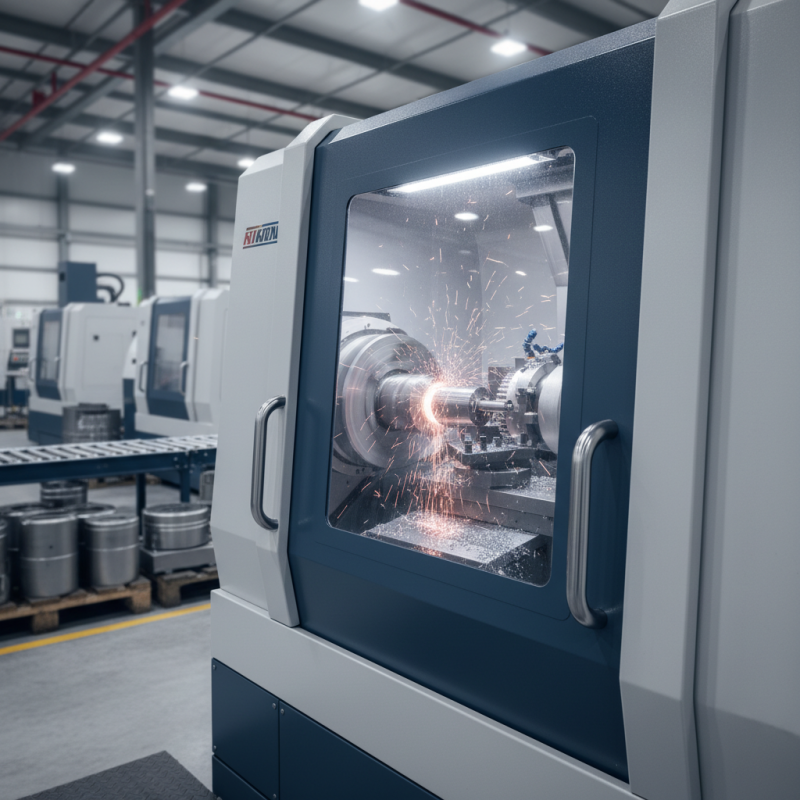
A CNC turning center is a computer-controlled machine used in manufacturing. It shapes materials, often metals, into precise designs. The term “CNC” stands for computer numerical control. This technology allows for high accuracy and efficiency in producing intricate parts.
The CNC turning center works by rotating the workpiece against a cutting tool. The cutter removes material, transforming the raw piece into a finished product. Operators input specific parameters into the machine. This includes dimensions, speeds, and cutting depths. Once set, the machine executes the design automatically. However, adjustments may be needed during the process, which requires careful monitoring.
While CNC turning centers are efficient, they come with limitations. Not every design can be easily turned, and setup times can be lengthy. It is crucial to understand the machine's capabilities and constraints. Regular maintenance is also essential to ensure optimal performance. Such factors can influence production efficiency and outcomes.
CNC Turning Center Production Capabilities
Key Components of a CNC Turning Center and Their Functions
A CNC turning center is an essential machine in modern manufacturing. It specializes in shaping materials into precise cylindrical forms. Understanding its key components is crucial for optimizing performance.
The main components include the spindle, tool turret, and control system. The spindle rotates the workpiece, allowing tools to carve intricate designs. The tool turret holds various cutting tools. Operators can switch tools quickly, improving efficiency. According to a report by Research and Markets, the global CNC turning center market is expected to grow exponentially. This highlights the importance of these machines in enhancing productivity.
The control system drives the CNC process. It translates design specifications into specific actions. However, operators sometimes face challenges in programming. Mistakes can lead to defective parts. A recent survey found that 25% of users reported difficulties with software interfaces. Continuous training is vital to address these issues and improve output quality.
A turning center can revolutionize production, but it needs skilled operators to harness its full potential.
The CNC Turning Process: Step-by-Step Overview
The CNC turning process involves several specific steps. Initially, a solid block of material is loaded onto the machine. This material can be metal, plastic, or wood, chosen based on the final product's requirements. The spindle then rotates the workpiece at high speeds. During this phase, precision is key. Any misalignment can lead to defects.
As the workpiece spins, various cutting tools come into play. These tools shape the block by removing unnecessary material. The CNC software controls the movements. It is essential to input accurate dimensions and settings beforehand. Mistakes here can result in wasted materials and time. While automation is beneficial, human oversight is still crucial.
After the main shaping is completed, additional processes may follow. These can include drilling, milling, or finishing. Each step offers opportunities for both success and error. Sometimes, unexpected issues arise. For example, the tool may wear down faster than anticipated. Such challenges require quick problem-solving and adaptability. In the end, the CNC turning process is as much about precision as it is about learning and improvement.
Applications of CNC Turning Centers in Various Industries
CNC turning centers play a significant role across various industries. In aerospace, they shape complex components like turbine parts with precision. These parts must meet stringent safety standards and tolerances. Achieving these requirements can be challenging, but CNC technology ensures accuracy.
In the automotive sector, manufacturers rely on CNC turning for producing gears, shafts, and housings. The process allows for high-speed production and consistency. However, variations in material quality can lead to unexpected results. It's crucial to monitor every step, as even slight errors can impact performance.
Medical devices also benefit greatly from CNC turning centers. They create intricate pieces like surgical instruments and implants. These components often require a high level of customization. Balancing efficiency with precision is difficult, and constant adjustments may be necessary. It’s an ongoing journey to perfect the process, ensuring that all products meet the highest standards.
Benefits of Using CNC Turning Centers: Precision and Efficiency Statistics
CNC turning centers are revolutionizing the manufacturing industry. These machines offer unmatched precision and efficiency. According to industry reports, CNC turning centers can achieve a tolerance level of ±0.001 inches. This precision drastically reduces material waste during production. Efficient use of materials leads to lower costs and higher profit margins.
Statistics show that companies using CNC turning centers can increase productivity by up to 50%. This increase is vital in a competitive market. Implementing these machines can lead to quicker turnaround times. Also, they can run unattended for hours, allowing operators to focus on other tasks.
Tips: Regular maintenance of the CNC turning center is essential. Check for any wear on tools often. Keeping the machine clean can prevent faults and enhance its lifespan. Consider training staff on new techniques; this can leverage efficiency drastically. Making small adjustments can lead to significant improvements over time.
CNC Turning Center Efficiency and Precision Statistics
| Metric | Value |
| Max Turning Diameter | 12 inches |
| Max Turning Length | 25 inches |
| Axis Accuracy | ±0.001 inches |
| Repeatability | ±0.0005 inches |
| Cycle Time Reduction | 30-50% |
| Material Waste Reduction | 20% |
| Production Volume Increase | 25% |
| Setup Time Savings | 40% |
| Overall Equipment Effectiveness (OEE) | 85% |