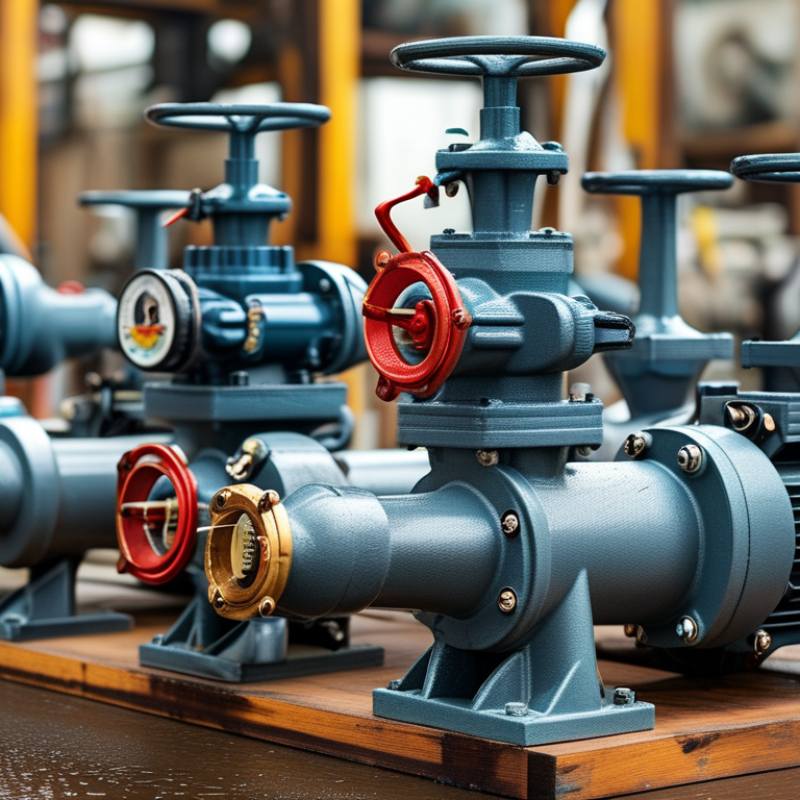
How to Choose the Right Cooling Water Pump for Your Needs?
Choosing the right Cooling Water Pump is crucial for ensuring efficiency in various applications. A well-selected pump can enhance system performance and prevent costly damages. Understanding the specific needs of your system is paramount.
Different pumps serve unique functions. It's essential to consider factors like flow rate, pressure requirements, and the liquids involved. A mistake in selection can lead to inefficiencies or even equipment failures. It’s not just about picking a pump; it's about choosing the right one that matches your needs.
Many overlook the importance of consulting professionals. Their expertise can provide insights into the ideal specifications for your setup. However, it’s also vital to reflect on past experiences and learn from them. Every application is unique, and sometimes the perfect choice isn't immediately clear.
Understanding the Importance of Cooling Water Pumps in Industrial Applications
Cooling water pumps play a crucial role in industrial settings. They regulate temperatures in machinery and processes. Effective temperature control prevents overheating, ensuring equipment operates efficiently. A malfunctioning pump can lead to costly downtimes. This highlights the need for proper selection based on specific operational requirements.
Understanding the various types of cooling water pumps is essential. Different applications demand distinct performance characteristics. For instance, some processes require high flow rates, while others prioritize energy efficiency. Matching the pump to the system's needs is vital. Inadequate analysis may cause complications down the line. Regular evaluation of pump performance metrics is also necessary to maintain operational reliability.
Selecting the right cooling water pump isn't always straightforward. Factors like fluid viscosity, temperature range, and system pressure must be considered. It's easy to overlook these details. Incorrect assumptions can lead to inefficiencies. Therefore, a thorough understanding of application requirements is paramount for optimal performance. Selecting a cooling water pump should involve careful consideration and often, consultation with an expert.
Identifying Your Cooling Requirements: Flow Rate and Temperature Considerations
Choosing the right cooling water pump starts with understanding your cooling requirements. Two critical factors are flow rate and temperature. Flow rate is the volume of water your system needs to circulate. It's essential to calculate how much coolant your equipment requires during operation. Insufficient flow can lead to overheating, affecting performance. Too much flow can create excessive pressure, causing leaks or damage.
Temperature considerations are equally vital. You need to know the inlet and outlet temperatures your system can handle. This data affects pump selection. For instance, high-temperature systems might require pumps made from specific materials to prevent corrosion. If your system operates outside recommended temperature ranges, it can lead to pump failures.
Be mindful of your specific environment as well. If the cooling system operates in a dusty or humid area, pump durability comes into play. Picking a pump that matches these conditions is crucial. Testing the water quality can also help ensure compatibility. Rethink your choices as conditions change, and always refer to industry guidelines to stay informed.
How to Choose the Right Cooling Water Pump for Your Needs?
| Pump Model | Flow Rate (GPM) | Max Head (feet) | Power Requirement (HP) | Temperature Range (°F) |
| Model A | 50 | 30 | 3 | 40-100 |
| Model B | 75 | 40 | 4 | 30-90 |
| Model C | 100 | 50 | 5 | 60-120 |
| Model D | 30 | 20 | 2 | 50-80 |
Evaluating Different Types of Cooling Water Pumps Available on the Market
Choosing the right cooling water pump is crucial for various applications. Understanding the types available can simplify your decision. Centrifugal pumps dominate the market, accounting for about 75% of the total pump sales globally. They offer efficiency and are best for large volumes of water. However, their performance can degrade in systems requiring high pressure.
Positive displacement pumps are another option. They are known for their reliability in precise flow rates. They can maintain performance in varying conditions. Their efficiency can drop significantly if not sized correctly. According to the Hydraulic Institute, improper sizing can lead to a 20-30% energy waste.
Submersible pumps operate underwater, suitable for limited spaces. They are effective but can be challenging to maintain. Groundwater extraction or cooling applications often utilize them. Understanding the specific requirements of your application is essential. Evaluating flow rates, head pressure, and space limitations will guide your selection process.
Key Features to Look for When Selecting a Cooling Water Pump
When selecting a cooling water pump, key features can greatly influence performance. Look at the pump's flow rate. It must meet the specific cooling load required for your system. Insufficient flow can lead to overheating. A pump with a higher flow rate than necessary may waste energy. Find the balance that suits your needs.
Next, consider the material of the pump. Depending on the water quality and temperature, certain materials will perform better than others. For example, stainless steel offers corrosion resistance. However, it can be costlier. Plastic pumps may be lighter and cheaper, but they might not withstand high temperatures. Assess your environment's demands.
Also, evaluate the pump's energy efficiency. An energy-efficient model can save money in the long run. It’s essential to review specifications and performance curves. This is where a bit of research pays off. Check manufacturer ratings, but don’t rely solely on them. User testimonials can give insight into real-world performance. Making the wrong choice could lead to increased operational costs and early failure of the pump.
Assessing Maintenance and Energy Efficiency of Cooling Water Pumps
When assessing the maintenance and energy efficiency of cooling water pumps, several factors come into play. The energy consumption of a cooling water pump can significantly impact operational costs. According to the U.S. Department of Energy, improper pump selection can lead to energy losses of up to 30%. Ensuring that the pump’s performance aligns with the system requirements is crucial for minimizing energy waste.
Regular maintenance also plays a critical role in optimizing pump efficiency. A report from the Hydraulic Institute suggests that over 20% of pump failures are due to inadequate maintenance. This means establishing a regular maintenance schedule can save both time and money. Keeping an eye on pump seals, bearings, and impellers can help prevent costly breakdowns.
Tips: Regularly check for leaks. This can prevent energy loss and save water. Consider using variable frequency drives (VFDs) for better energy management. They can adjust the pump speed based on demand, enhancing efficiency.
In some cases, upgrading an older pump may lead to better efficiency. However, this decision requires a careful evaluation of cost versus performance. It’s essential to consider the long-term benefits of investment in energy-efficient technologies against initial expenditures. Ultimately, the goal should be to achieve a balance between reliability and operational costs.
Energy Efficiency and Maintenance Frequency of Cooling Water Pumps