How to Choose the Right Butterfly Valve for Your Project?
Choosing the right Butterfly valve for a project is essential in ensuring efficiency and reliability. According to industry expert James Wilson, “Selecting the correct butterfly valve can significantly affect system performance.” This statement underscores the importance of making an informed decision.
Butterfly valves are versatile and widely used in various applications. They control flow effectively while being lightweight and space-saving. However, their specific features can vary. Understanding these features is critical to your project's success. For instance, some valves are designed for high-pressure systems, while others are better suited for low-pressure environments.
Making a choice can be overwhelming. Factors like size, material, and seal type require careful consideration. The right valve can optimize performance and extend service life. Reflecting on past projects can help refine your selection process. Remember, a hasty decision may lead to costly errors.
Understanding the Different Types of Butterfly Valves
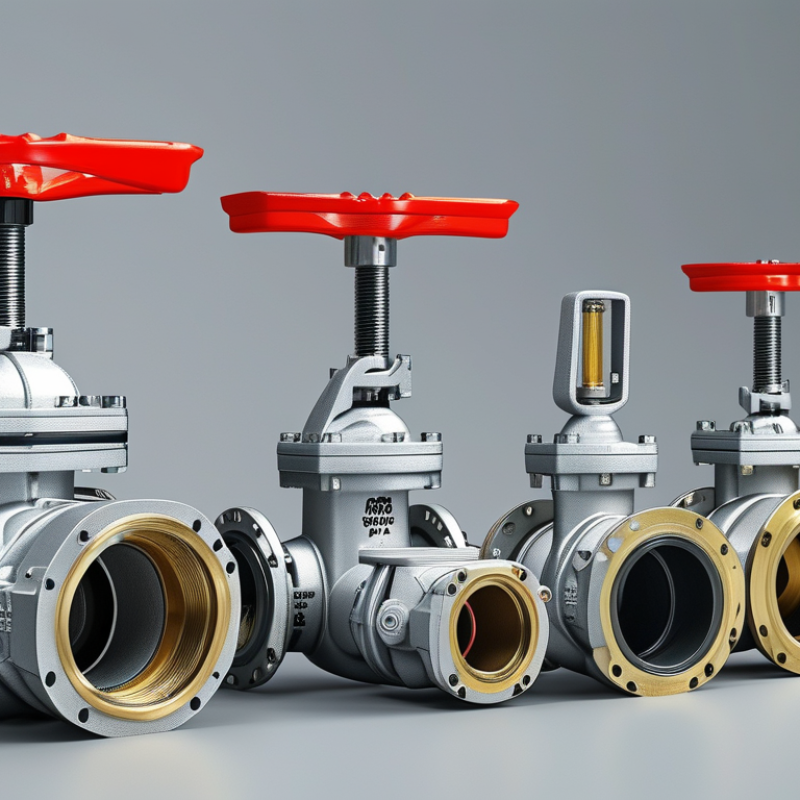
When selecting a butterfly valve for your project, understanding the various types is crucial. Butterfly valves come in several designs, each suited for specific applications. The most common types include concentric, eccentric, and double eccentric. Concentric valves are often used for water systems due to their simplicity. Eccentric designs provide better sealing under pressure, making them suitable for gas or steam applications. Double eccentric valves reduce friction and wear, ideal for larger systems or high-temperature environments.
Tips: Always check the material compatibility with the fluid. This prevents corrosion or unexpected failures. Consider the operating pressure and temperature of your setup. Each valve type has its limitations and exceeds performance in particular conditions.
In addition to type selection, look at the valve size and actuation method. Popular options include manual, electric, or pneumatic actuators. Incorrect sizing can lead to inadequate performance or leaks. Sometimes, simplifying your choices leads to better decisions. Always account for future maintenance needs to ensure longevity and reliability.
Key Factors to Consider When Selecting a Butterfly Valve
When selecting a butterfly valve, several key factors must be considered to ensure optimal performance. One crucial aspect is the valve's material. Different materials, such as rubber, stainless steel, or plastic, have unique properties. For instance, stainless steel is durable and corrosion-resistant, making it ideal for harsh environments. Assess the fluid type and temperature. This will heavily influence your choice.
Another vital factor is the valve size. It must match the pipeline dimensions to avoid flow issues. Oversized valves can lead to turbulence, while undersized ones may restrict flow. Consider the pressure levels in your system as well. The valve should withstand maximum pressure to prevent leaks or failures.
Operational conditions also matter. Think about whether the valve will be manual or automated. Automation can increase efficiency but requires additional components. Check the actuator requirements if you choose automation. Each decision carries weight, reflecting project needs. Balancing these criteria is challenging yet essential for overall system reliability.
Material Specifications for Butterfly Valves in Various Applications
Selecting the right material for butterfly valves is crucial for project success. Understanding the specific application can help narrow down choices. For instance, stainless steel is often used in food and beverage industries. Its corrosion resistance is exemplary. However, it may not be the best choice for highly abrasive environments.
PVC is lightweight and cost-effective, making it suitable for water treatment plants. Yet, it may not withstand high-pressure scenarios. For chemical applications, consider the compatibility of valve materials with various substances. For instance, fluoropolymers offer excellent chemical resistance but can be costly.
The wrong material choice can lead to failures. This may result in costly downtime and repairs. It is important to evaluate both the environment and the fluid handled. Reflections on past projects can provide insights into material selection mistakes. Ultimately, a thorough assessment helps ensure reliability and efficiency in your system.
How to Choose the Right Butterfly Valve for Your Project?
| Application | Material | Temperature Range (°C) | Pressure Rating (Bar) | Size Range (mm) |
| Water Treatment | Cast Iron | 0 to 60 | 6 | 50 - 300 |
| Chemical Processing | Stainless Steel | -20 to 120 | 10 | 25 - 600 |
| HVAC Systems | PVC | 0 to 50 | 5 | 40 - 200 |
| Food Processing | FDA Approved Plastic | -10 to 80 | 7 | 25 - 150 |
| Oil and Gas | Ductile Iron | -20 to 100 | 20 | 80 - 600 |
Sizing and Pressure Ratings for Optimal Butterfly Valve Performance
When selecting a butterfly valve, accurate sizing and pressure ratings are critical for effective performance. The valve's size impacts flow rate and overall system efficiency. A study from the Valve Manufacturers Association revealed that improperly sized valves can lead to energy losses of up to 30%. Understanding your system's pressure requirements is also essential to prevent valve failure. A valve rated for lower pressure than what your system requires can result in catastrophic failures.
Most butterfly valves come with pressure ratings that vary based on materials and designs. Common elastomers allow for different pressure ratings, significantly affecting performance. For instance, a valve made from ductile iron can withstand pressures up to 300 psi, while a plastic valve may only handle 150 psi safely. These parameters are crucial for selecting the right valve for applications involving high fluid dynamics.
In some cases, implementing a larger valve might seem beneficial, but it can lead to problems. Oversized valves often result in turbulence and inefficiencies in the flow. Balance is necessary. Consulting reliable technical resources and conducting a flow analysis can help clarify your decision-making process. Ensure that all variables are considered to optimize the valve's effectiveness in your project.
Installation and Maintenance Tips for Butterfly Valves
Installing a butterfly valve correctly is crucial for optimal performance. Start by ensuring that the valve is suitable for the pipeline system. The valve should match the size and pressure ratings of the pipes. Check the orientation before installation; butterfly valves can function in any position but tend to perform best when installed vertically. Sealing surfaces should be clean and free of debris to ensure a tight seal.
Routine maintenance is essential to prolong the valve's life. Periodic checks on the actuator and the valve body are necessary. Regularly look for signs of wear, such as leaks or stiffness in operation. Lubricating the valve internals can prevent corrosion. However, over-lubrication can cause issues too. Track any performance changes; they may hint at underlying problems.
Always follow manufacturer guidelines when maintaining the valves. Documentation can help in tracing maintenance histories. Not all valves require the same maintenance frequency, which can lead to neglecting some. Establishing a maintenance schedule can be beneficial. Remember that attention to detail in maintenance can prevent costly downtime.