How to Choose the Best Sink Strainer for Your Kitchen?
Choosing the right Sink Strainer for your kitchen can significantly impact your daily routine. A quality sink strainer prevents food debris from clogging your pipes. According to industry reports, clogged drains can lead to costly plumbing repairs, averaging approximately $300 per incident. A good strainer efficiently filters waste, reducing the frequency of these unfortunate events.
When selecting a sink strainer, consider material and design. Stainless steel is often recommended for durability and ease of cleaning. Reports indicate that well-designed strainers can capture up to 90% of food particles, which is essential for maintaining a clean kitchen. However, many users still face challenges, such as hard-to-clean designs or ineffective filtering.
Not all sink strainers perform equally. Some may fail in high-usage households, leading to unexpected blockages. Choosing the wrong one can result in more discomfort than convenience. Reflecting on your specific kitchen needs can ensure that your choice of sink strainer enhances your overall experience, rather than complicating it.
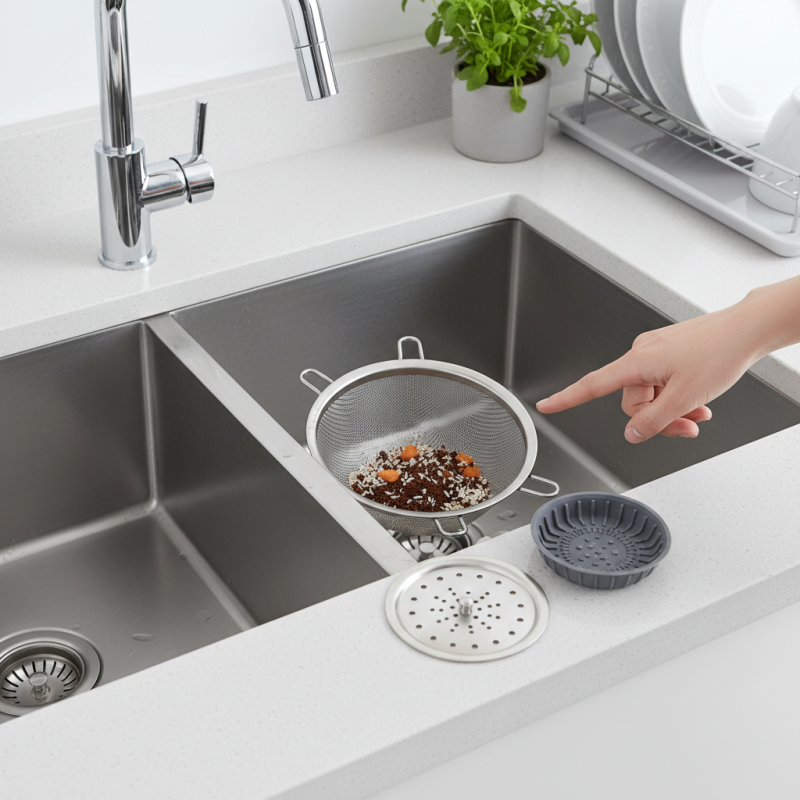
Understanding the Different Types of Sink Strainers Available
When it comes to sink strainers, understanding the types available is crucial. There are several designs, each suited for specific needs. A basic mesh strainer is common in many homes. It effectively catches food particles while allowing water to flow freely. However, the mesh can clog over time, requiring regular cleaning.
Bowls and baskets are more advanced options. These often come with handles, making removal and cleaning easier. They are perfect for busy kitchens where efficiency matters. Still, they may not catch tiny debris. Consider your cooking habits when choosing one. A strainer's effectiveness can vary based on its design and your usage.
Another option is a stopper-style strainer. This design not only prevents debris from washing down but also retains water for washing dishes. Yet, it can sometimes wear out or leak. Ensure you inspect these parts regularly. A good sink strainer should serve you well, but the right choice depends on your unique kitchen needs. It's essential to evaluate your options carefully.
Key Features to Consider When Choosing a Sink Strainer
Choosing the best sink strainer for your kitchen is crucial. Key features will guide your decision. Start by considering the material. Stainless steel is durable and resistant to rust. Plastic options are lightweight but may degrade over time.
Size matters significantly. The strainer must fit your sink perfectly. A too-small strainer will allow food particles to escape. Conversely, a strainer that is too large can be cumbersome. Pay attention to the design as well. A fine mesh design catches smaller debris. Coarser designs are easier to clean but may let smaller particles slip through.
Think about ease of maintenance. Some strainers require frequent cleaning due to clogs. A simple design can make your life easier. Reflect on your cooking habits. If you use a lot of fresh produce, a robust strainer is essential. Consider these features carefully. A little thought goes a long way.
Evaluating Material Options for Durability and Maintenance
When choosing a sink strainer, material significantly impacts durability and maintenance. Stainless steel is popular for its strength and resistance to rust. It can withstand daily wear, making it ideal for busy kitchens. However, it may show water spots or require regular polishing to maintain its shine.
Plastic is lightweight and affordable, but it may not hold up as well over time. It can crack or warp, especially in heat. Proper care can extend its life. Many people overlook the importance of cleaning their strainers. Regularly remove debris to prevent clogs.
For a blend of longevity and easy upkeep, consider silicone models. They are flexible, easy to clean, and resistant to mold. However, some users report that they can lose shape over time. Understanding these factors ensures you select the best sink strainer for your kitchen needs. Prioritize both functionality and aesthetics to create a seamless experience.
Material Comparison for Kitchen Sink Strainers
Sizing Your Sink Strainer for Optimal Performance
When selecting a sink strainer, size matters significantly. A strainer that fits snugly in your sink will function more effectively. A poorly sized strainer may let debris slip through, leading to clogs. It’s essential to measure your sink’s diameter and depth precisely. Even a small discrepancy can result in leaks or ineffective drainage.
Consider the style and design of your sink, too. A flat-bottomed sink may require a different strainer than a sloped one. Be mindful of the material as well; stainless steel is durable but can be heavier. Test various models at the store, if possible, to find one that aligns with your needs.
It’s easy to overlook these details, but small mistakes can lead to bigger issues. Regularly inspect your strainer for any signs of wear. Over time, even a well-sized strainer may need replacing. Remember, optimal performance comes from careful selection and maintenance. Reflect on your choices and how they affect your kitchen's efficiency.
How to Choose the Best Sink Strainer for Your Kitchen? - Sizing Your Sink Strainer for Optimal Performance
| Sink Size (inches) | Strainer Diameter (inches) | Material | Mesh Size | Ease of Cleaning |
| 22 | 3.5 | Stainless Steel | Fine | Yes |
| 24 | 4.0 | Plastic | Medium | Yes |
| 30 | 4.5 | Brass | Coarse | No |
| 36 | 5.0 | Ceramic | Fine | Yes |
| 42 | 5.5 | Stainless Steel | Extra Fine | Yes |
Installation Tips for a Hassle-Free Sink Strainer Setup
Installing a sink strainer can seem daunting. However, following simple steps can make the process smoother. Ensure you have all the necessary tools before starting. Common tools include a wrench, screwdriver, and plumber's tape. These items will be handy as you work through the installation.
Pay attention to the drain size. Many sinks come with standard drain sizes. Choosing a strainer that fits snugly is crucial. If the fit is too loose, you risk leaks. If it's too tight, it can damage the sink's edges. Take measurements of your drain before purchasing. This will save you time and frustration.
When getting ready to install, clean the area thoroughly. Removing old debris will provide a better seal. Applying plumber's tape can prevent leaks. It's easy to overlook this step, but it greatly impacts long-term performance. Check for any visible damage on your sink or drain before installing. If you notice any issues, addressing them now will save hassle later.