










JHY PCB Blog Hub

Your Source for Expert PCB Design, Manufacturing, and Assembly Insights – Stay Informed with 2025 Trends!

How to Choose a China Generator Factory in 2026?

In 2026, choosing a China generator factory is not just a price comparison. It is a check on engineering, production consistency, and the evidence behind performance claims. The International Energy Agency’s Electricity 2024 report projected average global electricity-demand growth of 3.4% annually from 2024 to 2026. That outlook does not predict generator sales, but it highlights why dependable power equipment remains important across industrial and commercial sites.

IEA Executive Director Fatih Birol described the trend this way: “The world’s electricity demand is set to grow at one of the fastest sustained rates in recent years.” For buyers, the practical question is whether a supplier can support its promises with verifiable records. Ask to see load-bank test results, component specifications, inspection procedures, and warranty terms. Check whether the factory can explain its engine, alternator, and control-panel choices without hiding behind a glossy brochure. Small details matter.

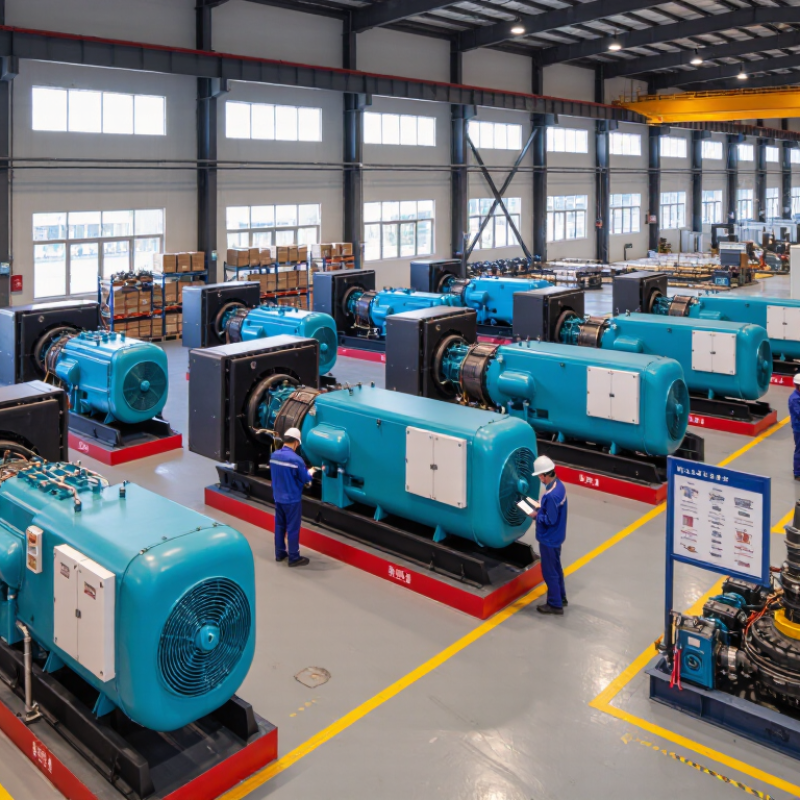
A factory visit can reveal more than a polished catalogue: look for labeled test bays, orderly parts storage, and technicians recording results. Confirm that the stated output matches your site conditions, including altitude, temperature, and operating hours. Standards such as ISO 8528 provide useful reference points for generating sets, but a certificate alone cannot prove every order will be consistent. Even careful buyers miss things. I would also ask for recent customer references and clarify who handles commissioning and after-sales support. Some checks feel tedious; skipping them can be costlier. The right choice is the supplier whose claims can be tested, documented, and followed up—not simply the one with the fastest quotation.
How to Choose a China Generator Factory in 2026?

Define Your Generator Requirements and Project Conditions

Before contacting a China generator factory, describe what the generator must actually do. List the running load in kilowatts, then identify equipment with high starting demand, such as pumps, compressors, or refrigeration units. A site drawing and recent load data are more useful than a rough estimate.

That sounds obvious. It is often missed.

Clarify whether the set will provide standby, prime, or continuous power. These duties affect engine sizing and service intervals. Record the required voltage, frequency, phase, and any limits on voltage fluctuation. Site conditions matter too: altitude, summer temperature, dust, humidity, and available ventilation can change performance.

Note the installation details, including indoor or outdoor placement, noise limits, fuel storage, exhaust routing, and access for maintenance. A narrow service aisle can become a real problem later.

In project reviews, unclear specifications often lead to mismatched quotations. I still find this step easy to underestimate. Send the factory a written duty profile, not just a target price or generator rating.

Ask how the proposed rating accounts for motor starting, future load growth, and site derating. Request the assumptions in writing, along with routine test records and the scope of supply. If the load data is incomplete, say so; a cautious estimate is better than false precision. Revisit the figures with the site engineer before approving the configuration.

Identify China Generator Factories That Match Your Needs

How to Choose a China Generator Factory in 2026?

Choosing a factory starts with defining the job, not comparing price sheets. List the equipment you will run, its starting load, required runtime, fuel preference, and site conditions. A farm pump used for several hours needs a different setup from backup power for a small clinic. That distinction matters. Ask whether the quoted output is for standby or continuous operation, and request the matching technical data.

Match the factory’s experience to your application. Request test records, production photos, and details about load-bank testing and quality checks. Ask how the team handles configuration changes, spare parts, and troubleshooting after delivery. Ask for evidence. A video call from the production floor can help, but it cannot verify every claim; an independent inspection may be worthwhile for a large order. Not every supplier will provide the same level of detail.

Check whether the factory can explain its lead time, packaging, and commissioning support in plain terms. Have it confirm the exact engine, alternator, controller, and included accessories in writing. Compare warranty coverage and response procedures, not just the warranty period. A low quote may omit practical items, such as battery cables or weather protection. Some capable factories may also be a poor fit if communication is slow or your order is highly customized. Recheck your assumptions before paying a deposit.

Assess Manufacturing Capability and Product Quality

A generator factory’s capability is more than its floor size or equipment list. Ask how it manages winding, assembly, and final testing, and whether these steps happen in-house. Request a walk-through of the production line. Look for organized workstations, calibrated instruments, and clear records linking components to finished units. Numbers matter.

Product quality should be demonstrated, not promised. Ask for recent load-test records showing output, voltage stability, temperature, and operating time. Check whether the test conditions match your intended use. Inspect sample welds, cable connections, paint coverage, and enclosure seals; small flaws can reveal uneven process control. A polished showroom is not proof of consistent production.

Request the quality plan, inspection criteria, and procedures for handling rejected parts. Ask how the factory verifies key components and tracks corrective actions when a batch fails. If possible, arrange an independent pre-shipment inspection and compare the sampled unit with the approved specifications.

No audit catches everything. A factory may have strong equipment yet weak documentation, and that deserves a closer look. Judge its capability by repeatable evidence, not confident sales claims.

Verify Certifications, Compliance, and Export Experience

When choosing a China generator factory in 2026, ask for documents tied to the exact model you plan to buy. A certificate for a similar unit may not cover its engine, alternator, control panel, or emissions configuration. Check the issuing body, validity dates, and product scope. Then compare the model number on the certificate with the nameplate and quotation. Small mismatch. Big question.

Compliance depends on the destination market and the finished generator’s specifications. Request applicable test reports, conformity documents, and emissions information, then confirm key details with the relevant authority or an independent inspection provider. Do not rely on a logo in a brochure. During a factory review, ask who maintains technical files and how design changes affect existing approvals. The answer should be specific, not just “we handle it.”

Export experience matters beyond shipment volume. Ask the factory to describe recent deliveries to your destination, including required documents, packaging, and customs procedures. Request a redacted sample document set, such as a packing list and certificate of origin, where appropriate. Check whether staff can explain warranty terms and spare-parts support in clear language. I would also ask about a delayed shipment or a rejected document; a candid account can reveal more than a polished sales presentation. No factory is flawless. Verify claims before paying a deposit.

Compare Pricing, Warranty, and After-Sales Support

How to Choose a China Generator Factory in 2026?

Compare the full delivered cost, not just the factory’s initial quote. The International Energy Agency’s Electricity 2025 report estimates global electricity demand grew 4.3% in 2024. IRENA’s Renewable Capacity Statistics 2025 records 585 GW of renewable capacity additions that year, a 15.1% increase. These figures do not prove generator demand, but they underline how site power needs can change. Ask for itemized pricing covering the generator, controls, testing, packaging, and shipping.

Warranty details deserve equal scrutiny. Get the start date in writing: shipment, commissioning, or another milestone can change the usable coverage period. Compare exclusions for labor, travel, consumables, and replacement parts. Request a sample claim process and the typical time for parts dispatch. A longer warranty is not automatically better. Small print matters.

For after-sales support, ask who handles faults in your region, how quickly they respond, and which spare parts they keep available. Request service records, technician qualifications, and a live demonstration of load-bank testing. I would treat a polished service promise cautiously until the factory names measurable response times and escalation steps. That check takes effort. Still, it may reveal more than another discount.

How to Choose a China Generator Factory in 2026?

Compare pricing, warranty, and after-sales support using the same five-point document checklist for each factory. The chart counts verification items—not market averages or supplier ratings.

Pricing: Itemized quotation, generator rating and configuration, included accessories, shipping terms, and payment terms.

Warranty: Warranty duration, start date, covered parts, exclusions, and claim procedure.

After-sales support: Technical support contact, response process, spare-parts availability, troubleshooting resources, and service arrangements.

Scroll to Top