Why Choose Aluminum Railing for Your Project?
Choosing a railing system affects safety, maintenance, and the finished look of a space. Aluminum Railing is often considered for decks, balconies, stairs, and walkways because it combines a relatively light frame with durable, corrosion-resistant metal. It can suit both modern homes and practical commercial projects. Still, no material is right for every setting.
Picture a deck above a damp garden, where rainwater collects near posts and joints. A properly specified aluminum system can resist rust better than ordinary steel, while powder-coated finishes offer a range of colors. That can mean less routine painting. Less upkeep matters. However, finish quality, drainage, installation, and local exposure all affect long-term performance. Salt air and harsh weather deserve particular attention. A low price alone tells you little.
For a useful comparison, consider more than appearance. Check the manufacturer’s load information, post spacing, fastening details, and compatible accessories. Confirm that the design fits the project’s conditions and applicable building requirements; a qualified professional can help assess uncertain details. Aluminum may also feel different from wood under hand or foot, and some systems have limited customization. That is worth weighing before ordering. I would not call it maintenance-free, because inspection and occasional cleaning still matter. The sections ahead explore these trade-offs and explain when Aluminum Railing may be a sensible choice for your project.
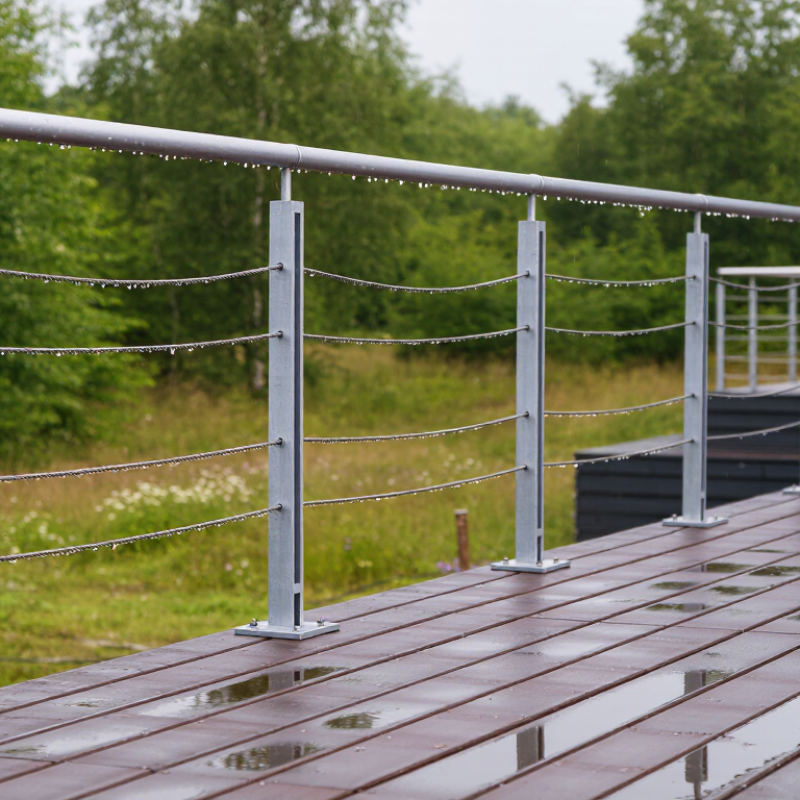
What Aluminum Railing Is and How It Is Made
Aluminum railing begins as an alloy, commonly from the 6xxx series, chosen for its balance of strength, formability, and corrosion resistance. Manufacturers heat a cylindrical billet and push it through a shaped die, creating long profiles for rails and posts. After cooling, the extrusions may be heat-treated, cut to length, and drilled for brackets or fasteners. The shapes are precise. But installation still depends on sound measurements and secure anchoring.
Parts are assembled with mechanical fasteners or, in some designs, welded joints. Anodizing or powder coating can add a protective finish and a chosen color. The International Aluminium Institute reports that recycling aluminum uses about 95% less energy than producing primary aluminum. The Aluminum Association has reported that roughly 75% of all aluminum ever produced remains in use, reflecting the metal’s recyclability and long service life. Those figures describe aluminum broadly, not every railing system. For a project, check the alloy, finish, post spacing, and attachment surface; a well-made rail can still feel loose if its supports are poorly fixed. I would not treat “low maintenance” as “no maintenance.” Check fasteners and coating condition periodically, especially near salt air.
Why Choose Aluminum Railing for Your Project? — What Aluminum Railing Is and How It Is Made
| Topic | What It Means | Why It Matters for a Project |
| What aluminum railing is | A guard or handrail system made from aluminum components, such as posts, rails, brackets, and infill panels or balusters. | It can be configured for locations such as decks, balconies, stairs, and walkways, subject to local building requirements. |
| Common base material | Many railing components are made from aluminum alloys. Alloy choice depends on the component, fabrication method, and required performance. | The material specification should be checked against the intended use, finish, and project requirements. |
| Extrusion | For many profiles, heated aluminum is pushed through a shaped die to produce a continuous cross-section, which is then cut to length. | Extrusion allows manufacturers to produce consistent rail and post profiles with shapes suited to assembly and design needs. |
| Cutting and machining | Profiles may be cut, drilled, punched, or machined to prepare connection points and fit the specified layout. | Accurate measurements and compatible fittings help components align during installation. |
| Surface finishing | Common finishes include powder coating and anodizing. Powder coating applies a dry coating that is cured; anodizing forms a controlled oxide layer on the aluminum surface. | The finish affects appearance and surface protection. Suitability depends on exposure conditions and the specified finish system. |
| Corrosion behavior | Aluminum naturally forms a thin oxide layer when exposed to air, which helps protect the underlying metal from further oxidation. | This property can make aluminum a practical option in many outdoor settings, although finish selection and maintenance still matter, especially in harsh environments. |
| Weight and handling | Aluminum has a density of about 2.7 g/cm³, making it lighter than many commonly used structural metals such as steel. | Lighter components can be easier to transport and handle, but the complete railing still needs properly designed supports and connections. |
| System assembly | Rails, posts, brackets, fasteners, and infill are assembled into a complete system according to its design and installation instructions. | Check substrate conditions, connection details, opening limits, and applicable code requirements before installation. |
| Design flexibility | Available profile shapes, colors, and infill options vary by system and finish specification. | Options can help coordinate the railing with the building design while meeting functional and regulatory needs. |
| End-of-life potential | Aluminum is recyclable, although actual recovery depends on collection, separation, and local recycling facilities. | Material recovery may be considered as part of a project’s waste-management plan. |
Note: Product details and code requirements vary by railing system, installation location, and jurisdiction. Confirm specifications with the project designer and local building authority.
Key Properties That Shape Aluminum Railing Performance
Aluminum railing combines low weight with useful structural strength, making it easier to handle on stairs, balconies, and decks. Its natural oxide layer helps resist corrosion, particularly in damp conditions. Still, the railing’s performance depends on alloy, profile, finish, and connection design. A slender rail may look clean, but long spans can flex if the system is not engineered for the project.
Finish quality shapes both appearance and upkeep. A durable powder-coated surface can add color and protect against routine weather exposure, while scratches may reveal the metal beneath. That matters. Near salt air or pools, rinse the railing periodically and check fasteners for corrosion or looseness. Dissimilar metals touching one another can also create problems in wet environments, so compatible hardware and isolating washers deserve attention.
Aluminum conducts heat and expands with temperature changes, so installers should allow for movement and follow the system’s specified spacing. Its light weight helps reduce handling effort, but it does not make every design equally rigid. Not every setting. Compare post spacing, rail dimensions, anchoring details, and finish specifications against the site conditions. I would not judge a railing by color alone; the less visible joints often determine how steady it feels years later.
Advantages of Aluminum Railing for Different Projects
For a residential deck or balcony, aluminum railing offers a clean sightline without adding much weight to the structure. Its slim posts can frame a garden view, while a durable finish helps it handle ordinary rain and sun. It is also easier to carry up stairs than many heavier railing materials. A small detail matters: check the spacing and feel of the rails before choosing a style. Looks can deceive.
On commercial walkways, apartment terraces, and shared outdoor spaces, aluminum can suit projects where consistent appearance and straightforward upkeep matter. Sections are often available in coordinated sizes, which can make installation more predictable across a long run. The material does not rust like steel, but that does not mean every component is corrosion-proof. Fasteners, cut edges, and finish quality deserve attention, especially where moisture collects.
Pool areas and coastal homes bring different demands. Aluminum’s resistance to rust can be useful near splashing water or salty air, and open rail designs can preserve views. Still, salt and cleaning chemicals may wear finishes over time. Inspecting joints and touching up damaged coatings can prevent small problems from growing. One point is easy to underestimate: a railing may feel firm in a short sample, yet flex on a wide, exposed span. Post spacing and secure anchoring need careful review for the actual project.
Common Applications in Residential and Commercial Spaces
Aluminum railing works well in residential spaces where a clear boundary should not feel bulky. On a front porch, narrow pickets preserve sightlines toward the garden while defining the edge. Along stairs, a continuous handrail offers a steady grip, especially where steps turn or lighting is limited. Balconies and raised decks also benefit from aluminum’s relatively low weight. Details matter. Post spacing, surface finish, and secure attachment to the underlying structure affect both appearance and performance. I would not call any railing maintenance-free; coastal air and frequent use still deserve attention.
Commercial properties use aluminum railing around office terraces, apartment walkways, storefront entrances, and accessible ramps. Its lighter components can make handling easier on a busy jobsite, though installation still needs careful measurement. For example, a railing fixed to concrete requires suitable anchors and a sound base, not just tidy-looking posts. Pool decks are another common setting, where finish durability and appropriate layout need checking against project requirements. Not every site suits the same design. A slim profile may fit a café patio but feel too open beside a crowded stairwell. That judgment is easy to overlook on a drawing.
Factors to Consider When Choosing Aluminum Railing
Why Choose Aluminum Railing for Your Project?
Factors to Consider When Choosing Aluminum Railing
Choosing aluminum railing starts with the conditions around your project. On a balcony exposed to rain, look for a durable finish and ask how it handles scratches and fading. Near the coast, salt can speed corrosion, so confirm that the coating and fittings suit the environment. Check the rail height, post spacing, and load requirements against local building rules before ordering. A sleek design is useful only if it fits the site.
Tips: Measure the full run, including corners and stairs. Bring a railing sample beside your siding or deck boards; colors can look different outdoors. Measure twice.
Also consider installation and upkeep. Some systems are designed for straightforward assembly, but uneven steps or an out-of-square deck can complicate fitting. Confirm which tools and fasteners are required, and whether replacement parts are available. Aluminum usually needs less routine care than wood, yet it is not maintenance-free: inspect connections and clean away dirt periodically. It is easy to focus on color and overlook hand comfort. A narrow top rail may look refined, but feel less secure to grip. That trade-off deserves a second look before you finalize the design.
Why Choose Aluminum Railing? Key Dimensions to Consider
Common U.S. building-code dimensions can help you plan a railing system. Requirements vary by code edition, building type, and local jurisdiction.
Typical references: IRC R312.1.2 (residential guards), IBC Section 1015 (guards), and IRC R311.7.8.1 (stair handrails). The 4-inch sphere rule limits openings; it is not a height requirement. Verify current local codes before selecting or installing a railing.