How to Calculate US DDU Logistics Costs for Global Buyers
Calculating US DDU Logistics costs requires more than checking an ocean or air freight rate. A realistic estimate begins at the supplier’s warehouse and ends at the buyer’s delivery address. Include pickup, export documentation, origin handling, international freight, destination handling, customs clearance support, and final-mile delivery. Under DDU, the buyer normally pays import duties, taxes, and required customs charges separately. Those amounts can change quickly.
Chris Jones, a recognized supply-chain technology expert, offers a useful reminder: “Visibility is the foundation of supply chain resilience.” This principle applies directly to US DDU Logistics. Each charge should appear as a visible line item, not as a vague “destination fee.” A shipment from Shenzhen to Chicago may involve carton collection, palletization, terminal fees, brokerage coordination, and delivery appointment costs. Weight and volume matter. So do the delivery zone and cargo class.
Ask for both actual weight and dimensional weight. Small errors can become expensive. For example, oversized cartons may trigger a higher airfreight bill, even when the scale shows modest weight. Buyers should also confirm whether fuel surcharges, storage, inspections, remote-area fees, and redelivery costs are included.
The estimate will not be perfect. That is normal. Port congestion, exchange-rate movement, and customs review can change the final amount. A careful buyer should request a written quotation, its validity period, and clear exclusions. Compare line by line. Do not compare only the headline freight price. Reliable US DDU Logistics planning depends on documented assumptions, realistic shipment data, and room for unexpected costs.
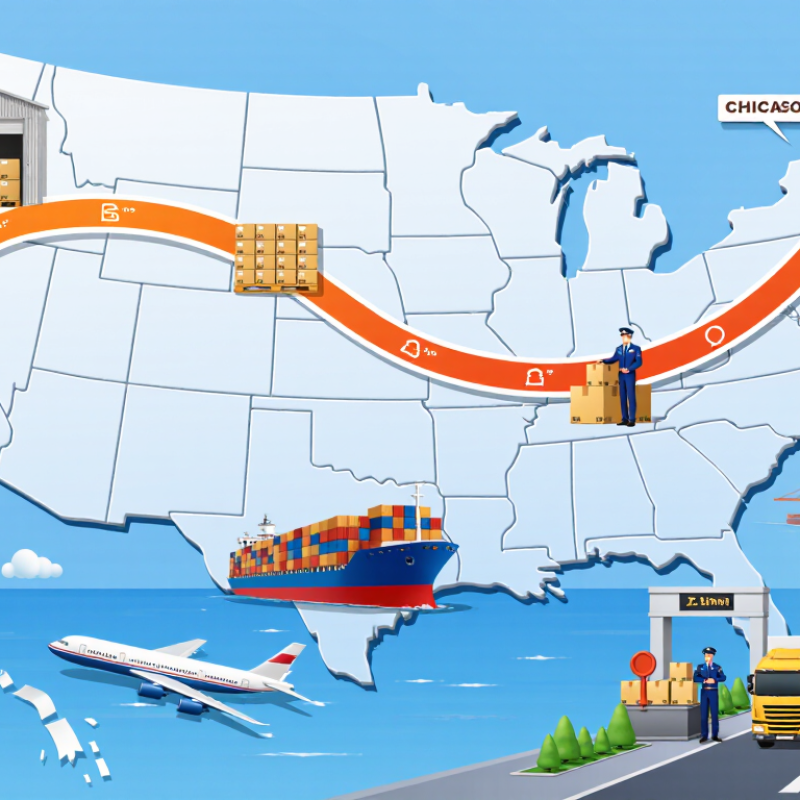
Define DDU Logistics and Its Cost Components
How to Calculate US DDU Logistics Costs for Global Buyers
DDU, or Delivered Duty Unpaid, describes a delivery arrangement where the seller transports goods to the buyer’s location. The buyer handles import clearance, duties, and taxes. DDU is an older trade term, often replaced by DAP under current Incoterms rules. Yet many logistics quotations still use DDU informally.
A practical DDU estimate begins with the product’s origin and destination. Add export packing, origin handling, documentation, and inland transport. International freight then depends on weight, volume, route, and service speed. Insurance may be separate. At the US destination, include terminal handling, customs brokerage, bond fees, and domestic delivery. Import duties and taxes remain the buyer’s responsibility. Their amount depends on product classification, customs value, and applicable US requirements. Sometimes, the invoice shows only ocean freight. That is incomplete.
Extra charges can appear quietly. Examples include residential delivery, remote-area surcharges, storage, redelivery, port congestion, and currency adjustments. A shipment arriving in Los Angeles may still need costly trucking to a warehouse in Ohio. I recommend requesting a line-by-line quote with assumptions, excluded fees, transit days, and clearance responsibilities. Keep the commercial invoice and packing list consistent. Small data errors can delay release. I have found that early estimates are useful, but rarely perfect. Recheck them when dimensions, quantities, or delivery addresses change.
Calculate International Freight and Export Handling Costs
To estimate US DDU logistics costs, separate international freight from export handling. DDU is an older trade term; many current quotes use DAP instead. Confirm the agreed term before comparing suppliers. Under this arrangement, the seller usually pays transport to the named US destination. The buyer handles import duties, taxes, and import clearance.
Start with chargeable weight, not only the scale weight. Air carriers often compare actual weight with volumetric weight. A carton measuring 60 × 40 × 40 centimeters may cost more than expected. Ocean freight usually depends on container space, shipment type, origin, destination, and seasonal capacity. Request a written quote showing the base freight, fuel surcharge, security fee, and destination delivery charge.
Export handling needs its own calculation. Include factory pickup, export packing, palletization, documentation, origin terminal fees, and customs broker service. For example, a shipment from Shenzhen to Los Angeles may require separate charges for trucking, export declaration, warehouse loading, and container handling. Add cargo insurance when the product value justifies it. I also allow a small contingency for storage or re-measuring fees. It is not perfectly precise. A spreadsheet can still mislead when dimensions change after packing. Check the final carton list, shipping date, and named delivery point before approval. Keep every assumption beside the price.
Estimate Import Duties, Taxes, and Destination Fees
How to Calculate US DDU Logistics Costs for Global Buyers
DDU means the seller delivers goods to the destination, but the buyer pays import charges. Under Incoterms 2020, DAP is the more current equivalent. Build the estimate from the customs value, usually the product price plus freight and insurance. The WTO World Tariff Profiles 2024 reports a 3.3% average applied MFN tariff for the United States. This is only a reference point. Product classification can change the duty rate sharply.
Add the Merchandise Processing Fee, customs-broker charges, and possible port expenses. The U.S. Customs and Border Protection fee schedule applies MPF as an ad valorem charge, with annual minimum and maximum limits. Ocean shipments may also incur the Harbor Maintenance Fee, commonly calculated at 0.125% of the commercial value. Destination trucking, terminal handling, storage, and inspection fees need separate quotes. Do not hide them inside one vague “delivery fee.”
Taxes require careful checking. The United States has no national import VAT, but state or local use tax may apply after importation. Rules depend on the buyer, product, and sales channel. The UNCTAD Review of Maritime Transport 2024 highlights continuing freight-rate volatility, so an old freight quote can distort the entire DDU calculation. I would keep a five-to-ten percent contingency. Even experienced teams miss weekend storage or document corrections. A clean spreadsheet can still be wrong. Verify the tariff code, customs value, broker quote, and destination address before payment.
How to Calculate US DDU Logistics Costs for Global Buyers
Estimated import-related costs for a US DDU shipment under a planning scenario with a 5% customs duty rate, an 8.25% sales or use tax rate, a merchandise processing fee of 0.3464% subject to a minimum charge of $33.58, and a $25 destination handling fee.
How to read this chart: The buyer’s estimated import-related cost increases with the customs value of the shipment. Actual duty rates depend on the product classification and country of origin, while taxes, brokerage, carrier handling, and destination fees vary by location and service type. International freight, insurance, and product cost are excluded.
Combine All Charges into the Total DDU Logistics Cost
DDU logistics cost means more than the ocean freight shown on a quotation. The buyer receives delivery to the agreed destination, but pays import duty and local taxes separately. Calculate the total DDU logistics cost by adding product pickup, export handling, international freight, cargo insurance, destination handling, customs clearance, inland delivery, storage, and documentation fees. The formula is simple: Total DDU Cost = origin charges + freight + insurance + destination charges + final-mile delivery. Keep each currency and unit visible.
UNCTAD’s Review of Maritime Transport 2024 states that shipping carries over 80% of global merchandise trade by volume. Small port or fuel changes can therefore affect landed costs quickly. The World Bank’s Logistics Performance Index 2023 compares 139 economies and highlights customs, infrastructure, shipment reliability, and timeliness. These factors help explain why two similar quotations may produce different final bills. Request written rates, validity dates, chargeable weight, free-storage days, and the exact delivery address. Also confirm who pays duty and tax. DDU is not duty paid.
A neat spreadsheet can still be wrong. Exchange rates, inspections, remote-area surcharges, and warehouse delays are easy to miss. I would add a contingency of 5% to 10%, then review it against recent invoices. That habit is imperfect, but practical. A customs broker’s estimate should support the calculation, not replace it.