











How to Buy KMnO4 Activated Alumina in Bulk
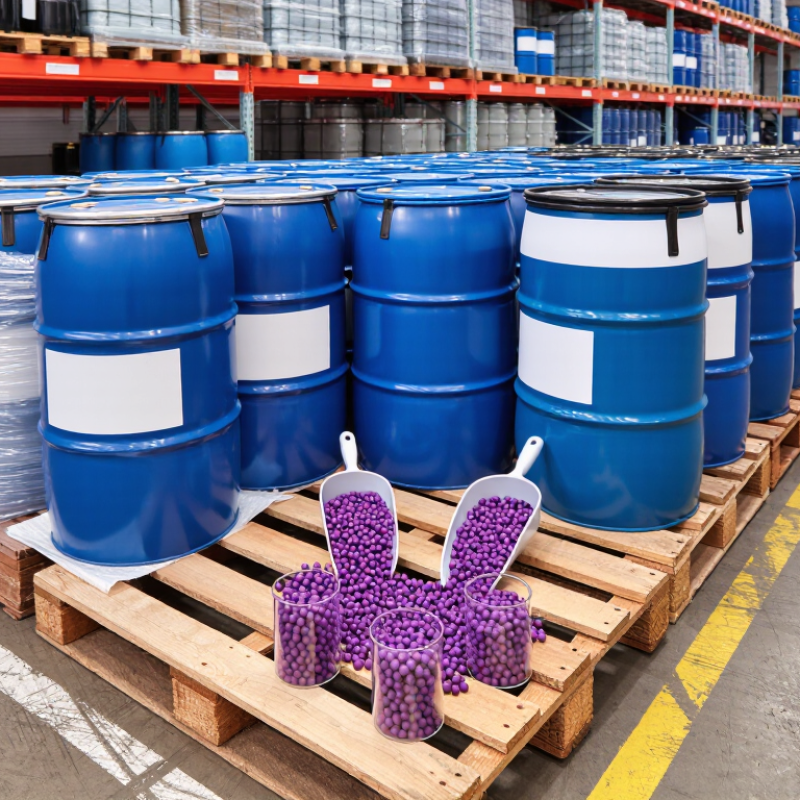
Buying KMnO4 Activated Alumina in bulk is not just a price comparison. The right grade must fit the gas stream, target contaminant, operating temperature, and replacement schedule. A supplier’s drum may look uniform, yet particle size, potassium permanganate loading, moisture, and packaging can affect performance. Ask for a current technical data sheet, safety information, batch traceability, and written storage guidance. Check whether the product is supplied in sealed pails or drums, and confirm the net weight before comparing quotes.
A useful purchasing principle is: “Match the media to the operating conditions, then verify the batch.” I cannot verify a named KMnO4 Activated Alumina specialist’s exact quotation, so I won’t attribute invented words to a real expert. Instead, treat that principle as a reminder to request supporting documents and clarify what the supplier guarantees. Ask about lead time, minimum order quantity, shipping conditions, sample availability, and replacement intervals. A low unit price can become costly if a pallet arrives late or the media does not suit the system.
Bulk buying also needs a realistic forecast. Estimate consumption from airflow, contaminant load, and service history, then leave room for uncertainty. Records are rarely perfect. That is worth admitting. Compare suppliers using the same specifications, and keep the approved product details with each purchase order. A careful checklist makes the decision easier to review later—and helps prevent a large order from becoming an expensive guess.
Specify Target Gases and Required KMnO₄ Media Capacity
Before requesting a bulk quote, identify every target gas and its expected concentration. Potassium permanganate activated alumina is used for certain oxidizable contaminants, but performance depends on the gas and operating conditions. Be specific. List typical and peak levels, humidity, temperature, and whether several contaminants may occur together.
Then define the required media capacity in measurable terms, such as contaminant mass removed per mass of media. Ask for test data and the conditions behind the stated working capacity. A headline capacity without gas concentration, airflow, and humidity can be misleading. Check whether the figure describes fresh media or a practical replacement point. These details matter. They help compare offers on a useful basis, not just by price per kilogram.
Estimate annual media use from gas loading, airflow, operating hours, and the documented working capacity. Include a safety margin for changing loads, but avoid ordering far beyond realistic storage needs. Ask how the media should be stored and what signs indicate replacement. A small pilot bed can reveal pressure drop or early breakthrough before a large purchase. The estimate may still be imperfect; field conditions rarely stay fixed. Revisit it after monitoring actual outlet readings and service intervals.
How to Buy KMnO₄ Activated Alumina in Bulk — Specify Target Gases and Required KMnO₄ Media Capacity
Use the figures below as example project inputs for requesting quotations, not as guaranteed media performance or universal treatment limits. Ask each supplier to confirm working capacity using the stated gas mixture, humidity, temperature, face velocity, and breakthrough endpoint. Capacity should be reported as milligrams of contaminant removed per gram of finished media.
| Target Gas | Example Inlet Concentration | Example Outlet Objective | Capacity Requirement to Specify | Bulk Purchase Details to Confirm |
|---|---|---|---|---|
| Hydrogen sulfide (H₂S) | 5 ppmv | ≤ 0.1 ppmv | Request supplier-certified working capacity in mg H₂S/g finished media; specify the breakthrough endpoint and test conditions. | Media mass per container, packing density, bead size, pressure drop, and disposal guidance. |
| Sulfur dioxide (SO₂) | 2 ppmv | ≤ 0.1 ppmv | Request a separate SO₂ working-capacity guarantee; do not assume an H₂S capacity rating applies to SO₂. | Confirm performance at the actual relative humidity and in the presence of competing gases. |
| Formaldehyde (HCHO) | 1 ppmv | ≤ 0.1 ppmv | Request supplier test data in mg HCHO/g finished media at the specified inlet and breakthrough endpoint. | Confirm the test method, contact time, temperature, and whether the rating is for single-gas or mixed-gas service. |
| Ethylene (C₂H₄) | 1 ppmv | ≤ 0.1 ppmv | Request an application-specific capacity and breakthrough curve; verify suitability for the intended concentration range. | State whether continuous removal or intermittent treatment is required and provide the expected service duration. |
| Mixed-gas service | List each target gas and its maximum expected concentration | Set a separate outlet limit for every target gas | Require mixed-gas test data or a documented design basis; capacities measured separately may not predict combined performance. | Provide gas composition, relative humidity, operating temperature, flow rate, and allowable pressure drop. |
| Bulk Order Specification | Information to Include in the Purchase Request |
|---|---|
| Media description | KMnO₄-impregnated activated alumina; request the KMnO₄ loading range and finished-media composition on the supplier’s specification sheet. |
| Required quantity | State the total mass required, package size, number of packages, and whether a trial quantity is needed before the bulk order. |
| Performance evidence | Request working-capacity data, breakthrough curves, test conditions, and the analytical method used to measure inlet and outlet concentrations. |
| Physical properties | Specify bead or granule size, bulk density, moisture content, fines limits, and allowable pressure drop for the planned bed. |
| Delivery and handling | Confirm packaging, storage conditions, shelf-life information, safety documentation, lot traceability, and applicable transport requirements. |