










JHY PCB Blog Hub

Your Source for Expert PCB Design, Manufacturing, and Assembly Insights – Stay Informed with 2025 Trends!

7 Best Self Locking Connectors for Global Buyers

A connector failure can stop a production line, loosen a sensor signal, or delay equipment commissioning. That is why choosing a Self Locking Connector involves more than comparing shapes and prices. MarketsandMarkets’ 2023 connector-market report estimated the global market at about USD 84.5 billion, with projected growth through 2028. That figure covers connectors broadly, not self-locking products alone, but it signals a large and changing supply landscape. Buyers still need to verify each product’s actual performance. A market forecast cannot tell you whether a latch will hold under your machine’s vibration.

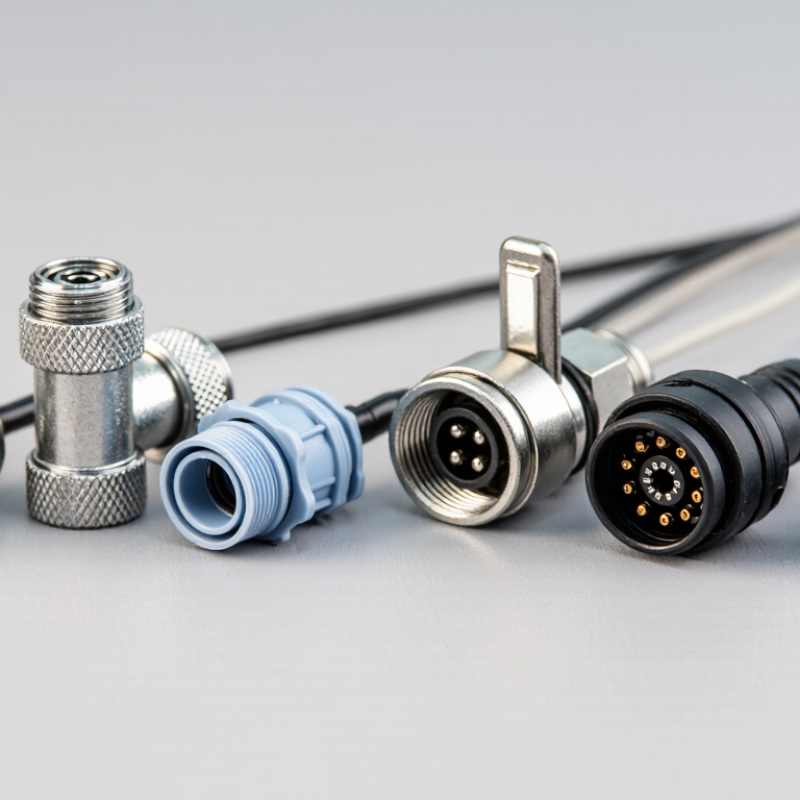
This guide compares seven self-locking connector options by locking method, mating ease, environmental protection, and typical application. Push-pull designs can speed frequent connections; threaded couplings may suit installations where resistance to loosening matters. Bayonet styles offer a quick quarter-turn, though their fit depends on the specific system. Small details count: cable diameter, contact arrangement, operating temperature, ingress-protection rating, and mating-cycle rating. Check datasheets and test samples against real installation conditions. Ask suppliers for traceable specifications and clear test methods, not just a confident sales claim. IEC 61984 provides safety requirements for certain electrical connectors, but its scope does not automatically apply to every product in this list. No connector is perfect. Even a strong lock can frustrate technicians if access is tight or replacement parts are difficult to source. The best choice is the one that balances secure retention, serviceability, and verified suitability for your equipment and market.
7 Best Self Locking Connectors for Global Buyers

What Self-Locking Connectors Are and How Their Locking Mechanisms Work

A self-locking connector uses a mechanical feature to resist accidental separation after mating. The term covers several designs, not one universal mechanism. A threaded coupling draws the halves together as the nut turns, while a bayonet design locks with a short push-and-twist motion. Push-pull connectors use an internal sleeve or latch that releases only when deliberately moved. That click matters. It signals engagement, but it does not prove the connection is fully seated or electrically sound.

Inside the connector, spring-loaded latches, locking rings, or shaped grooves hold mating parts in position. The contact pins carry the signal or power; the locking parts provide retention. This distinction matters under vibration, repeated handling, or cable strain. In practical selection, check the specified mating cycles, retention force, ingress protection, and cable diameter. A strong lock can still fail if the connector is mismatched or pulled sideways. “Self-locking” alone is not a performance rating, and specifications vary by design.

Tips: Mate the connector by its housing, not by pulling the cable. Check alignment before pushing or turning, then give the joint a light pull test. For field use, confirm that gloves allow reliable release; this detail is easy to overlook.

Self-Locking Connector Mechanisms

How common connector mechanisms engage their locks

Values show whether a feature is typical of each mechanism: 1 = yes, 0 = no. Threaded and bayonet designs use rotation to lock; push-pull designs engage axially; snap-latch designs use a flexible latch. Specific designs may differ.

The Main Types of Self-Locking Connectors and Their Applications

Self-locking connectors use different mechanisms to resist accidental separation. Threaded circular types suit sensors, control equipment, and outdoor machinery, where vibration or cable movement can loosen a weak connection. Their coupling nuts provide a firm hold, but assembly takes longer. Push-pull connectors allow quick, one-handed mating, useful on test instruments and medical equipment that need frequent changeovers. Bayonet types lock with a short twist, making them practical for lighting and industrial controls. Rectangular latches commonly connect modules inside control cabinets. Small detail, big consequence: a latch must be reachable after installation.

Selection should match the environment, not just the connector’s appearance. Check contact count, current rating, cable size, mating cycles, and ingress protection; then test the assembled cable under expected vibration and handling. IEC 61984 provides safety requirements for connectors, while IEC 60529 defines IP enclosure ratings. These standards help frame evaluation, but they do not replace application-specific testing. Grand View Research estimated the global electrical connectors market at USD 84.6 billion in 2023; that figure covers a much broader category than self-locking products. Treat it as market context, not a forecast for one connector type. A fitting can feel secure on the bench and still fail when a cable pulls sideways. That part is easy to overlook.

How to Compare Connectors by Performance, Materials, and Environment

Self-locking connectors should be compared by more than locking force. Check contact resistance, current rating, and mating-cycle data under the conditions your equipment will actually face. A connector that feels secure on a workbench may loosen when exposed to vibration or repeated handling. Ask suppliers for test methods and results, not just headline specifications. Small differences matter.

Tips: Match the connector’s materials to its environment. Stainless steel or treated metal may suit exposed hardware, while the right polymer can reduce weight and resist moisture. Confirm temperature limits, sealing details, and chemical compatibility. Test it.

Environmental details can change the shortlist. Dust, salt spray, condensation, and temperature swings affect housings, seals, and contacts differently. Compare material and finish descriptions carefully; “corrosion resistant” alone does not explain performance in your application. Request drawings and samples when fit or cable routing is uncertain. A sample test takes time, but skipping it can be the costlier choice. I’d still treat supplier data as a starting point, not a guarantee.

7 Best Self-Locking Connector Types for Global Buyers

Self-locking connectors help prevent separation when vibration, cable pull, or repeated servicing threatens a connection. Grand View Research valued the global electrical connector market at USD 84.2 billion in 2023 and projected 5.6% annual growth from 2024 to 2030. That figure covers many connector types, not self-locking designs alone. Seven practical options are threaded circular, bayonet, push-pull, automotive lever-lock, rectangular-latch, secondary-lock quick-disconnect, and positive-lock board-to-board connectors.

Threaded circular types suit exposed equipment, where crews can verify a tightened coupling by touch. Bayonet styles lock with a short twist, while push-pull designs speed access in crowded panels. Automotive lever-lock connectors help secure multi-pin harnesses; rectangular latches fit control cabinets and appliances. Secondary-lock quick-disconnects add a backup retainer, useful where service vibration is common. Positive-lock board-to-board connectors resist movement inside compact electronics. Small details matter.

IEC 60512 describes test methods for electrical connectors, including mechanical operation and durability. Buyers should compare mating-cycle ratings, contact resistance, vibration performance, and the force needed for release. These figures are not interchangeable across test conditions. I would still test the actual cable routing and enclosure: a reliable lock cannot compensate for a connector pulled sideways all day.

7 Best Self-Locking Connector Types for Global Buyers

Connector Type How It Locks Typical Applications Key Advantages Buyer Considerations
Threaded Circular Connector A threaded coupling nut secures the mating halves. Industrial equipment, outdoor sensors, automation systems, and instrumentation. Provides a secure connection and resists loosening from vibration when properly assembled. Check thread type, contact arrangement, cable entry, and the required ingress-protection rating. Mating interfaces are not universally interchangeable.
Bayonet Circular Connector Pins and slots engage with a short twist to lock the connector. Portable equipment, test systems, communications equipment, and field-service applications. Quick to connect and disconnect, often with clear tactile or audible engagement. Confirm the specific bayonet interface and contact layout. A bayonet coupling alone does not define environmental sealing or electrical performance.
Push-Pull Circular Connector A push-on connection locks automatically; a sleeve or release mechanism unlocks it. Medical equipment, measurement devices, compact electronics, and applications requiring frequent mating. Fast one-handed operation and a compact coupling mechanism. Verify the release method, cable strain relief, contact configuration, and whether the chosen version meets cleaning or sealing requirements.
Latch-Lock Rectangular Connector One or more spring latches engage with matching features on the housing. Control cabinets, machinery, appliances, and wire-to-wire connections. Simple mating and release, with a visible or tactile indication of engagement on many designs. Check latch durability, housing keying, terminal type, and whether a secondary lock is needed to help retain contacts.
Lever-Lock Heavy-Duty Rectangular Connector Levers or locking handles pull the connector halves together and retain them. Industrial machinery, power distribution, and equipment exposed to vibration or rough handling. Provides firm retention and can make mating larger connector assemblies easier. Compare enclosure size, number of poles, current and voltage ratings, cable-entry options, and the enclosure's specified protection level.
Locking Wire-to-Board Connector A latch or positive-lock feature retains the cable-side housing on a circuit-board header. Appliances, control electronics, lighting, and internal equipment wiring. Helps prevent accidental separation and supports organized, removable wiring. Match the exact pitch, housing and header series, pin count, wire range, and terminal type; similar-looking parts may not mate.
Locking Coaxial Connector A threaded or bayonet coupling secures the coaxial cable to its mating interface. Radio-frequency equipment, antennas, test instruments, and video systems. Helps maintain a stable connection for coaxial signal paths and can reduce accidental disconnection. Confirm the connector interface, cable impedance, operating frequency range, and required return-loss or shielding performance.

How to Check Standards, Certifications, and Supplier Compatibility

When comparing self-locking connectors, check the standard against the connector’s actual use, not just its product listing. Requirements can differ by industry, installation environment, and destination market. Ask suppliers for current test reports and certificates, then confirm that the documents cover the exact connector series and configuration you plan to buy. A certificate for a similar-looking model may not apply. Small details matter.

Tips: Compare rated voltage, current, temperature range, ingress protection, and locking method. Check whether the stated ratings apply when connectors are mated. Request a drawing with pin layout and dimensions, then compare it with your cable and equipment. Keep copies of documents with the purchase record.

Supplier compatibility takes more than matching a plug shape. Confirm contact materials, wire sizes, tooling, mating parts, and replacement availability. Ask how the supplier handles production changes and whether they can provide traceable batch information. If possible, test samples under your real installation conditions, including vibration or repeated mating. A tidy datasheet helps, but it cannot reveal every fit issue. I would still leave time for a sample review; schedules often make that step tempting to skip.

Scroll to Top