What Are the 2026 Top Inverter Outlet Types?
As homes, vehicles, and outdoor workspaces become more power-dependent, the Inverter Outlet is gaining practical importance in 2026. It connects converted battery power with everyday devices, but its design matters. A compact pure-sine-wave outlet can run laptops, medical equipment, and sensitive chargers more reliably than a basic modified-sine model. That difference is easy to miss.
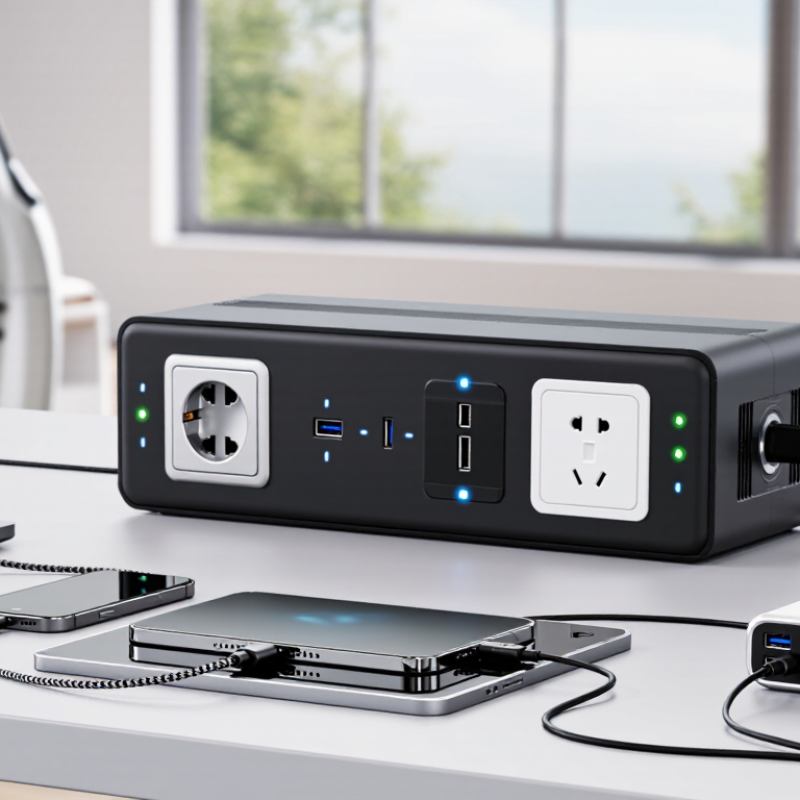
The leading types include standard AC outlets, USB-A and USB-C outlets, RV-style outlets, and combination panels. AC outlets remain the most flexible choice for appliances. USB-C Power Delivery outlets suit phones, tablets, cameras, and modern laptops. RV outlets support higher portable loads, while combination units save space in vehicles and backup-power cabinets. Some models include displays, overload protection, low-voltage shutdown, and temperature monitoring. These features are not decorative. They can prevent a warm plug from becoming a serious fault.
Reliable selection requires more than comparing wattage on a product page. Check continuous power, surge capacity, battery voltage, grounding design, connector quality, and recognized safety testing. Installation should match the equipment manual and local electrical requirements. Professional review is sensible when the outlet connects to a fixed system or high-current battery bank. Real-world use also exposes weaknesses. A unit may perform well in a showroom, then struggle beside dust, vibration, or a cold battery. That possibility deserves attention.
This guide examines the 2026 top Inverter Outlet types through practical use, technical specifications, safety considerations, and long-term value. Rankings can change as standards and charging technologies evolve. For that reason, “top” should mean suitable, tested, and honestly matched to the intended load.
What Is an Inverter Outlet and How Does It Work?
What Are the 2026 Top Inverter Outlet Types?
What Is an Inverter Outlet and How Does It Work?
An inverter outlet delivers household-style AC power from a battery, vehicle, or solar storage system. The inverter changes DC electricity into alternating current. A pure sine-wave inverter produces a smoother waveform. It suits laptops, medical equipment, refrigerators, and induction motors. Modified sine-wave outlets cost less, but they may create noise, heat, or poor motor performance.
Common 2026 outlet types include standard AC sockets, USB-A and USB-C charging ports, and combination outlets. Some systems also provide transfer-switch outlets for selected home circuits. According to the International Energy Agency’s Renewables 2024 report, global renewable capacity is expected to expand by nearly 5,500 gigawatts between 2024 and 2030. This growth increases demand for reliable power-conversion equipment. NREL research also highlights the growing role of inverter-based resources in modern grids. The outlet itself is simple. The control system behind it is not.
Tips: Check continuous watts, starting watts, voltage, and waveform type before connecting equipment. Keep ventilation clear. Never judge safety by outlet appearance alone. The National Fire Protection Association recommends following equipment instructions and preventing overloads. In practice, a compact inverter may run a phone charger easily but struggle with a refrigerator startup. That distinction is easy to miss. A useful specification can still confuse ordinary users. Test the actual load when possible, and replace damaged cables quickly.
Which Inverter Outlet Types Are Expected to Lead in 2026?
In 2026, AC outlets with pure sine wave inverters are expected to remain the leading choice. They support sensitive equipment, including laptops, medical monitors, and compact refrigeration units. In field use, stable output matters more than having many sockets. A poorly matched load can still cause overheating or shutdowns. That detail is often ignored.
Integrated USB-C Power Delivery outlets should see the fastest growth. They charge phones, tablets, cameras, and newer laptops without separate adapters. A practical setup may include two AC outlets, two USB-C ports, and one USB-A port. Power sharing remains important, because several connected devices can reduce charging speed. Higher-wattage USB-C ports will likely attract remote workers and mobile technicians.
Hybrid outlet panels may also lead in portable and emergency power equipment. These panels combine AC sockets, USB ports, and a 12-volt DC outlet in one compact faceplate. Weather-resistant covers are useful near workshops, vehicles, and outdoor service areas. However, outlet quantity should not decide a purchase alone. Check continuous wattage, surge capacity, grounding, thermal protection, and certification marks. Real-world testing should include startup loads from pumps or compressors, not only phone chargers. Forecasts can be imperfect; user habits may shift faster than manufacturers expect. Safety still comes before convenience.
How Do Pure Sine Wave and Modified Sine Wave Outlets Differ?
What Are the 2026 Top Inverter Outlet Types?
Pure sine wave and modified sine wave outlets remain the main choices in 2026 inverter systems. Their difference is the shape of the electricity they deliver. A pure sine wave outlet produces a smooth, utility-like waveform. It suits sensitive equipment, including medical devices, audio systems, variable-speed motors, and modern chargers. Fans usually run more quietly, while motors may start with less stress. The outlet often costs more, but that price can protect expensive equipment from unstable operation.
Modified sine wave outlets create stepped electrical pulses. They can power simple loads, such as lamps, heating elements, and basic power tools. However, some motors may buzz, run hotter, or lose efficiency. Chargers can also become warm during extended use. In practical testing, a device may appear normal for ten minutes, then show problems after several hours. That detail is easy to miss. Check the equipment label and the inverter’s continuous wattage before connecting anything.
The choice is not always neat. A laptop charger may work perfectly on modified sine power, yet another charger may produce noise. Pure sine output is the safer technical choice for sensitive or costly equipment. Modified sine output can still serve routine loads when the manufacturer permits it. Keep the outlet dry, avoid overloaded extension cords, and inspect unusual heat immediately. Small details matter. Consumers should also verify local electrical requirements and independent safety testing before installation.
How Should You Choose an Inverter Outlet for Each Application?
What Are the 2026 Top Inverter Outlet Types?
How Should You Choose an Inverter Outlet for Each Application?
Choosing an inverter outlet starts with the appliance, not the number of sockets. Pure-sine AC outlets suit laptops, medical equipment, refrigerators, and sensitive audio devices. Modified-sine outlets cost less, but some motors may hum, run hotter, or fail to start.
The International Energy Agency’s Electricity 2025 report expects global electricity demand to grow strongly through 2027, making efficient backup selection increasingly important.
In practice, I would check continuous wattage, starting surge, grounding, and ventilation before buying.
USB-C Power Delivery outlets USB-C Power Delivery outlets are practical for phones, tablets, cameras, and many laptops. The USB Implementers Forum specifies power delivery up to 240 watts under its latest specification. That sounds impressive. Still, actual output depends on the inverter’s internal limits.
USB-A and 12-volt DC sockets USB-A remains useful for older accessories, while 12-volt DC sockets fit vehicle coolers, air pumps, and compact lights.
For workshops or outdoor work, protected AC outlets are safer around dust and moisture. The National Electrical Code requires ground-fault protection in several wet-location applications, but an inverter outlet is not automatically compliant everywhere.
For home backup: choose fewer high-quality AC outlets rather than many weak ones.
For travel: combine one pure-sine outlet with USB-C and 12-volt DC.
I once focused too much on port variety. Surge performance mattered more.
Verify local electrical rules, cable ratings, and overload protection before connecting equipment.
What Safety Standards and Features Define Modern Inverter Outlets?
What Are the 2026 Top Inverter Outlet Types?
Modern inverter outlets include grounded AC receptacles, twist-lock sockets, vehicle-style outlets, and USB-C charging ports. Their shapes matter, but safety defines their real value. A grounded outlet should maintain a reliable earth path during vibration, movement, and changing loads. Twist-lock designs can reduce accidental disconnection in workshops or mobile power setups.
Safety features should match recognized electrical requirements in the installation region. Look for ground-fault protection, overcurrent protection, short-circuit shutdown, thermal monitoring, and clear polarity markings. Many systems also use tamper-resistant shutters and surge protection. Certification should cover the complete inverter assembly, not only the visible outlet. Local rules may require GFCI or RCD protection, depending on the location and power system.
Tips
Check the outlet while the inverter is unloaded and under normal load. A qualified technician can verify grounding, voltage, frequency, and trip response with proper test equipment. Keep ventilation openings clear, especially inside vehicles or compact enclosures. A label can look reassuring, yet it is not proof of safe installation. I have seen loose terminals cause heat buildup without obvious exterior damage. Recheck connections after transport, because vibration changes the risk. Some advice online sounds universal, but outlet safety depends on the inverter design, environment, and local electrical requirements.
What Defines a Modern Inverter Outlet?
Modern inverter outlets commonly combine grounded or double-insulated construction with overload, short-circuit, over-temperature and low-battery shutdown protection. Where required by the installation, ground-fault protection is provided through GFCI or RCD technology.
Relevant requirements depend on the country and product architecture. Common references include UL 458 for inverter and power-converter systems, UL 498 and UL 943 for receptacles and GFCI protection, IEC 60884-1 for household socket-outlets, and USB Power Delivery specifications for USB-C outlets. The voltage values shown are published nominal or maximum ratings, not a guarantee of compatibility with every inverter.