2026 Best CFRP Roughing Cutters for Global Buyers
Choosing the right Cfrp Roughing Cutters in 2026 requires more than comparing catalogue prices. Carbon-fiber reinforced polymer behaves differently from aluminum, steel, and conventional plastics. Its abrasive fibers can wear cutting edges quickly, while heat may damage the resin matrix. A cutter that performs well on a thick aerospace panel may struggle with a thin automotive bracket. Real machining experience matters here.
This guide examines tool geometry, carbide quality, coating performance, flute design, and chip evacuation for global buyers. It also considers spindle speed, feed rate, workholding, dust extraction, and supplier consistency. Small details matter. A sharp edge, stable runout, and properly controlled feed can reduce delamination around drilled pockets. Experienced users should inspect tool wear under magnification, not rely only on cutting time. Manufacturer test data helps, but independent trials remain valuable. Specifications can look impressive.
Reliable purchasing also depends on traceable materials, clear dimensional tolerances, replacement availability, and technical support across regions. Buyers should request sample tools and test them on their actual CFRP grades before placing large orders. Dry machining may suit some applications, while others require carefully managed cooling or dust-control procedures. No universal cutter exists. Even premium Cfrp Roughing Cutters can underperform when the toolholder, spindle, or cutting parameters are poorly matched. That limitation deserves honest attention. This overview therefore compares practical options, not unrealistic promises, helping engineers and distributors make defensible decisions for demanding CFRP production in 2026.
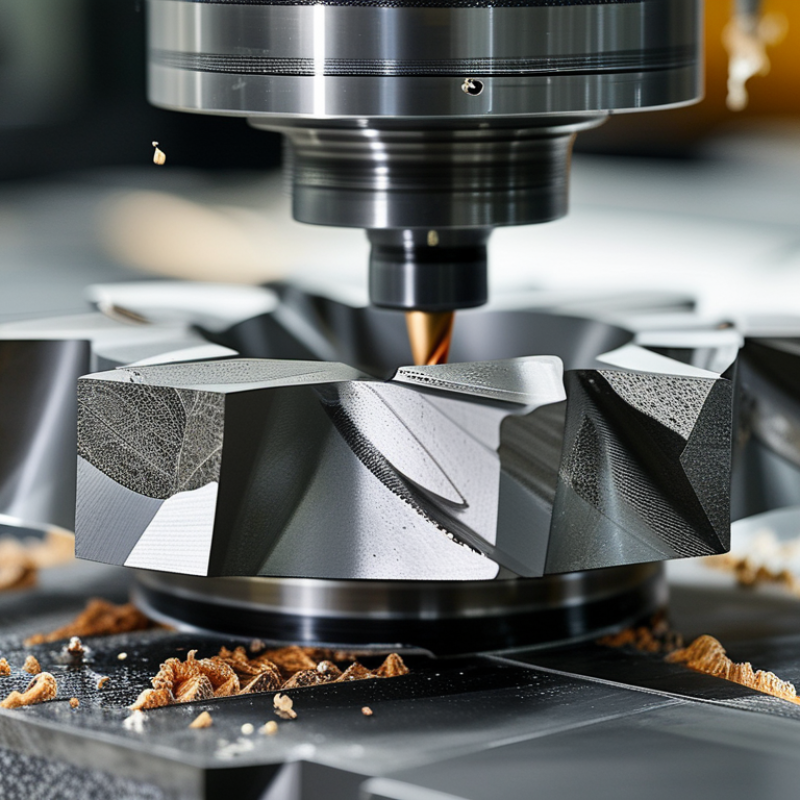
What CFRP Roughing Cutters Are and Why They Matter in 2026
2026 Best CFRP Roughing Cutters for Global Buyers
What CFRP Roughing Cutters Are and Why They Matter in 2026
CFRP roughing cutters remove material quickly from carbon-fiber-reinforced polymer before finishing. Their geometry must manage abrasive fibers and heat-sensitive resin. Standard metal-cutting tools often wear quickly or create fuzzy edges. Purpose-built cutters use strong carbide bodies, optimized flute spacing, and chip-control features. Some designs also use diamond coatings for longer service life.
In real machining, tool life depends on more than the cutter. Feed rate, spindle speed, clamping, and laminate direction all matter. Poor chip evacuation can leave black dust around the work area. Excessive heat may soften resin or cause delamination near the exit. I have seen a cutter remain sharp while the workpiece quality declined. That mistake is easy to miss during purchasing. Buyers should request test data, recommended parameters, runout limits, and inspection guidance. Local material thickness and machine rigidity should also influence the selection.
Tips: Start with a conservative cutting trial. Check edge fuzz, surface temperature, and dust behavior after each pass. Use effective extraction and suitable protective equipment. Compare actual parts-per-tool, not only the listed tool life. Record results across different laminate stacks. A low-cost cutter can become expensive when it causes rework. Even experienced teams need to reassess settings when resin systems or fiber orientations change.
Key Cutter Designs and Materials for CFRP Roughing
CFRP roughing cutters must remove material quickly without opening fibers or burning the resin. In shop trials, diamond-coated carbide tools often provide a practical balance between cost, stiffness, and wear resistance. PCD cutters can last longer in abrasive laminates, but they require stable machines and careful handling. No cutter wins every panel.
Design matters as much as material. A compression-cut geometry can reduce top and bottom delamination during trimming. Up-cut and down-cut edges should be matched to the laminate stack and fixture support. Variable-pitch flutes help reduce vibration, while limited flute contact improves chip evacuation. Sharp edges are useful, but excessive edge fragility can cause early chipping. That trade-off is easy to underestimate.
Tips: Check the laminate thickness, fiber direction, and resin system before selecting a cutter. Start with conservative feed settings, then adjust using tool-wear marks and surface quality. Keep dust extraction close to the cutting zone. Fine carbon dust can damage equipment and requires suitable workplace controls. Record cutter life by cutting length, not only by machining hours. I have seen inconsistent results when operators compare tools without recording these details. Test panels still matter.
How to Compare CFRP Roughing Cutter Performance
Comparing CFRP roughing cutters requires more than reading catalog claims. In practical machining, I record material removal rate, spindle load, edge wear, and surface damage. The most useful test uses identical laminate, tool diameter, depth, and machine settings. Measure the whole cut. A fast cutter may still be costly if it causes delamination or frequent tool changes.
I inspect the entry and exit edges with magnification. Frayed fibers often reveal poor cutting stability before the surface looks seriously damaged. Cutting temperature also matters. Excessive heat can soften the matrix and leave a rough, discolored edge.
Dust evacuation deserves attention too, because packed carbon particles can affect visibility, bearings, and operator protection. These details are easy to overlook during a short demonstration.
My comparison sheets include cutting time, tool life, chip evacuation, and final edge quality. I also repeat each trial because one successful pass proves little. No cutter wins every test. A geometry that performs well on thin panels may struggle with thick laminates or interrupted cuts. I have seen a tool appear superior until a longer production run exposed rapid corner wear. Buyers should request realistic samples and review measurable data, not attractive claims alone. Slightly lower speed can be the better choice when it delivers stable edges and predictable maintenance.
Selecting the Right Cutter for Different Machining Requirements
Choosing a CFRP roughing cutter starts with the laminate, not the catalogue title. Fiber direction, resin content, thickness, and sandwich structure all affect tool performance. A diamond-coated cutter can resist abrasive carbon fibers, while flute geometry controls chip evacuation and heat. For thick panels, select a tool with stable cutting edges and enough clearance to prevent resin smearing. For thin sheets, lower cutting forces matter more. Small details matter.
Machining conditions should match the machine, fixture, and dust-extraction system. High spindle speed is not always better; excessive heat may soften resin and damage the surface. Check toolholder runout, because even slight imbalance can create uneven wear. Test the cutter on a small coupon before full production. Measure edge quality, delamination, dust behavior, and tool wear. A cutter that performs well on one panel may fail on another. This is easy to underestimate.
Tips: Match flute count to chip load and machine power. Use rigid workholding and efficient extraction. Inspect the cutting edge under magnification after each trial batch. Record feed rate, spindle speed, and surface results. Supplier data is useful, but real laminate testing remains necessary. One overlooked variable can change the result.
Global Buying Factors for CFRP Roughing Cutters
2026 Best CFRP Roughing Cutters for Global Buyers
Global buyers should treat CFRP roughing cutters as process equipment, not simple consumables. MarketsandMarkets estimates the carbon fiber market will grow from about USD 4.7 billion in 2024 to USD 7.4 billion by 2029. Rising production increases pressure on cutting speed, tool life, and delivery reliability.
Start with the laminate structure. Unidirectional CFRP, woven panels, and carbon-fiber sandwich parts need different edge geometries. PCD or diamond-coated carbide cutters often resist abrasive fibers better than standard carbide. Fewer flutes can improve chip evacuation. A variable helix may reduce vibration on thin skins. Dust matters. Buyers should confirm extraction compatibility, shank tolerance, and machine spindle limits before ordering.
Cutting data must come from trials, not catalog promises. Record feed rate, spindle speed, delamination, burr height, and edge wear after each batch. The ISO 513 standard classifies cutting-tool materials, but it does not guarantee performance on every laminate. That distinction is important. I have seen buyers select the hardest cutter and still suffer heat damage from poor chip removal. A lower unit price can become expensive after rejected panels and frequent setup changes. Request test evidence, inspection records, coating specifications, and replacement lead times. Regional stock also matters when production crosses several time zones. Measure twice. Then challenge the result.
2026 Best CFRP Roughing Cutters for Global Buyers
Global Buying Factors for CFRP Roughing Cutters
The procurement weighting reflects the practical priorities commonly used when evaluating CFRP roughing cutters: edge quality and delamination control are critical because CFRP is abrasive, anisotropic, and sensitive to fiber breakout; tool life, CFRP compatibility, dimensional consistency, total cost, and delivery time support reliable global purchasing decisions. The percentages are an illustrative buyer-screening model rather than a market-survey result.