2026 Best Bidet Toilet for Global Buyers
Choosing the 2026 Best Bidet Toilet for Global Buyers requires more than comparing prices or counting digital functions. A reliable Bidet Toilet must perform consistently in different homes, climates, and bathroom systems. Water pressure, inlet size, electrical frequency, plug design, and available replacement parts can vary widely between countries. A model that works perfectly in Seoul may need an adapter, transformer, or different installation plan in Nairobi or São Paulo. Small details matter.
TOTO founder Kazuchika Okura expressed a lasting industry principle: “A sanitary life is a cultured life.” His words remain relevant today. Modern buyers expect cleaner routines, comfortable washing, warm seats, adjustable water temperature, and practical drying features. However, comfort should never replace safety. Look for recognized electrical protection, clear installation instructions, durable materials, and responsive after-sales support. Confirm the product’s certification requirements before importing it. Local plumbing standards still matter.
This guide evaluates Bidet Toilet models through a global buyer’s lens. It considers hygiene, usability, energy consumption, maintenance, accessibility, and long-term value. Real-world testing deserves attention. A quiet pump is useful at night. A soft-close lid helps in family bathrooms. A removable filter makes maintenance less frustrating. Yet no ranking is perfect. User height, bathroom size, water quality, and personal expectations can change the final choice. Some advanced features may also become unnecessary expenses. The best product is not always the most expensive one. It is the model that fits the user, the bathroom, and the local support network with fewer unpleasant surprises.
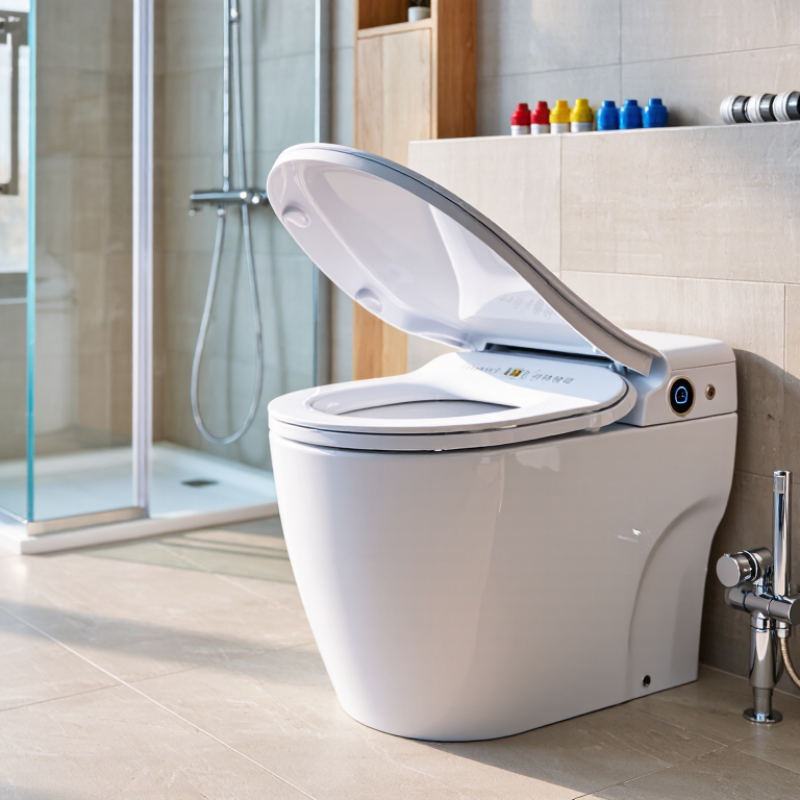
What Is a Bidet Toilet and How Does It Work?
A bidet toilet combines a toilet pan, flushing system, and personal washing function in one fixture. Unlike a separate bidet, it needs less bathroom space and keeps the cleaning process near the toilet. When the user activates the wash cycle, a retractable nozzle extends beneath the seat. It sprays a controlled stream of clean water toward the washing area. Sensors can detect occupancy and prevent accidental spraying.
Users usually adjust water pressure, temperature, and nozzle position through a side panel or remote control. Some models provide front and rear washing, pulsating flow, heated seats, and warm-air drying. The sequence is simple: wash, rinse, dry, then flush. Clean water matters. The nozzle should retract after use and clean itself between cycles, although this does not replace regular household cleaning.
In practical bathroom use, comfort depends on correct settings and installation. A strong spray is not always better, especially for sensitive users. The toilet normally requires a nearby water shutoff valve and a properly grounded electrical outlet. A qualified installer should check both connections before operation. Filters may reduce sediment, but they cannot solve poor water quality completely. Regularly wiping the seat, nozzle area, and control surfaces improves reliability. The drying function also saves paper, but it may take longer than expected. No setting fits everyone. Small adjustments often make the biggest difference.
2026 Best Bidet Toilet for Global Buyers - What Is a Bidet Toilet and How Does It Work?
A bidet toilet combines toilet functions with a built-in cleansing system. After flushing, an adjustable nozzle sprays clean water for personal hygiene, while many models may also include warm-water control, heated seating, air drying, odor reduction, and automatic flushing.
The chart compares representative flush-volume benchmarks used in global toilet specifications. A US legacy full flush is approximately 6.0 litres, while WaterSense tank-type toilets are limited to 4.8 litres per flush. Common dual-flush systems typically use about 3.0 litres for a reduced flush and 6.0 litres for a full flush. Actual bidet toilet performance depends on the selected model, flushing system, water pressure, and local regulations.
Reference sources: U.S. Environmental Protection Agency WaterSense Specification for Tank-Type Toilets; common 3/6-litre dual-flush standards used in international sanitaryware markets.
Key Features to Compare in the Best Bidet Toilets
For global buyers, the best bidet toilet should match local bathroom conditions, not just offer the most functions.
Check voltage, frequency, plug type, water pressure, and inlet size before comparing comfort features. A suitable model should include clear installation instructions and service support in the destination market. Local certification matters too.
Wash adjustment deserves close attention. Look for adjustable water temperature, pressure, spray position, and nozzle movement. A self-cleaning nozzle can improve daily hygiene, but it still needs periodic manual cleaning.
Heated seats, warm air drying, night lights, and odor control add comfort. Useful, but not essential. Controls should remain simple, with physical buttons or manual operation during power failures. Some touch panels look impressive, yet they may be less practical with wet hands.
Energy use also affects long-term value. Compare standby consumption and eco settings, especially in homes with frequent use. Durable ceramic, accessible filters, and replaceable parts can reduce maintenance problems. A longer warranty helps, but buyers should examine what it actually covers.
I would also test the seat shape and sitting height when possible. Product photos can mislead. One detail is easy to overlook: bathroom space around the toilet. A feature-rich unit may feel cramped in a small room. The best choice balances hygiene, comfort, repairability, and regional compatibility.
Installation, Plumbing, Electrical, and Maintenance Requirements
For global buyers in 2026, a bidet toilet is not simply a bathroom fixture. Installation begins with accurate measurements: rough-in distance, bowl clearance, door swing, and floor level. I have seen projects fail because the water inlet sat 30 millimeters too close to the wall. Check local plumbing rules before ordering. Some homes need a shutoff valve, a pressure regulator, or a different connector. Do not trust a product diagram alone. Field conditions often disagree.
Plumbing requires clean, potable water and a protected supply line. A plumber should test flow, leaks, and backflow protection before the seat is secured. Drain alignment matters. Even a small offset can cause odor or slow discharge. Electrical planning deserves equal care. Use a grounded, residual-current-protected outlet rated for bathroom use. Keep cords away from wet zones, and never rely on an extension cable. Voltage and frequency must match the destination supply. Adapters are not always safe.
Maintenance is practical, not glamorous. Clean the nozzle, filter, sensor area, and hinges according to the service instructions. Replace filters when flow weakens, not only when they look dirty. Inspect seals after installation and again after seasonal temperature changes. I once ignored a minor drip; the cabinet below absorbed it quietly. That mistake was avoidable. Keep installation records, serial data, and local service contacts. A small access panel can save hours later. Also, leave enough room to remove the unit without breaking tile.
Global Buying Checklist for Quality, Compliance, and Value
2026 Best Bidet Toilet for Global Buyers
Global Buying Checklist for Quality, Compliance, and Value
A global buyer should inspect the complete system, not only the ceramic bowl. The WHO/UNICEF Joint Monitoring Programme reported that 3.5 billion people lacked safely managed sanitation in 2022. This highlights the value of hygienic, water-efficient products, especially in dense housing and water-stressed regions. However, local plumbing conditions can change the buying decision.
Check voltage, frequency, plug type, inlet size, water pressure, and drainage compatibility. Request electrical safety and electromagnetic compatibility test reports from ISO/IEC 17025-accredited laboratories. Confirm protection against moisture near heated seats and control panels. Materials should resist stains, cleaning chemicals, and repeated temperature changes. A glossy panel proves little. Ask for test conditions.
Water use deserves careful comparison. The U.S. Environmental Protection Agency states that WaterSense-labeled toilets use at least 20% less water than standard models. Treat that figure as a benchmark, not automatic proof. Compare flush volume, bidet flow, drying performance, and standby power. Request independent measurements. Small differences matter across hotels, apartments, and public facilities.
Compliance also includes documentation. Check destination-specific certification, labeling, warranty terms, spare-part availability, and repair instructions. A low purchase price may conceal expensive voltage converters, unavailable cartridges, or difficult returns. I would sample units before a full order. Inspect seals, hinges, nozzle movement, and packaging corners. Procurement is never perfectly predictable. That is where honest risk review matters.